
Cord Care
Medically reviewed by Drugs.com. Last updated on Sep 1, 2024.
What is cord care?
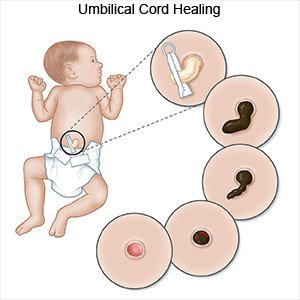
Cord care is how to care for your baby's umbilical cord stump. Before your baby is born, the umbilical cord brings nutrition and oxygen to him or her and removes waste. After birth, your baby does not need the umbilical cord anymore. Healthcare providers cut off all but a small part (stump) of the umbilical cord. The stump dries and falls off in about 7 to 21 days, leaving a belly button.
What do I need to know about my baby's cord stump?
Your baby's cord will feel cool and look blue-white right after he or she is born. After it is clamped, it will start to dry and turn yellow-brown. It will become hard, and there may be some sticky wetness at the bottom of the stump. The stump will soon dry out, turn black, and fall off. It is normal for the stump to stay on longer if your baby was premature. You may also see a few drops of blood around the stump as it begins to fall off.
 |
Why is cord care important?
Cord care helps prevent infection around your baby's cord stump. Very rarely, these infections can enter your baby's body and cause severe or even life-threatening disease.
How do I care for my baby's cord?
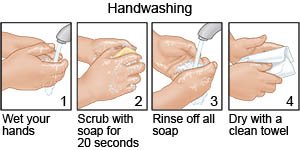
- Wash your hands. Use soap and water. Wash your hands before and after you clean the stump.
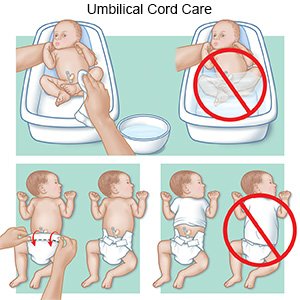
- Clean the cord stump. Gently wash the cord stump and the skin around it with mild soap and warm water during every bath. Gently pat the stump dry after your baby's bath.
- Use rubbing alcohol or water. Your baby's healthcare provider may suggest you use rubbing alcohol or water and a cotton swab to clean the stump. Gently wipe from the base to the top of the stump with a cotton swab dampened with rubbing alcohol or water. Clean the stump with each diaper change.
- Clean urine or bowel movement off the stump. If your baby's stump gets dirty from urine or bowel movement, wash it off right away with water. Gently pat the stump dry after you clean it.
- Let the cord air dry. After diaper changes or stump cleaning, fold the front of the diaper down below the cord stump to let it air dry.
- Dress your baby in loose clothing. Loose-fitting clothes will help the stump dry out faster.
- Do not pull or tug at the cord stump. The stump will fall off on its own.
- Do not cover the cord stump. If you want to use a bellyband on your baby, use only clean, dry gauze.
 |
When should I seek immediate care?
- Your baby is less active than usual, is not eating well, and has a fever.
- The skin around your baby's umbilical stump feels hard or thick.
- The skin on your baby's abdomen looks bruised.
- Your baby is having problems swallowing.
- Your baby's neck, shoulders, back, or abdomen feels stiff, or your baby cries when touched.
When should I call my baby's doctor?
- The skin around the base of your baby's cord stump looks red or swollen.
- You see yellow or green discharge around the base of the stump.
- Your baby's stump smells bad, even after you clean it.
- Your baby's cord stump has not fallen off after 21 days.
- You see fluid leaking from a pink or red scar on your baby's belly button after the stump comes off.
- You have questions or concerns about umbilical cord care.
Care Agreement
You have the right to help plan your baby's care. Learn about your baby's health condition and how it may be treated. Discuss treatment options with your baby's healthcare providers to decide what care you want for your baby. The above information is an educational aid only. It is not intended as medical advice for individual conditions or treatments. Talk to your doctor, nurse or pharmacist before following any medical regimen to see if it is safe and effective for you.© Copyright Merative 2024 Information is for End User's use only and may not be sold, redistributed or otherwise used for commercial purposes.
Further information
Always consult your healthcare provider to ensure the information displayed on this page applies to your personal circumstances.