
Constipation in Children
Medically reviewed by Drugs.com. Last updated on Sep 1, 2024.
Constipation means your child has hard, dry bowel movements or goes longer than usual in between bowel movements.
DISCHARGE INSTRUCTIONS:
Return to the emergency department if:
- You see blood in your child's diaper or bowel movement.
- Your child's abdomen is swollen.
- Your child does not want to eat or drink.
- Your child has severe abdomen or rectal pain.
- Your child is vomiting.
Call your child's doctor if:
- Your child does not have regular bowel movements, even after treatment.
- It has been longer than usual between your child's bowel movements.
- Your child has bowel movements that are hard or painful to pass.
- Your child has an upset stomach.
- You have any questions or concerns about your child's condition or care.
Medicines:
- Medicine such as a laxative may help relax and loosen your child's intestines to help him or her have a bowel movement. Your child's healthcare provider can tell you the best laxative for your child. Use a laxative made specifically for your child's age and symptoms. Adult laxatives may be too strong for your child. Your provider may recommend your child only use laxatives for a short time. Long-term use can damage your child's bowel function over time.
- Give your child's medicine as directed. Contact your child's healthcare provider if you think the medicine is not working as expected. Tell the provider if your child is allergic to any medicine. Keep a current list of the medicines, vitamins, and herbs your child takes. Include the amounts, and when, how, and why they are taken. Bring the list or the medicines in their containers to follow-up visits. Carry your child's medicine list with you in case of an emergency.
Relieve your child's constipation:
Medicines can help your child have a bowel movement more easily. Medicines may increase moisture in your child's bowel movement or increase the motion of his or her intestines.
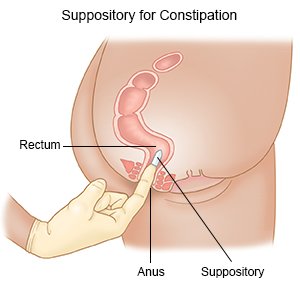
- A suppository may be used to help soften your child's bowel movements. This may make them easier to pass. A suppository is guided into your child's rectum through his or her anus.
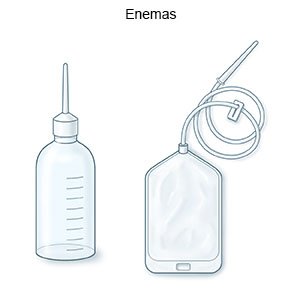
- An enema is liquid medicine used to clear bowel movement from your child's rectum. The medicine is put into your child's rectum through his or her anus.
Treatment options
The following list of medications are related to or used in the treatment of this condition.
Help manage your child's constipation:
- Give your child liquids as directed. Liquids help keep your child's bowel movements soft. Ask how much liquid to give your child each day and which liquids are best for him or her. Your child may need to drink more liquids than usual. Limit sports drinks, soda, and other drinks that contain caffeine.
- Feed your child a variety of high-fiber foods. This may help decrease constipation by adding bulk and softness to your child's bowel movements. High-fiber foods include fruit, vegetables, whole-grain breads and cereals, and beans. Depending on your child's age, his or her provider may also recommend a fiber supplement.

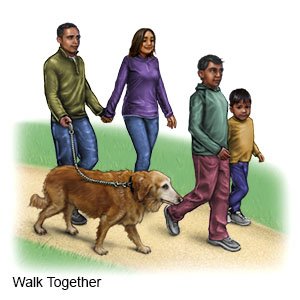
- Help your child be active. Regular physical activity can help stimulate your child's intestines. Ask about the best exercise plan for your child.
- Set up a regular time each day for your child to have a bowel movement. This may help train your child's body to have regular bowel movements. Help him or her to sit on the toilet for at least 10 minutes. Do this even if he or she does not have a bowel movement. Do not pressure your young child to have a bowel movement.
- Give your child a warm bath. A warm bath at least 1 time each day can help relax his or her rectum. This can make it easier for him or her to have a bowel movement.
Follow up with your child's doctor as directed:
Write down your questions so you remember to ask them during your child's visits.
© Copyright Merative 2024 Information is for End User's use only and may not be sold, redistributed or otherwise used for commercial purposes.
The above information is an educational aid only. It is not intended as medical advice for individual conditions or treatments. Talk to your doctor, nurse or pharmacist before following any medical regimen to see if it is safe and effective for you.
Learn more about Constipation
Treatment options
Care guides
Medicine.com guides (external)
Further information
Always consult your healthcare provider to ensure the information displayed on this page applies to your personal circumstances.