
Chronic Kidney Disease
Medically reviewed by Drugs.com. Last updated on Apr 2, 2024.
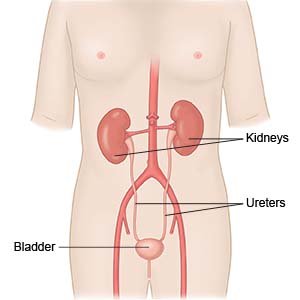
Chronic kidney disease (CKD) is the gradual and permanent loss of kidney function. It is also called chronic kidney failure, or chronic renal insufficiency. Normally, the kidneys remove fluid, chemicals, and waste from your blood. These wastes are turned into urine by your kidneys. CKD may worsen over time and lead to kidney failure. Your CKD team will help you and your family plan for your care at home. The team will help you create goals and find ways to meet your goals. Your care plan may change over time as your needs change.
 |
WHILE YOU ARE HERE:
Informed consent
is a legal document that explains the tests, treatments, or procedures that you may need. Informed consent means you understand what will be done and can make decisions about what you want. You give your permission when you sign the consent form. You can have someone sign this form for you if you are not able to sign it. You have the right to understand your medical care in words you know. Before you sign the consent form, understand the risks and benefits of what will be done. Make sure all your questions are answered.
Nutrition:
Your meal plan may include foods low in sodium (salt), potassium, phosphorus, or protein.
Intake and output:
Healthcare providers will keep track of the amount of liquid you are receiving each day. They also may need to know how much you are urinating.
Weight:
You may be weighed each day. Healthcare providers will compare your weight from day to day to see how much fluid you are gaining or losing.
Medicines:
- Blood pressure medicine helps lower your blood pressure and protect your kidneys.
- Diuretics help your body get rid of extra fluid and lower your blood pressure. You may urinate more often when you take this medicine.
- Erythropoietin treats or prevents anemia if your kidneys do not make enough. Erythropoietin is a chemical that helps your body make red blood cells.
Tests:
- Blood and urine tests show how well your kidneys are working. They may also show the cause of your CKD.
- An ultrasound, CT, or MRI may show the cause of your CKD. You may be given contrast liquid to help your kidneys show up better in the pictures. Tell the healthcare provider if you have ever had an allergic reaction to contrast liquid. Do not enter the MRI room with anything metal. Metal can cause serious injury. Tell the healthcare provider if you have any metal in or on your body.
- A biopsy is a procedure to remove a small piece of tissue from your kidney. It is done to find the cause of your CKD.
Treatment:
- Dialysis is a treatment to remove chemicals and waste from your blood when kidneys can no longer do this.
- Surgery may be needed to create an arteriovenous fistula (AVF) in your arm or insert a catheter into your abdomen. This is done so you can receive dialysis.
- A kidney transplant may be done if your CKD becomes severe.
Treatment options
The following list of medications are related to or used in the treatment of this condition.
RISKS:
CKD may increase your risk for bleeding and infections. It may cause anemia (low number of red blood cells) or problems with your bones. CKD may increase your risk for heart disease. Without treatment, CKD can become life-threatening.
CARE AGREEMENT:
You have the right to help plan your care. Learn about your health condition and how it may be treated. Discuss treatment options with your healthcare providers to decide what care you want to receive. You always have the right to refuse treatment.© Copyright Merative 2024 Information is for End User's use only and may not be sold, redistributed or otherwise used for commercial purposes.
The above information is an educational aid only. It is not intended as medical advice for individual conditions or treatments. Talk to your doctor, nurse or pharmacist before following any medical regimen to see if it is safe and effective for you.
Learn more about Chronic Kidney Disease
Treatment options
Care guides
Further information
Always consult your healthcare provider to ensure the information displayed on this page applies to your personal circumstances.
