
Breastfeeding and your Diet
Medically reviewed by Drugs.com. Last updated on Sep 1, 2024.
A healthy diet is a meal plan that provides the amount of calories and nutrients you need while you are breastfeeding. Your body needs extra calories and nutrients to keep you healthy and support milk production.
DISCHARGE INSTRUCTIONS:
Contact your healthcare provider if:
- You lose weight very quickly.
- You are following a special diet and think you may need a supplement.
- You have signs of dehydration, such as dark urine or a decrease in urination.
Contact your baby's healthcare provider if:
- Your baby has a rash or changes in his skin.
- Your baby vomits a large amount after he is breastfed.
- Your baby has green bowel movements with blood or mucus.
- Your baby is 4 or more days old and has fewer than 6 wet diapers each day.
- Your baby is 4 or more days old and has fewer than 3 to 4 bowel movements each day.
Guidelines to follow while you are breastfeeding:
- Eat a variety of healthy foods from all the food groups. Healthy foods include vegetables, fruits, lean meats, fish, low-fat dairy products, whole-grain breads, and cooked beans.
- Increase your calories. During breastfeeding, your body needs about 500 extra calories per day. You may want to try eating smaller meals more often throughout the day to meet your needs. A dietitian can tell you how many total calories you need to eat each day and help you create a healthy meal plan.
- Drink plenty of liquids. You need about 8 to 12 cups of liquid each day to prevent dehydration and keep up your milk supply. Drink liquids throughout the day. Also drink a beverage each time you breastfeed. Drink liquids that do not contain caffeine, such as water, juice, and milk.
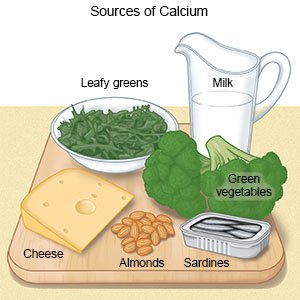
- Get enough calcium and vitamin D. Breastfeeding women who are 19 years or older need 1,000 milligrams (mg) of calcium each day. Those who are younger than 18 years need 1,300 mg of calcium each day. You can get calcium from dairy foods such as milk, yogurt, and cheese. Sunlight helps your body make vitamin D. Women who are not exposed to the sun very much may have low vitamin D levels. While you are breastfeeding, you should get 5 micrograms of vitamin D each day. Fish oil is a good source of vitamin D. Milk and other foods are also fortified with vitamin D. Talk to your healthcare provider about supplements if you do not eat foods with calcium and you do not get much sunlight.
- Get enough nutrients if you are on a special diet. Women who do not eat certain foods may not get enough of some nutrients. For example, women who follow a vegan diet do not eat animal products, such as meat, eggs, and dairy products. Animal products provide important nutrients, such as protein and vitamin B12. You may not be able eat dairy products if you are lactose intolerant. Dairy products are high in calcium and vitamin D. Talk to your healthcare provider if you follow a special diet and think you may need a supplement.
Effect of foods on your baby:
The food you eat usually will not affect your baby. Most women find they can eat any type of food without causing a problem for their baby. If you think something you ate affected your baby, do not eat the food that may have caused the problem. Talk to your baby's healthcare provider if you think your baby has a food allergy or sensitivity. If your baby does have a food allergy, you can still breastfeed.
What to avoid or limit while you are breastfeeding:
- Limit or avoid alcohol. Alcohol passes from your breast milk to your baby. If you choose to drink alcohol, breastfeed your baby before you drink the alcohol. Do not breastfeed your baby for at least 2 hours after you have 1 drink. One drink of alcohol is 12 ounces of beer, 4 ounces of wine, or 1½ ounces of liquor.
- Limit caffeine. Caffeine can pass into your breast milk. Caffeine is found in coffee, tea, some sodas, energy drinks, and chocolate. Ask your healthcare provider how much caffeine you can have each day.
- Ask about herbal teas and supplements. You may need to limit or avoid certain herbal teas or supplements. Talk to your healthcare provider about the types of herbal teas and supplements that are safe for you to have.
- Limit fish that contain mercury. Mercury is found in almost all types of fish and shellfish. Each week, you may eat up to 12 ounces of fish or shellfish that have low levels of mercury. These include shrimp, canned light tuna, salmon, pollock, and catfish. Eat only 6 ounces of albacore (white) tuna per week. Albacore tuna has more mercury than canned tuna. Do not eat shark, swordfish, king mackerel, or tilefish.
Weight loss and breastfeeding:
You may lose weight naturally by following a healthy diet while you are breastfeeding. This can happen because your body needs more calories while you are breastfeeding. This weight loss may not happen for all women. If you want to lose weight, do not cut down your calories too much or lose weight too quickly. This may cause you to decrease your milk supply or decrease your levels of certain nutrients. Most women can safely lose up to 2 pounds a week without affecting their milk supply or health.
For more information about breastfeeding:
- La Leche League International
957 North Plum Grove Road
Schaumburg , IL 60173
Phone: 1- 847 - 519-7730
Phone: 1- 800 - 525-3243
Web Address: http://www.lalecheleague.org
Follow up with your doctor as directed:
Write down your questions so you remember to ask them during your visits.
© Copyright Merative 2024 Information is for End User's use only and may not be sold, redistributed or otherwise used for commercial purposes.
The above information is an educational aid only. It is not intended as medical advice for individual conditions or treatments. Talk to your doctor, nurse or pharmacist before following any medical regimen to see if it is safe and effective for you.
Further information
Always consult your healthcare provider to ensure the information displayed on this page applies to your personal circumstances.