
Brainstem Infarction
Medically reviewed by Drugs.com. Last updated on Sep 1, 2024.
What is a brainstem infarction (BSI)?
A BSI is a stroke that happens when blood cannot flow to your brainstem. The lack of oxygen to the area damages brain tissue. Your brainstem controls your ability to speak, hear, and swallow. It also controls your breathing, heartbeat, blood pressure, balance, and eye movements.
What causes a BSI?
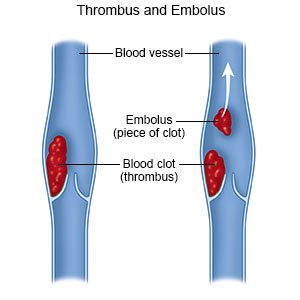
- An ischemic stroke happens when blood is suddenly blocked and cannot flow to your brain. The block is usually caused by a blood clot that gets stuck in a narrow blood vessel. Most brainstem strokes are ischemic strokes.
- A hemorrhagic stroke happens when a blood vessel in your brain bursts. This may happen if the blood vessel wall is weak, or if a blood clot gets stuck. Blood then flows out of the vessel and damages brain tissue.
 |
What increases my risk for a BSI?
- Being 55 years or older, or male
- A family history of stroke
- A medical condition such as hypertension, diabetes, heart disease, or atrial fibrillation
- Use of tobacco or alcohol
- Obesity, a metabolic disorder, or lack of physical activity
- Sleep apnea
- Use of birth control pills or hormone replacement medicine
- An injury
What are the signs and symptoms of a BSI?
Signs and symptoms depend on where in your brainstem the stroke happened, and if it was ischemic or hemorrhagic. You may have any of the following:
- Dizziness, loss of balance, or trouble walking
- Muscle weakness, tremors, or twitches
- Nausea or vomiting, trouble swallowing, or a change in how food tastes
- Slurred speech or trouble speaking
- Blurred or double vision, or eye pain
- Numb or weak areas, such as your face
- Drowsiness or unconsciousness, or a change in sleep patterns
- Jerky eye movements, eyes stuck in 1 position, or pupils that are not the same size
- Sudden headache or hearing loss
- Not being able to feel pain or temperature changes
How is a BSI diagnosed?
Your healthcare provider will ask about your signs and symptoms and when they began. Your provider will ask about your medicines and if you drink alcohol or use street drugs. Your provider will also look for signs that your brainstem was injured. You may need any of the following tests to help your provider learn if you have had a stroke, or if you will soon have one:
- CT or MRI pictures may show blood flow blockage in your brain that may cause a stroke. The pictures can also show bleeding or damage if you already had a stroke. You may be given contrast liquid to help any bleeding or damage show up better in the pictures. Tell the healthcare provider if you have ever had an allergic reaction to contrast liquid. Do not enter the MRI room with metal. Metal can cause serious injury. Tell the healthcare provider if you have any metal in or on your body.
- Arteriography is a type of x-ray used to check your arteries for blood flow blockage and bleeding.
How is a BSI treated?
Treatment depends on what caused your stroke, and your signs and symptoms. Healthcare providers will check your breathing, blood pressure, temperature, and ability to swallow. You may need any of the following:
- Medicines will depend on the type of stroke you had. You may need medicine to improve your blood's ability to clot and stop the bleeding. You may instead need medicine to break up blood clots, or to prevent them from forming. You may also need this type of medicine after bleeding is controlled, to prevent a clot from forming. You may also need medicine to lower a fever, treat diabetes or high cholesterol, or prevent seizures. Medicine may be given to keep your blood pressure at a certain level if it is too high or too low.
- Rehabilitation (rehab) is an important part of treatment. Physical therapists help strengthen your arms, legs, and hands. You may learn exercises to improve your balance and movement to decrease your risk for falling. Occupational therapists teach you new ways to do daily activities, such as getting dressed. A speech therapist helps you relearn or improve your ability to talk and swallow.
- A ventilator may be used to give you oxygen through a tube. The tube is put into your airway through your nose, mouth, or an incision in your neck.
- Surgery may be used to place a tube in your skull. The tube drains fluid and checks the pressure in your brain. Surgery may be used to stop any bleeding in your brain or remove leaked blood. You may need a filter placed in your blood vessel to prevent a blood clot in your leg from traveling to other areas.
Treatment options
The following list of medications are related to or used in the treatment of this condition.
What do I need to know about depression after a stroke?
Talk to your healthcare provider if you have depression that continues or is getting worse. Your provider may be able to help treat your depression. Your provider can also recommend support groups for you to join. A support group is a place to talk with others who have had a stroke. It may also help to talk to friends and family members about how you are feeling. Tell your family and friends to let your healthcare provider know if they see any signs of depression:
- Extreme sadness
- Avoiding social interaction with family or friends
- A lack of interest in things you once enjoyed
- Irritability
- Trouble sleeping
- Low energy levels
- A change in eating habits or sudden weight gain or loss
How can I prevent a BSI?
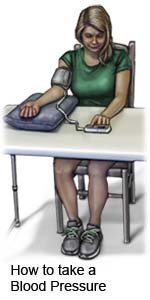
- Manage health conditions that can lead to a stroke. High blood pressure, diabetes, and high cholesterol all increase your risk for stroke. Take your medicines as directed. Follow your healthcare provider's instructions to check your blood pressure and blood sugar levels. Write the numbers down to show your provider.
- Eat healthy foods. What you eat can help prevent or manage high blood pressure, high cholesterol, and diabetes. Eat foods that are low in fat, cholesterol, salt, and sugar. Eat at least 5 servings of fruits and vegetables each day. Include foods that are high in potassium, such as potatoes and bananas.

- Reach or stay at a healthy weight. Weight loss can decrease your blood pressure and your risk for stroke. Ask your healthcare provider what a healthy weight is for you. Your provider can help you create a safe weight-loss plan, if needed. Ask which exercises you should do. You will need to exercise carefully after a stroke so you do not fall.
- Limit or do not drink alcohol as directed. Men should limit alcohol to 2 drinks per day. Women should limit alcohol to 1 drink per day. A drink of alcohol is 12 ounces of beer, 5 ounces of wine, or 1½ ounces of liquor.
- Do not use street drugs or smoke cigarettes. Your risk for stroke increases if you use drugs such as cocaine, or you smoke cigarettes. Ask your healthcare provider for help if you are having trouble quitting.
Where can I find support and more information?
- American Stroke Association
Phone: 1- 888 - 478-7653
Web Address: http://www.stroke.org
What are the warning signs of a stroke?
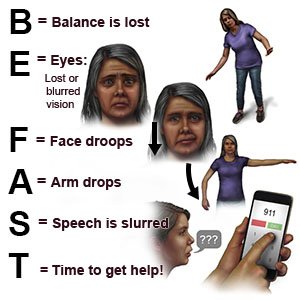
The words BE FAST can help you remember and recognize warning signs of a stroke:
- B = Balance: Sudden loss of balance
- E = Eyes: Loss of vision in one or both eyes
- F = Face: Face droops on one side
- A = Arms: Arm drops when both arms are raised
- S = Speech: Speech is slurred or sounds different
- T = Time: Time to get help immediately
 |
Call your local emergency number (911 in the US) or have someone call if:
- You have any of the following signs of a stroke:
- Numbness or drooping on one side of your face
- Weakness in an arm or leg
- Confusion or difficulty speaking
- Dizziness, a severe headache, or vision loss
- You have a seizure.
- You suddenly feel dizzy, lightheaded, and have shortness of breath.
- You have chest pain. You may have more pain when you take a deep breath or cough. You may cough up blood.
When should I seek immediate care?
- Your arm or leg feels warm, tender, and painful. It may look swollen and red.
When should I call my doctor?
- Your blood pressure is higher or lower than you were told it should be.
- You have skin tears, or sores on your heels, head, or buttocks from lying in bed.
- You have bowel movement problems.
- You have questions or concerns about your condition or care.
Care Agreement
You have the right to help plan your care. Learn about your health condition and how it may be treated. Discuss treatment options with your healthcare providers to decide what care you want to receive. You always have the right to refuse treatment. The above information is an educational aid only. It is not intended as medical advice for individual conditions or treatments. Talk to your doctor, nurse or pharmacist before following any medical regimen to see if it is safe and effective for you.© Copyright Merative 2024 Information is for End User's use only and may not be sold, redistributed or otherwise used for commercial purposes.
Learn more about Brainstem Infarction
Treatment options
Care guides
Further information
Always consult your healthcare provider to ensure the information displayed on this page applies to your personal circumstances.