
Bacterial Meningitis in Children
Medically reviewed by Drugs.com. Last updated on Sep 1, 2024.
What is bacterial meningitis?
Bacterial meningitis is inflammation of the lining that surrounds and protects your child's brain and spinal cord. The inflammation is caused by a bacterial infection and can be life-threatening.
What increases my child's risk for bacterial meningitis?
The bacteria are found in the mouth, throat, or nose. They are spread from an infected person to another by coughing, kissing, or sharing food or drinks. It can also spread from an ear, nose, throat, sinus, or brain infection. A head injury or head surgery may also spread the infection.
What are the signs and symptoms of bacterial meningitis?
Any of the following may develop within hours or days:
- A severe headache, stiff neck, and a fever
- Neck pain
- Nausea or vomiting
- Red or purple rash
- Eye pain when your child looks into bright lights
- Sleepiness or confusion
How is bacterial meningitis diagnosed?
Your child's healthcare provider will examine your child and ask about his or her signs and symptoms. Tell him or her if your child was recently around anyone who has bacterial meningitis. Your child may also need any of the following:
- Blood tests are used to check for the bacteria that cause meningitis.
- CT or MRI pictures may show signs of infection. Your child may be given contrast liquid to help the pictures show up better. Tell the healthcare provider if your child has ever had an allergic reaction to contrast liquid. Do not let your child enter the MRI room with anything metal. Metal can cause serious injury. Tell the healthcare provider if your child has any metal in or on his or her body.
- A lumbar puncture, or spinal tap, is a procedure used to take a sample of fluid that surrounds your child's spinal cord. Your child's healthcare provider will insert a needle into his or her spine. The fluid will be taken through the needle. The fluid will be tested for the bacteria that cause meningitis.
- A throat culture is a test that may help find the type of germ causing your child's illness. A throat culture is done by rubbing a cotton swab against the back of the throat.
How is bacterial meningitis treated?
- Antibiotics help treat a bacterial infection.
- Steroids decrease redness, pain, and swelling.
- Seizure medicine helps prevent or control seizures.
- Acetaminophen decreases pain and fever. It is available without a doctor's order. Ask how much to give your child and how often to give it. Follow directions. Read the labels of all other medicines your child uses to see if they also contain acetaminophen, or ask your child's doctor or pharmacist. Acetaminophen can cause liver damage if not taken correctly.
- NSAIDs , such as ibuprofen, help decrease swelling, pain, and fever. This medicine is available with or without a doctor's order. NSAIDs can cause stomach bleeding or kidney problems in certain people. If your child takes blood thinner medicine, always ask if NSAIDs are safe for him or her. Always read the medicine label and follow directions. Do not give these medicines to children younger than 6 months without direction from a healthcare provider.
Treatment options
The following list of medications are related to or used in the treatment of this condition.
How can I manage my child's symptoms?
- Help your child rest as much as possible. A dark, quiet room may help if he or she has headaches. Talk to your child's healthcare provider about when your child can return to school or daycare.
- Give your child liquids as directed. Your child may need extra liquids to help prevent dehydration. Ask how much liquid to give your child each day and which liquids are best for him or her.
How can I help prevent bacterial meningitis?
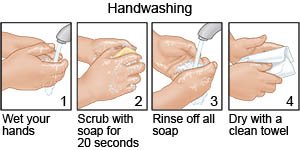
- Wash your and your child's hands often. Use soap and water every time. Teach your child how to wash his or her hands. Rub your soapy hands together, lacing your fingers. Wash the front and back of your hands, and in between your fingers. Use the fingers of one hand to scrub under the fingernails of the other hand. Wash for at least 20 seconds. Rinse with warm, running water for several seconds. Then dry your hands with a clean towel or paper towel. Use hand sanitizer that contains alcohol if soap and water are not available. Do not touch your eyes, nose, or mouth without washing your hands first.
- Do not let your child share items. Examples include toys, food, and drinks.
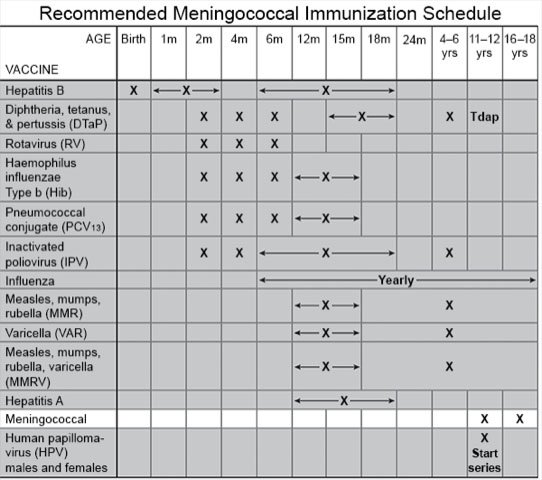
- Ask about vaccines your child may need. Vaccines help protect your child and others around him or her from diseases caused by infection. Your child should get the meningitis vaccine at scheduled ages. He or she should also get a yearly flu vaccine as soon as recommended, usually starting in September or October. Your child's healthcare provider can tell you other vaccines your child should get and when to get them.
Call your local emergency number (911 in the US) if:
- Your child is hard to wake.
- Your child has a seizure.
When should I seek immediate care?
- Your child has a headache, fever, and stiff neck.
- Your child is confused.
- Your child says he or she has trouble seeing or hearing.
- Your child has a red or purple skin rash.
When should I call my child's doctor?
- Your child has a fever.
- Your child is more fussy or sleepy than usual.
- You have questions or concerns about your child's condition or care.
Care Agreement
You have the right to help plan your child's care. Learn about your child's health condition and how it may be treated. Discuss treatment options with your child's healthcare providers to decide what care you want for your child. The above information is an educational aid only. It is not intended as medical advice for individual conditions or treatments. Talk to your doctor, nurse or pharmacist before following any medical regimen to see if it is safe and effective for you.© Copyright Merative 2024 Information is for End User's use only and may not be sold, redistributed or otherwise used for commercial purposes.
Learn more about Bacterial Meningitis
Treatment options
Care guides
Symptoms and treatments
Further information
Always consult your healthcare provider to ensure the information displayed on this page applies to your personal circumstances.