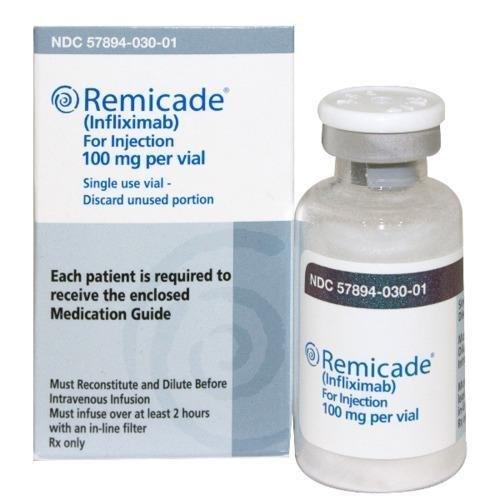
Infliximab
Pronunciation: in-flix-ih-mab
Generic name: infliximab
Brand names: Avsola, Inflectra, Ixifi, Remicade, Renflexis, Zymfentra
Dosage form: injection for intravenous infusion
Drug classes: Antirheumatics, TNF alfa inhibitors
What is infliximab?
Infliximab (brand names Avsola, Inflectra, Remicade, and others) reduces inflammation and may be used to treat autoimmune conditions such as Crohn's disease, ulcerative colitis, rheumatoid arthritis, psoriatic arthritis, severe plaque psoriasis, and ankylosing spondylitis.
Infliximab infusion is a monoclonal antibody that targets TNF-alpha. The mechanism of action of infliximab is to bind to and neutralize tumor necrosis factor-alpha (TNF-alpha), a key inflammatory protein involved in autoimmune diseases. By inhibiting TNF-alpha, infliximab helps reduce inflammation and its associated symptoms.
Infliximab first gained FDA approval on August 24, 1998, under the brand Remicade. Since then, 4 biosimilars have been approved for Remicade, and one other product, Zymfentra, is similar to Remicade but can be injected under the skin, so isn't considered a biosimilar. The 4 biosimilars to Remicade are:
- Infliximab-ABDA (brand name Renflexis)
- Infliximab-AXXQ (brand name Avsola)
- Infliximab-DYYB (brand name Inflectra)
- Infliximab-QBTX (brand name Ixifi).
A biosimilar is a biological product that is similar to a reference biologic (usually the originally approved product) and for which there are no clinically meaningful differences in terms of safety, purity, and potency.
Infliximab uses
Infliximab is a prescription medicine given by IV infusion that may be used to treat certain autoimmune diseases characterized by inflammation. Specifically, infliximab infusion is FDA-approved for:
- Crohn’s Disease in adults and children 6 years and older who have not responded well to other medicines
- Ulcerative Colitis (UC) in adults and children 6 years and older with moderately to severely active UC who have not responded well to other medicines
- Rheumatoid Arthritis (RA) in adults with moderately to severely active RA along with the medicine methotrexate
- Ankylosing spondylitis (AS) in adults
- Psoriatic arthritis (PA) in adults
- Plaque psoriasis in adults that is chronic (does not go away), severe, extensive, and/or disabling.
It is not known if infliximab is safe and effective in children under 6 years of age with Crohn's disease or UC, or in children and adolescents under 18 years of age with RA, AS, PA, or plaque psoriasis.
Infliximab side effects
The most common side effects of infliximab infusion are:
- respiratory infections, such as sinus infections and sore throat
- coughing
- stomach pain
- headache
- infusion reactions. These can happen up to 2 hours after an infliximab infusion. Symptoms may include fever, shortness of breath, chills, rash, chest pain, itching, low or high blood pressure.
Side effects of infliximab infusion in children
The most common side effects reported in children who have received infliximab infusion for Crohn’s disease include:
- anemia (low red blood cells)
- leukopenia (low white blood cells)
- flushing (redness or blushing)
- viral infections
- neutropenia (low neutrophils, the white blood cells that fight infection)
- bone fracture
- bacterial infection
- allergic reactions of the breathing tract.
In addition, more infections were also reported in children who received infliximab for ulcerative colitis.
Serious side effects and warnings
Infliximab carries a Boxed Warning for serious infections and cancer.
Serious infections. Infliximab affects your immune system and some patients, especially those 65 years and older have had serious infections while receiving infliximab infusion. These serious infections include TB and infections caused by viruses, fungi, or bacteria that have spread throughout the body or cause infections in certain areas (such as the skin). Some patients die from these infections. If you get an infection while receiving treatment with infliximab your doctor will treat your infection and may need to stop your infliximab treatment.
Tell your doctor right away if you have any of the following signs of an infection while receiving or after receiving infliximab:
- a fever
- have flu-like symptoms
- feel very tired
- warm, red, or painful skin
- have a cough.
Your doctor will examine you for TB and perform a test to see if you have TB. If your doctor feels that you are at risk for TB, you may be treated with medicine for TB before you begin treatment with infliximab and during treatment with infliximab.
- Even if your TB test is negative, your doctor should carefully monitor you for TB infections while you are receiving infliximab.
- Patients who had a negative TB skin test before receiving infliximab have developed active TB.
If you are a chronic carrier of the hepatitis B virus, the virus can become active while you are being treated with infliximab. In some cases, patients have died as a result of the hepatitis B virus being reactivated. Your doctor should do a blood test for hepatitis B virus before you start treatment with infliximab and occasionally while you are being treated. Tell your doctor if you have any of the following symptoms:
- feel unwell
- tiredness (fatigue)
- poor appetite
- fever, skin rash, or joint pain
Risk of Cancer. Infliximab may increase your risk of developing certain types of cancer, including a rare fast-growing type of lymphoma (called hepatosplenic T-cell lymphoma) that can be fatal. Skin cancers are also more common in people being treated with infliximab. Call your doctor if you notice any changes in the appearance of your skin. People at higher risk of developing cancer with infliximab include those with Chronic Obstructive Pulmonary Disease (COPD) and women over the age of 60 being treated for RA (an increased risk for cervical cancer).
Infliximab can cause other serious side effects, including the following.
Heart Failure. If you have a heart problem called congestive heart failure, your doctor should check you closely while you are receiving infliximab. Your congestive heart failure may get worse while you are receiving infliximab. Be sure to tell your doctor of any new or worse symptoms including shortness of breath, sudden weight gain, or swelling of ankles or feet. Treatment with infliximab may need to be stopped if you get new or worse congestive heart failure.
Other Heart Problems. Some patients have experienced a heart attack (some of which led to death), low blood flow to the heart, or abnormal heart rhythm within 24 hours of beginning their infliximab infusion. Symptoms may include chest discomfort or pain, arm pain, stomach pain, shortness of breath, anxiety, lightheadedness, dizziness, fainting, sweating, nausea, vomiting, fluttering or pounding in your chest,
and/or a fast or slow heartbeat. Tell your doctor right away if you have any of these symptoms.
Liver Injury. Serious liver problems have been reported with infliximab infusion, some cases required liver transplantation or were fatal. Tell your doctor if you have:
- jaundice (skin and eyes turning yellow)
- fever
- dark brown-colored urine
- extreme tiredness (severe fatigue)
- pain on the right side of your stomach area (right-sided abdominal pain)
Blood Problems. In some patients receiving infliximab, the body may not make enough of the blood cells that help fight infections or help stop bleeding. Tell your doctor if you have a fever that does not go away, look very pale, bruise or bleed very easily.
Nervous System Disorders. Some patients receiving infliximab have developed problems with their nervous system. Tell your doctor if you have:
- changes in your vision
- seizures
- numbness or tingling in any part of your body
- weakness in your arms or legs.
Some patients have experienced a stroke within approximately 24 hours of their infliximab infusion. Tell your doctor right away if you have symptoms of a stroke which may include numbness or weakness of the face, arm, or leg, especially on one side of the body; sudden confusion, trouble speaking or understanding; sudden trouble seeing in one or both eyes, sudden trouble walking, dizziness, loss of balance or coordination or a sudden, severe headache.
Allergic Reactions. Some patients have had allergic reactions to their infliximab infusion. Some of these reactions were severe. These reactions can happen while you are getting your infliximab treatment or shortly afterward. Your doctor may need to stop or pause your treatment with infliximab and may give you medicines to treat the allergic reaction. Get emergency medical help if you have signs of an allergic reaction:
- hives (red, raised, itchy patches of skin)
- high or low blood pressure
- difficulty breathing
- fever
- chest pain
- chills
- swelling of your face, lips, tongue, or throat.
Some patients treated with infliximab have had delayed allergic reactions. The delayed reactions occurred 3 to 12 days after receiving treatment with infliximab. Tell your doctor right away if you have any of these signs of delayed allergic reaction to infliximab infusion such as fever, muscle or joint pain, rash, swelling of the face and hands, headache, difficulty swallowing, or a sore throat.
Lupus-like Syndrome. Some patients have developed symptoms that are like the symptoms of Lupus. If you develop any of the following symptoms, your doctor may decide to stop your treatment with infliximab:
- chest discomfort or pain that does not go away
- joint pain
- shortness of breath
- rash on the cheeks or arms that gets worse in the sun.
Infusion reactions. Some side effects may occur during the injection. Tell your caregiver if you feel dizzy, nauseated, light-headed, itchy, tingly, short of breath, or have a headache, fever, chills, muscle or joint pain, pain or tightness in your throat, chest pain, or trouble swallowing during the injection. Infusion reactions may also occur within 1 or 2 hours after injection.
Psoriasis. Some people receiving infliximab had new psoriasis or worsening of psoriasis they already had. Tell your doctor if you develop red scaly patches or raised bumps on the skin that are filled with pus. Your doctor may decide to stop your treatment with infliximab.
This is not a complete list of side effects and others may occur. Call your doctor for medical advice about side effects. You may report side effects to the FDA at 1-800-FDA-1088.
Before taking this medicine
You should not be treated with infliximab if you are allergic to infliximab, Avsola, Inflectra, Ixifi, Remicade, Renflexis, Zymfentra, or any components of your infliximab infusion.
Before starting infliximab, tell your healthcare provider about all your medical conditions, including if you:
- are being treated for an infection, have TB or hepatitis B, or have been in close contact with someone with TB or hepatitis B
- have signs of an infection, such as a fever, cough, flu-like symptoms
- have any open cuts or sores on your body
- have cancer
- have diabetes, COPD, heart problems, liver problems, or an immune system problem
- have a nerve-muscle disorder, such as multiple sclerosis or Guillain-Barré syndrome
- have numbness or tingling anywhere in your body
- live or have lived in certain parts of the country (such as the Ohio and Mississippi River valleys) where there is an increased risk of getting certain kinds of fungal infections (histoplasmosis, coccidioidomycosis, or blastomycosis). These infections may develop or become more severe if you receive infliximab. If you do not know if you have lived in an area where histoplasmosis, coccidioidomycosis, or blastomycosis is common, ask your doctor
- use or have used other biologics such as anakinra, abatacept, or tocilizumab to treat the same condition
- phototherapy for psoriasis
- seizures
- vaccination with BCG (Bacille Calmette-Guérin) or if you are scheduled to receive any vaccines
- are pregnant or intending to become pregnant
- are breastfeeding or intending to breastfeed.
Make sure your child has received all their routine childhood vaccinations before starting infliximab. Infliximab is not for use in children younger than 6 years old.
Pregnancy
If you use infliximab while you are pregnant, make sure any doctor caring for your new baby knows that you used the medicine during pregnancy. Being exposed to infliximab in the womb could affect your baby's vaccination schedule during the first 6 months of life.
Breastfeeding
You should not breastfeed while you are receiving infliximab.
How will I receive infliximab?
Infliximab is given through a needle placed in a vein (IV or intravenous infusion) in your arm.
Your healthcare provider may decide to give you medicine before starting the infliximab infusion to prevent or lessen side effects.
- Only a healthcare professional should prepare the medicine and administer it to you.
- Infliximab will be given to you over about 2 hours.
- Your doctor will determine the right dose of infliximab for you and how often you should receive it. Make sure to discuss with your doctor when you will receive infusions and to come in for all your infusions and follow-up appointments.
If you have side effects from infliximab, the infusion may need to be adjusted or stopped. In addition, your healthcare professional may decide to treat your symptoms.
- A healthcare professional will monitor you during the infliximab infusion and for a period of time afterward for side effects. Your doctor may do certain tests while you are receiving infliximab to monitor you for side effects and to see how well you respond to the treatment.
If you need surgery, tell the surgeon ahead of time that you are using infliximab.
What happens if I miss a dose?
Call your doctor for instructions if you miss an appointment for your infliximab injection.
What happens if I overdose?
An overdose is unlikely as infliximab is given by a healthcare provider.
What should I avoid while receiving infliximab?
Do not take infliximab together with medicines such as Kineret (anakinra), Orencia (abatacept), Actemra (tocilizumab), or other medicines called biologics that are used to treat the same conditions as infliximab. Avoid activities that may increase your risk of bleeding injury.
Do not receive a "live" vaccine while using infliximab, or you could develop a serious infection. Live vaccines include measles, mumps, rubella (MMR), polio, rotavirus, typhoid, yellow fever, varicella (chickenpox), and zoster (shingles).
What other drugs will affect infliximab?
Some medications may affect how infliximab works or increase the risk of side effects. Tell your doctor about all your other medicines, especially:
- abatacept
- anakinra
- tocilizumab
- any "biologic" medications you take such as adalimumab, certolizumab, etanercept, golimumab, natalizumab, rituximab, and others; or
- any other medicines to treat Crohn's disease, ulcerative colitis, rheumatoid arthritis, ankylosing spondylitis, psoriatic arthritis, or psoriasis
- live vaccines, such as measles, mumps, rubella (MMR), polio, rotavirus, typhoid, yellow fever, varicella (chickenpox), and zoster (shingles).
This list is not complete. Other drugs may affect infliximab, including prescription and over-the-counter medicines, vitamins, and herbal products. Not all possible drug interactions are listed here.
Ingredients
Ingredients vary depending on which infliximab biosimilar is being administered to you. See the Package Insert for the particular infliximab infusion you have been prescribed. An example is given below for Remicade.
Remicade ingredients
Active ingredient: infliximab 100 mg
Inactive: dibasic sodium phosphate dihydrate, monobasic sodium phosphate monohydrate,
polysorbate 80, and sucrose. No preservatives are present.
Storage
Your healthcare provider will store unopened infliximab vials in a refrigerator at 2°C to 8°C (36°F to 46°F).
If needed, unopened infliximab vials may be stored at room temperatures up to a maximum of 30°C (86°F) for a single period of up to 6 months but not exceeding the original expiration date. The new expiration date must be written in the space provided on the carton. Once removed from the refrigerator, infliximab cannot be returned to the refrigerator.
Once reconstituted, the infliximab infusion should begin within 3 hours of reconstitution and dilution.
Who makes infliximab?
The following manufacturers make infliximab or infliximab biosimilars:
- Janssen Biotech, Inc. makes the Remicade brand of infliximab
- Samsung Bioepis makes the Renflexis brand of infliximab-ABDA
- Amgen makes the Avsola brand of infliximab-AXXQ
- Celltrion, Inc. a division of Pfizer Inc., makes the Inflectra brand of infliximab-DYYB.
- Pfizer Inc. also makes the Ixifi brand of infliximab-QBTX.
Popular FAQ
What is the mechanism of action of infliximab?
Infliximab works by binding specifically to a protein called TNF-α (tumor necrosis factor-alpha), which is released by white blood cells as part of our body’s immune response to infection or foreign substances. Overproduction of TNF-α can cause inflammation which can damage tissues, bones, and cartilage, and also cell death. When infliximab binds to TNF-α, it blocks its effects, and this reduces inflammation. Increased levels of TNF-alfa have been found in conditions such as rheumatoid arthritis, psoriasis, and ankylosing spondylitis. Continue reading
What is the difference between Inflectra and Remicade?
Inflectra (infliximab-dyyb) is a biosimilar to Remicade (infliximab). They belong to the same class of drugs called tumor necrosis factor (TNF) alfa inhibitors. Inflectra can be prescribed for the same uses as Remicade, including rheumatoid arthritis, Crohn’s disease, ankylosing spondylitis, ulcerative colitis, psoriatic arthritis, and plaque psoriasis. Continue reading
What is the difference between Renflexis and Remicade?
Renflexis (infliximab-abda) is a tumor necrosis factor (TNF) blocker that is biosimilar to Remicade (infliximab). A biosimilar has no clinically meaningful differences in terms of safety and effectiveness from the reference product.
Renflexis is given as an intravenous (IV) infusion similar to Remicade, and is used for the same conditions, including rheumatoid arthritis, Crohn's disease and psoriatic arthritis. Biosimilars may lead to cost-savings due to a lower price and are preferred by some insurance companies. Continue reading
More FAQ
- What are the new drugs for rheumatoid arthritis (RA)?
- What are the new drugs for plaque psoriasis?
- How many biosimilars have been approved in the United States?
- What is the difference between Ixifi and Remicade?
More about infliximab
- Check interactions
- Compare alternatives
- Pricing & coupons
- Reviews (288)
- Side effects
- Dosage information
- During pregnancy
- Drug class: antirheumatics
- Breastfeeding
- En español
Patient resources
- Infliximab-abda advanced reading
- Infliximab-axxq (Advanced Reading)
- Infliximab-dyyb (Advanced Reading)
- Infliximab-qbtx (Advanced Reading)
- InFLIXimab-abda
Other brands
Remicade, Inflectra, Avsola, Renflexis, ... +2 more
Professional resources
Other brands
Remicade, Inflectra, Avsola, Renflexis, Zymfentra
Related treatment guides
Further information
Always consult your healthcare provider to ensure the information displayed on this page applies to your personal circumstances.