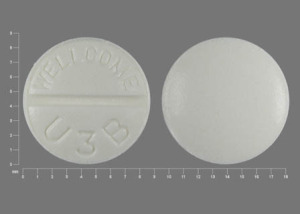
Tabloid Side Effects
Generic name: thioguanine
Medically reviewed by Drugs.com. Last updated on Jun 6, 2024.
Note: This document provides detailed information about Tabloid Side Effects associated with thioguanine. Some dosage forms listed on this page may not apply specifically to the brand name Tabloid.
Applies to thioguanine: oral tablet.
Serious side effects of Tabloid
Along with its needed effects, thioguanine (the active ingredient contained in Tabloid) may cause some unwanted effects. Although not all of these side effects may occur, if they do occur they may need medical attention.
Check with your doctor immediately if any of the following side effects occur while taking thioguanine:
More common
- black, tarry stools
- blood in the urine or stools
- chills
- cough
- fever
- hoarseness
- joint pain, stiffness, or swelling
- lower back, side, or stomach pain
- painful or difficult urination
- pinpoint red spots on the skin
- swelling of the feet or lower legs
- unusual bleeding or bruising
Incidence not known
- bloody, black, or tarry stools
- decrease in the amount of urine
- heartburn
- indigestion
- nausea
- noisy, rattling breathing
- right upper abdominal pain and fullness
- severe stomach pain, cramping, or burning
- stomach bloating
- swelling of the fingers or hands
- trouble breathing
- troubled breathing at rest
- vomiting of material that looks like coffee grounds, severe and continuing
- weight gain
- yellow eyes or skin
Get emergency help immediately if any of the following symptoms of overdose occur while taking thioguanine:
Symptoms of overdose
- blurred vision
- cloudy urine
- confusion
- dizziness, faintness, or lightheadedness when getting up suddenly from a lying or sitting position
- dry mouth
- general feeling of discomfort or illness
- increased sweating
- unusual tiredness or weakness
- vomiting
Other side effects of Tabloid
Some side effects of thioguanine may occur that usually do not need medical attention. These side effects may go away during treatment as your body adjusts to the medicine. Also, your health care professional may be able to tell you about ways to prevent or reduce some of these side effects.
Check with your health care professional if any of the following side effects continue or are bothersome or if you have any questions about them:
Less common
- loss of appetite
- swelling or inflammation of the mouth
- weight loss
For healthcare professionals
Applies to thioguanine: oral tablet.
Hematologic
- Very common (10% or more): Bone marrow failure, splenomegaly, thrombocytopenia
- Frequency not reported: Agranulocytosis[Ref]
Gastrointestinal
- Very common (10% or more): Varices esophageal
- Common (1% to 10%): Stomatitis, nausea, vomiting, diarrhea, anorexia
- Rare (less than 0.1%): Necrotizing colitis, perforation[Ref]
Hepatic
- Very common (10% or more): Veno-occlusive liver disease, hyperbilirubinemia, hepatomegaly, portal hypertension, hepatic enzymes increased, blood alkaline phosphatase increased, gamma glutamyltransferase increased, jaundice, portal fibrosis, nodular regenerative hyperplasia, peliosis hepatitis
- Common (1% to 10%): Veno-occlusive liver disease
- Rare (less than 0.1%): Hepatic necrosis
Renal
- Common (1% to 10%): Hyperuricemia, hyperuricosuria, urate nephropathy[Ref]
Dermatologic
- Frequency not reported: Photosensitivity[Ref]
Immunologic
- Frequency not reported: Transient treatment-related megaloblastic marrow changes[Ref]
Metabolic
- Very common (10% or more): Weight increased (due to fluid retention and ascites)
- Common (1% to 10%): Hyperuricemia[Ref]
Genitourinary
- Common (1% to 10%): Urate nephropathy[Ref]
References
1. (2001) "Product Information. Tabloid (thioguanine)." Prasco Laboratories
More about Tabloid (thioguanine)
- Check interactions
- Compare alternatives
- Pricing & coupons
- Drug images
- Latest FDA alerts (1)
- Dosage information
- During pregnancy
- Drug class: antimetabolites
- Breastfeeding
- En español
Patient resources
Professional resources
Related treatment guides
Further information
Tabloid side effects can vary depending on the individual. Always consult your healthcare provider to ensure the information displayed on this page applies to your personal circumstances.
Some side effects may not be reported. You may report them to the FDA.