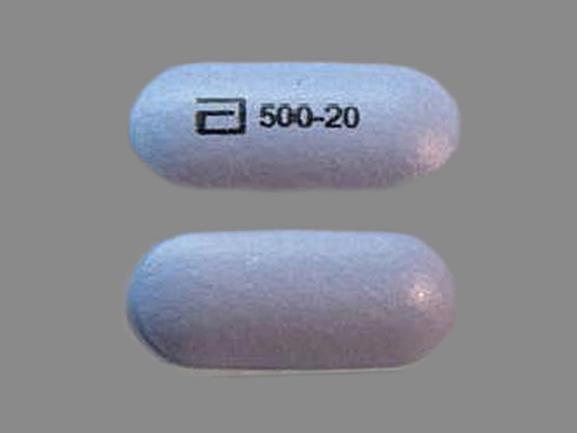
Simcor Side Effects
Generic name: niacin / simvastatin
Medically reviewed by Drugs.com. Last updated on Nov 5, 2023.
Note: This document contains side effect information about niacin / simvastatin. Some dosage forms listed on this page may not apply to the brand name Simcor.
Applies to niacin / simvastatin: oral tablet extended release.
Warning
You should not take this medication if you are allergic to niacin or simvastatin, or if you have liver disease, stomach ulcer, or severe bleeding.
Do not use niacin and simvastatin if you are pregnant.
Do not breast-feed while using this medicine.
The following drugs should not be used while you are taking niacin and simvastatin: cyclosporine, danazol, nefazodone, gemfibrozil; clarithromycin, erythromycin, telithromycin; fluconazole, itraconazole, ketoconazole, posaconazole; amiodarone, diltiazem, verapamil; boceprevir, telaprevir; atazanavir, cobicistat, darunavir, delavirdine, fosamprenavir, indinavir, nelfinavir, ritonavir, saquinavir, or tipranavir.
Get emergency medical help if you have any of these signs of an allergic reaction while taking niacin / simvastatin: hives; difficulty breathing; swelling of your face, lips, tongue, or throat.
In rare cases, simvastatin can cause a condition that results in the breakdown of skeletal muscle tissue, leading to kidney failure. Call your doctor right away if you have unexplained muscle pain, tenderness, or weakness especially if you also have fever, unusual tiredness, and dark colored urine.
Stop taking niacin and simvastatin and call your doctor at once if you have:
-
confusion, memory problems;
-
swelling, weight gain, little or no urinating;
-
liver problems--nausea, upper stomach pain, itching, tired feeling, loss of appetite, dark urine, clay-colored stools, jaundice (yellowing of the skin or eyes); or
-
high blood sugar--increased thirst, increased urination, hunger, dry mouth, fruity breath odor, drowsiness, dry skin, blurred vision, weight loss.
Common side effects may include:
-
headache;
-
back pain;
-
nausea, diarrhea;
-
flushing (warmth, redness, or tingly feeling); or
-
mild itching.
This is not a complete list of side effects and others may occur. Call your doctor for medical advice about side effects.
For Healthcare Professionals
Applies to niacin / simvastatin: oral tablet extended release.
General
Niacin-simvastatin treatment was discontinued by 14% of patients in a controlled clinical trial due to an adverse event. Flushing episodes (including warmth, redness, itching, and/or tingling) were the most common side effects reported by patients using niacin-simvastatin.
Musculoskeletal
Musculoskeletal side effects have included back pain (3.2%), myopathy, and rhabdomyolysis have been associated with simvastatin therapy. The risk of myopathy/rhabdomyolysis is dose related and is increased by concomitant use of simvastatin with potent Inhibitors of CYP450 3A4, as well as cyclosporine or danazol, particularly with higher doses of simvastatin.[Ref]
Hepatic
Liver function tests should be performed before treatment begins, every 12 weeks for the first 6 months, and periodically thereafter (e.g., at approximately 6-month intervals). Patients who develop increased transaminase levels should be monitored with a second liver function evaluation to confirm the finding and be followed thereafter with frequent liver function tests until the abnormality returns to normal. If a persistent increase in transaminase levels is seen (e.g., three times the upper limit of normal), or if transaminase elevations are associated with symptoms of nausea, fever, and/or malaise, withdrawal of niacin-simvastatin therapy is recommended.[Ref]
Severe hepatic toxicity has occurred in patients substituting sustained-release niacin for immediate-release niacin at equivalent doses. In addition, persistent elevations in hepatic transaminase can occur during niacin-simvastatin therapy.[Ref]
Dermatologic
Dermatologic side effects including flushing (59%) and pruritus (3.2%) were reported in patients receiving the combination niacin-simvastatin product. Flushing episodes have also been associated with niacin monotherapy (in up to 88% of patients).[Ref]
Other
Other side effects including headache (4.5%) and back pain (3.2%) have been associated with the combination niacin-simvastatin product.[Ref]
Gastrointestinal
Gastrointestinal side effects associated with administration of the combination product have included nausea (3.2%) and diarrhea (3%). Diarrhea has also been associated with each of the individual components of the drug. Abdominal pain, constipation, and flatulence have also been associated with simvastatin monotherapy, while nausea and dyspepsia have been associated with niacin monotherapy.[Ref]
Respiratory
Respiratory side effects including upper respiratory infection and rhinitis have been associated with simvastatin and niacin, respectively.[Ref]
Metabolic
Metabolic side effects including increased serum glucose levels have been associated with niacin therapy. Therefore, glucose levels should be closely monitored in diabetic or potentially diabetic patients particularly during the first few months of use.[Ref]
Hypersensitivity
Hypersensitivity side effects associated with simvastatin including one or more of the following features reported postmarketing have included: anaphylaxis, angioedema, lupus erythematous-like syndrome, vasculitis, purpura, thrombocytopenia, leucopenia, hemolytic anemia, positive ANA, ESR increase, eosinophilia, arthritis, photosensitivity, chills, toxic epidermal necrolysis, erythema multiforme, Stevens-Johnson syndrome, urticaria, fever, dyspnea, and arthralgia; pancreatitis, hepatitis, hepatic failure, pruritus, cataracts, polymyositis, dermatomyositis, polymyalgia rheumatica, global amnesia, tendon rupture, peripheral neuropathy, memory impairment, erectile dysfunction, depression, interstitial lung disease, alopecia, a variety of skin changes (e.g., nodules, discoloration, dryness of skin/mucous membranes, changes to hair/nails), muscle cramps, vomiting, malaise.
Hypersensitivity side effects associated with niacin including one or more of the following features reported postmarketing have included: anaphylaxis, dyspnea, angioedema, tongue edema, larynx edema, face edema, laryngismus; tachycardia, atrial fibrillation, other cardiac arrhythmias, palpitations, hypotension, postural hypotension, dizziness, syncope, flushing, burning sensation/skin burning sensation, paresthesia, urticaria, vesiculobullous rash, maculopapular rash, sweating, dry skin, skin discoloration, blurred vision, macular edema, myalgia, myopathy, peptic ulcers, eructation, flatulence, hepatitis, jaundice, peripheral edema, asthenia, nervousness, insomnia, migraine, gout, and decreased glucose tolerance.
Psychiatric
Psychiatric side effects reported postmarketing have included cognitive impairment (e.g., memory loss, forgetfulness, amnesia, memory impairment, confusion) associated with statin use. These cognitive issues have been reported for all statins. The reports are generally nonserious, and reversible upon statin discontinuation, with variable times to symptom onset (1 day to years) and symptom resolution (median of 3 weeks).
More about Simcor (niacin / simvastatin)
- Check interactions
- Compare alternatives
- Reviews (8)
- Drug images
- Dosage information
- During pregnancy
- FDA approval history
- Drug class: antihyperlipidemic combinations
Patient resources
Professional resources
Related treatment guides
References
1. Product Information. Simcor (niacin-simvastatin). Abbott Pharmaceutical. 2008.
Further information
Always consult your healthcare provider to ensure the information displayed on this page applies to your personal circumstances.
Some side effects may not be reported. You may report them to the FDA.