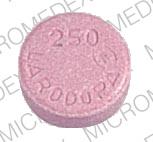
Larodopa Side Effects
Generic name: levodopa
Medically reviewed by Drugs.com. Last updated on Aug 21, 2024.
Note: This document provides detailed information about Larodopa Side Effects associated with levodopa. Some dosage forms listed on this page may not apply specifically to the brand name Larodopa.
Applies to levodopa: inhalation capsule.
Serious side effects of Larodopa
Along with its needed effects, levodopa (the active ingredient contained in Larodopa) may cause some unwanted effects. Although not all of these side effects may occur, if they do occur they may need medical attention.
Check with your doctor immediately if any of the following side effects occur while taking levodopa:
More common
Less common
- blurred vision
- chest pain or discomfort
- confusion
- cough producing mucus
- dizziness, faintness, or lightheadedness when getting up suddenly from a lying or sitting position
- muscle aches
- sneezing
- sweating
- tightness in the chest
- twitching, twisting, uncontrolled repetitive movements of the tongue, lips, face, arms, or legs
Other side effects of Larodopa
Some side effects of levodopa may occur that usually do not need medical attention. These side effects may go away during treatment as your body adjusts to the medicine. Also, your health care professional may be able to tell you about ways to prevent or reduce some of these side effects.
Check with your health care professional if any of the following side effects continue or are bothersome or if you have any questions about them:
Less common
For healthcare professionals
Applies to levodopa: compounding powder, inhalation capsule, oral capsule, oral tablet.
General
The more commonly occurring adverse reactions have included cough, nausea, upper respiratory tract infection, and discolored sputum.[Ref]
Respiratory
- Very common (10% or more): Cough (15%)
- Common (1% to 10%): Discolored sputum, nasal discharge discoloration, oropharyngeal pain, upper respiratory tract infection, nasopharyngitis, bronchitis/pneumonia
In a crossover clinical study in subjects with mild or moderate asthma on a stable regimen of asthma medication (n=25), patients received orally inhaled drug 84 mg every 4 hours for a total of 3 doses and placebo. Cough was reported by 60% of subjects following drug administration compared with 0% following placebo. Ten subjects (40%) had temporary FEV1 reductions from baseline (between 15% and 59%), and 4 of these subjects also had a reduction in FEV1 following placebo. Subjects with a reduction in FEV1 remained asymptomatic and did not require rescue treatment.
Nervous system
- Common (1% to 10%): Dyskinesia, headache
- Frequency not reported: Falling asleep during activities of daily living, somnolence
Gastrointestinal
- Common (1% to 10%): Nausea, vomiting
Psychiatric
- Common (1% to 10%): Insomnia
- Frequency not reported: Hallucinations
During clinical trials, hallucinations were reported in less than 2% of patients receiving orally inhaled levodopa.
Cardiovascular
- Common (1% to 10%): Chest discomfort, orthostatic hypotension/blood pressure decreased
Dermatologic
- Common (1% to 10%): Laceration, skin abrasion
Dermatologic
Hepatic
- Common (1% to 10%): Increased blood bilirubin
Musculoskeletal
- Common (1% to 10%): Extremity pain
Other
- Common (1% to 10%): Fall
Hematologic
- Common (1% to 10%): Decreased red blood cell count
Other
Fever, altered consciousness, autonomic dysfunction and muscle rigidity are the hallmarks of the neuroleptic malignant syndrome. The neuroleptic malignant syndrome (NMS) is associated with a case fatality rate of about 20%. If withdrawal of dopaminergic therapy is suspected as the cause of NMS, dopaminergic therapy should be restarted. If a neuroleptic agent is suspected as the cause, the neuroleptic agent should be immediately discontinued. For patients with NMS suspected to be due to neuroleptic therapy, consideration should be given to dantrolene (or bromocriptine) administration. Intensive monitoring and supportive care are indicated for all patients with NMS.
References
1. (2019) "Product Information. Inbrija (levodopa)." Acorda Therapeutics
Frequently asked questions
- How long does it take carbidopa levodopa to work?
- How often should carbidopa/levodopa be taken?
- Can carbidopa/levodopa cause high blood pressure?
- How does it help Parkinson's disease?
- How much does Inbrija cost?
- When is the best time to take Ongentys?
- What foods should be avoided when taking levodopa?
- What is the difference between carbidopa, levodopa, and Rytary?
More about Larodopa (levodopa)
- Check interactions
- Compare alternatives
- Drug images
- Dosage information
- During pregnancy
- Drug class: dopaminergic antiparkinsonism agents
- Breastfeeding
Patient resources
Other brands
Professional resources
Other brands
Related treatment guides
Further information
Larodopa side effects can vary depending on the individual. Always consult your healthcare provider to ensure the information displayed on this page applies to your personal circumstances.
Some side effects may not be reported. You may report them to the FDA.