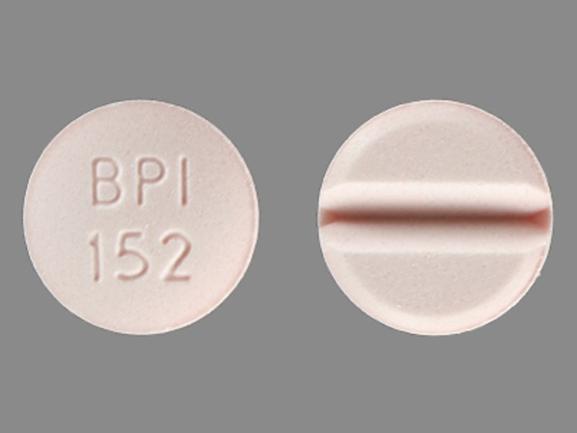
Isordil Titradose Side Effects
Generic name: isosorbide dinitrate
Medically reviewed by Drugs.com. Last updated on May 15, 2024.
Note: This document provides detailed information about Isordil Titradose Side Effects associated with isosorbide dinitrate. Some dosage forms listed on this page may not apply specifically to the brand name Isordil Titradose.
Applies to isosorbide dinitrate: capsule extended release, tablet, tablet extended release.
Serious side effects of Isordil Titradose
Along with its needed effects, isosorbide dinitrate (the active ingredient contained in Isordil Titradose) may cause some unwanted effects. Although not all of these side effects may occur, if they do occur they may need medical attention.
Check with your doctor immediately if any of the following side effects occur while taking isosorbide dinitrate:
Rare
- bluish-colored lips, fingernails, or palms
- dark urine
- difficulty with breathing
- dizziness or lightheadedness
- fever
- headache
- pale skin
- rapid heart rate
- sore throat
- unusual bleeding or bruising
- unusual tiredness or weakness
Incidence not known
- arm, back, or jaw pain
- blurred vision
- chest pain or discomfort
- chest tightness or heaviness
- confusion
- dizziness, faintness, or lightheadedness when getting up suddenly from a lying or sitting position
- fainting
- fast or irregular heartbeat
- sweating
Get emergency help immediately if any of the following symptoms of overdose occur while taking isosorbide dinitrate:
Symptoms of overdose
- blurred or loss of vision
- bulging soft spot on the head of an infant
- change in consciousness
- change in the ability to see colors, especially blue or yellow
- cold, clammy skin
- convulsions
- disturbed color perception
- double vision
- fast, irregular, pounding, or racing heartbeat or pulse
- feeling of constant movement of self or surroundings
- halos around lights
- headache, severe and throbbing
- increased sweating
- loss of appetite
- loss of consciousness
- nausea
- night blindness
- overbright appearance of lights
- paralysis
- sensation of spinning
- slow heartbeat
- tunnel vision
- vomiting
For healthcare professionals
Applies to isosorbide dinitrate: oral capsule extended release, oral tablet, oral tablet chewable, oral tablet extended release, sublingual tablet.
General
The most common side effect was headache.[Ref]
Nervous system
Cardiovascular
- Common (1% to 10%): Decrease in blood pressure and/or orthostatic hypotension with reflex tachycardia and symptoms/signs of cerebral ischemia (including drowsiness and dizziness and weakness) with first time use and when the dose is increased
- Uncommon (0.1% to 1%): Marked decreases in blood pressure with an aggravation of symptomatic angina pectoris, collapse associated with bradycardia and cardiac rhythm disturbances
- Frequency not reported: Pallor, crescendo angina, rebound hypertension, hypotension[Ref]
Other
- Common (1% to 10%): Peripheral edema in patients treated for left ventricular failure[Ref]
Dermatologic
- Uncommon (0.1% to 1%): Allergic skin reactions
- Very rare (less than 0.01%): Exfoliative dermatitis/Stevens-Johnson Syndrome or angioedema
- Frequency not reported: Cutaneous vasodilation with flushing, excessive perspiration, rash[Ref]
Gastrointestinal
- Uncommon (0.1% to 1%): Nausea and vomiting
- Frequency not reported: Heartburn[Ref]
Endocrine
- Very rare (less than 0.01%): Pituitary apoplexy in patients with undiagnosed pituitary tumors[Ref]
Ocular
Respiratory
- Very rare (less than 0.01%): Alveolar hypoventilation with consequent hypoxemia and the risk of developing a myocardial infarction in patients with coronary heart disease[Ref]
Hematologic
- Frequency not reported: Methemoglobinemia, hemolytic anemia in patients with glucose-6-phosphate dehydrogenase-deficient syndrome[Ref]
Psychiatric
- Frequency not reported: Restlessness[Ref]
References
1. (2002) "Product Information. Isordil (isosorbide dinitrate)." Wyeth-Ayerst Laboratories
2. Cerner Multum, Inc. "UK Summary of Product Characteristics."
3. Cerner Multum, Inc. "Australian Product Information."
More about Isordil Titradose (isosorbide dinitrate)
- Check interactions
- Compare alternatives
- Pricing & coupons
- Drug images
- Dosage information
- During pregnancy
- Drug class: antianginal agents
- En español
Patient resources
Other brands
IsoDitrate, Dilatrate-SR, Isochron
Professional resources
Other brands
Related treatment guides
Further information
Isordil Titradose side effects can vary depending on the individual. Always consult your healthcare provider to ensure the information displayed on this page applies to your personal circumstances.
Some side effects may not be reported. You may report them to the FDA.