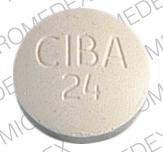
Aminoglutethimide Side Effects
Medically reviewed by Drugs.com. Last updated on May 2, 2024.
Applies to aminoglutethimide: oral tablet.
Warning
Aminoglutethimide should only be administered under the supervision of a qualified healthcare provider experienced with its use and hazards. Treatment should usually begin in a hospital.
Use caution when driving, operating machinery, or performing other hazardous activities. Aminoglutethimide may cause drowsiness and dizziness. If you experience drowsiness or dizziness, avoid these activities.
Use alcohol cautiously. Alcohol may increase the effects of aminoglutethimide.
Aminoglutethimide may stop your body from responding to conditions of stress, such as surgery, injury, or sudden illness. Talk to your doctor about the possible side effects from treatment with aminoglutethimide.
If you experience any of the following serious side effects from aminoglutethimide, contact your doctor immediately:
-
an allergic reaction (including difficulty breathing; closing of the throat; swelling of the lips, tongue, or face; or hives); or
-
fainting or dizziness, especially when standing up.
Other, less serious side effects may be more likely to occur. Continue taking aminoglutethimide and talk to your doctor if you experience:
-
dizziness, drowsiness, poor coordination, or weakness;
-
nausea, vomiting, or loss of appetite;
-
headache; or
-
rash and itching.
Other side effects have also been reported. Discuss with your doctor any side effect that occurs during treatment with aminoglutethimide.
For Healthcare Professionals
Applies to aminoglutethimide: oral tablet.
General
In general, side effects have been reported to have occurred in approximately two-thirds of patients, often limiting the use of the drug. Side effects typically manifest as sedation or lethargy and skin rash.[Ref]
Nervous system
Nervous system side effects have included lethargy (up to 40% incidence), ataxia (up to 10%), malaise, confusion, dizziness, and headache.[Ref]
Somnolence and lethargy are dose-related and are more common early in therapy. Although these effects are usually transient, some patients may require a dosage reduction to alleviate severe lethargy.[Ref]
Dermatologic
Dermatologic side effects have included rash of the morbilliform or maculopapular types in up to 30% of patients, pruritus, petechiae, ecchymoses, urticaria, oral ulcerations, and capillaritis (purpura simplex).[Ref]
Although these rashes are generally mild and transient, they have also occurred in conjunction with more serious side effects, such as cholestatic jaundice and blood dyscrasias. In addition, patients on radiotherapy in close temporal association with aminoglutethimide administration have developed erythema, confluent and plaque-like rashes, and marked desquamation in the areas of radiation exposure.[Ref]
Gastrointestinal
Gastrointestinal side effects have included nausea (14%) and vomiting (3%).[Ref]
Hematologic
Hematologic side effects have included thrombocytopenia, leukopenia, eosinophilia, pancytopenia, and agranulocytosis.[Ref]
In a multicenter analysis involving 1,233 patients treated with aminoglutethimide, 0.9% of patients developed hematologic toxicity. Thrombocytopenia and/or leukopenia were noted. One patient with marrow aplasia developed septicemia and died.
Additional cases of fatal thrombocytopenia and fatal agranulocytosis have been reported, although most patients recover with discontinuation of aminoglutethimide and supportive care.[Ref]
Hepatic
Hepatic side effects have included elevations in liver function tests and very rarely, cholestatic jaundice.[Ref]
Elevations in SGOT, SGPT, GGT, alkaline phosphatase, lactate dehydrogenase, and total bilirubin have been reported with the use of aminoglutethimide. Two cases of cholestatic jaundice without evidence of hepatosplenomegaly or hepatic tenderness have also been reported and may be a manifestation of drug hypersensitivity.[Ref]
Respiratory
Respiratory side effects have included an isolated case of diffuse alveolar damage and hemorrhage. A case of pulmonary eosinophilia has also been reported.[Ref]
Cardiovascular
Cardiovascular side effects have included hypotension, orthostatic hypotension, and tachycardia.[Ref]
Because aminoglutethimide may suppress aldosterone production, orthostatic hypotension or persistent hypotension may develop in some patients. Patients should be instructed to report symptoms of hypotension such as weakness or dizziness. The addition of fludrocortisone to the drug regimen may alleviate this side effect in some patients.[Ref]
Endocrine
Endocrine side effects have included hypothyroidism and adrenal insufficiency.[Ref]
The concurrent administration of glucocorticoids is often necessary to help prevent reflex ACTH secretion in response to low cortisol levels. In addition, some patients may require supplementation with fludrocortisone, a mineralocorticoid.
Iatrogenic adrenal insufficiency does not occur in all patients. However, adrenal function should be monitored regularly. In one case report, a patient developed adrenal failure approximately two years after starting an aminoglutethimide/cortisone acetate regimen.[Ref]
Hypersensitivity
Hypersensitivity side effects have included skin rashes, pruritus, and rarely, Stevens-Johnson syndrome.[Ref]
Immunologic
Immunologic side effects have included positive antinuclear antibody and drug-induced systemic lupus erythematosus.[Ref]
Musculoskeletal
Musculoskeletal side effects have included leg cramps and myalgia.[Ref]
Metabolic
Metabolic side effects have included elevations in total cholesterol, low density lipoprotein cholesterol, apoprotein B, and apoprotein C-III. Aminoglutethimide has been reported to decrease thyroid hormone secretion. Hyponatremia may also occur.[Ref]
Aminoglutethimide interferes with the conversion of cholesterol to delta-5-pregnenolone. Consequently, serum cholesterol levels may become elevated. In one study, 68% of patients treated with aminoglutethimide 500 mg per day experienced elevations in total cholesterol and 100% of patients treated with 1000 mg per day experienced this effect. In another study, patients who were normolipidemic at baseline developed elevated GGT in addition to elevated lipoproteins.[Ref]
Other
Other side effects have included malaise, fever, chills, and facial fullness. A case of worsening Meniere's disease has been reported.[Ref]
More about aminoglutethimide
- Check interactions
- Compare alternatives
- Dosage information
- During pregnancy
- Drug class: adrenal corticosteroid inhibitors
Patient resources
Other brands
Related treatment guides
References
1. Product Information. Cytadren (aminoglutethimide). Ciba Self-Medication Inc. 2002;PROD.
2. Coltart RS. Severe mucocutaneous reaction to aminoglutethamide. Br J Radiol. 1984;57:531-2.
3. Demers LM, Boucher AE, Santen RJ. Aminoglutethimide therapy in breast cancer: relationship of blood levels to drug-related side effects. Clin Physiol Biochem. 1987;5:287-91.
4. Rowell NP, Gilmore OJ, Plowman PN. Aminoglutethimide as second-line hormonal therapy in advanced breast cancer: response and toxicity. Hum Toxicol. 1987;6:227-32.
5. Santen RJ, Misbin RI. Aminoglutethimide: review of pharmacology and clinical use. Pharmacotherapy. 1981;1:95-120.
6. Williams DS, Leslie MD. Skin reaction following aminoglutethimide and radiotherapy. Br J Radiol. 1987;60:1226-7.
7. Lawrence B, Santen RJ, Lipton A, Harvey HA, Hamilton R, Mercurio T. Pancytopenia induced by aminoglutethimide in the treatment of breast cancer. Cancer Treat Rep. 1978;62:1581-3.
8. Vanek N, Hortobagyi GN, Buzdar AU. Radiotherapy enhances the toxicity of aminoglutethimide. Med Pediatr Oncol. 1990;18:162-4.
9. Stratakis CA, Chrousos GP. Capillaritis (purpura simplex) associated with use of aminoglutethimide in cushing's syndrome. Am J Hosp Pharm. 1994;51:2589-91.
10. Harris AL, Hughes G, Barrett AJ, Abusrewil S, Dowsett M, Smith IE. Agranulocytosis associated with aminoglutethimide: pharmacological and marrow studies. Br J Cancer. 1986;54:119-22.
11. Kampel LJ, Kurman MR. Severe leukopenia induced by aminoglutethimide. Cancer Treat Rep. 1984;68:1277-8.
12. Kissin MW, Kark AE. Irreversible thrombocytopenia following aminoglutethimide. Cancer Treat Rep. 1983;67:849.
13. Ardman B, Rudders R. Aminoglutethimide-induced thrombocytopenia . Cancer Treat Rep. 1982;66:1785-6.
14. Messeih AA, Lipton A, Santen RJ, Harvey HA, Boucher AE, Murray R, Ragaz J, Buzdar AU, Nagel GA, Henderson IC. Aminoglutethimide-induced hematologic toxicity: worldwide experience. Cancer Treat Rep. 1985;69:1003-4.
15. Perrault DJ, Domovitch E. Aminoglutethimide and cholestasis . Ann Intern Med. 1984;100:160.
16. Bonneterre J, Ghalim N, Nguyen M, Puchois P, Demaille A, Demarquilly C, Fruchart JC. Variations in lipoproteins during aminoglutethimide therapy. Breast Cancer Res Treat. 1987;10:197-200.
17. Rodman DM, Hanley M, Parsons P. Aminoglutethimide, alveolar damage, and hemorrhage . Ann Intern Med. 1986;105:633.
18. Rallison ML, Kumagai LF, Tyler FH. Goitrous hypothyroidism induced by amino-glutethimide, anticonvulsant drug. J Clin Endocrinol Metab. 1967;27:265-72.
19. Davies JP, Bentley P, Ghose RR. Aminoglutethimide-induced hyperkalaemia. Br J Clin Pract. 1989;43:263-4.
20. Figg WD, Thibault A, Sartor AO, Mays D, Headlee D, Calis KA, Cooper MR. Hypothyroidism associated with aminoglutethimide in patients with prostate cancer. Arch Intern Med. 1994;154:1023-5.
21. McCraken M, Benson EA, Hickling P. Systemic lupus erythematosus induced by aminoglutethimide. Br Med J. 1980;281:1254.
22. Box M, Saltissi D, Fawcett D. Inappropriate secretion of antidiuretic hormone following aminoglutethimide therapy. Br J Urol. 1986;58:724-5.
23. Bonneterre J, Nguyen M, Hecquet B, Cappelaere P. Aminoglutethimide-induced hypercholesterolaemia . Lancet. 1984;1:912-3.
24. Bork E, Hansen M. Severe hyponatremia following simultaneous administration of aminoglutethimide and diuretics. Cancer Treat Rep. 1986;70:689-90.
25. Surks MI, Sievert R. Drugs and thyroid function. N Engl J Med. 1995;333:1688-94.
Further information
Always consult your healthcare provider to ensure the information displayed on this page applies to your personal circumstances.
Some side effects may not be reported. You may report them to the FDA.