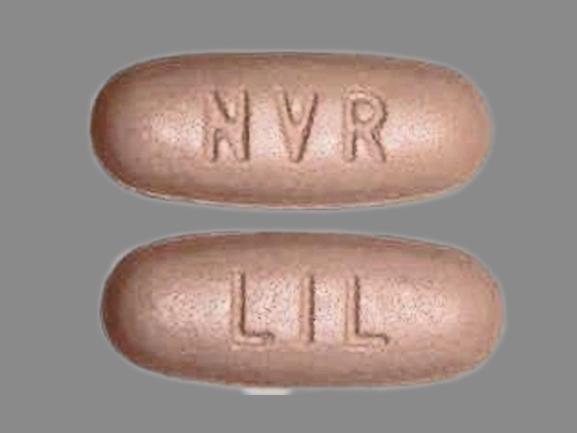
Aliskiren / amlodipine / hydrochlorothiazide Side Effects
Medically reviewed by Drugs.com. Last updated on Jul 16, 2023.
Applies to aliskiren / amlodipine / hydrochlorothiazide: oral tablet.
Warning
You should not use this medicine if you are unable to urinate, or if you are allergic to sulfa drugs.
Do not use if you are pregnant. Stop using and tell your doctor right away if you become pregnant.
If you have diabetes, you should not use this medicine together with certain heart or blood pressure medicines (such as Accupril, Benicar, Capoten, Cozaar, Diovan, Lotensin, Mavik, Prinivil, Vasotec, and many others).
Get emergency medical help if you have any of these signs of an allergic reaction while taking aliskiren/amlodipine/hydrochlorothiazide: hives; vomiting, severe stomach pain; dizziness, difficulty breathing; swelling of your face, lips, tongue, or throat.
Your chest pain may become worse when you first start taking the medicine or when your dose is increased. Tell your doctor if your chest pain is severe or ongoing.
Call your doctor at once if you have:
-
a light-headed feeling, like you might pass out;
-
little or no urinating;
-
eye pain, vision problems;
-
low levels of sodium in the body--headache, confusion, slurred speech, severe weakness, vomiting, loss of coordination, feeling unsteady;
-
high potassium--slow heart rate, weak pulse, muscle weakness, tingly feeling);
-
low potassium--confusion, uneven heart rate, extreme thirst, increased urination, leg discomfort, muscle weakness or limp feeling;
-
lupus-like symptoms--joint pain with fever, skin sores, butterfly-shaped skin rash on your cheeks and nose, numbness or pale appearance of your fingers or toes;
-
liver problems--nausea, upper stomach pain, itching, tired feeling, loss of appetite, dark urine, clay-colored stools, jaundice (yellowing of the skin or eyes); or
-
severe skin reaction--fever, sore throat, swelling in your face or tongue, burning in your eyes, skin pain, followed by a red or purple skin rash that spreads (especially in the face or upper body) and causes blistering and peeling.
Common side effects may include:
-
swelling in your hands, ankles, or feet;
-
headache, dizziness, tired feeling;
-
cough;
-
diarrhea; or
-
cold symptoms such as stuffy nose, sneezing, sore throat.
This is not a complete list of side effects and others may occur. Call your doctor for medical advice about side effects.
For Healthcare Professionals
Applies to aliskiren / amlodipine / hydrochlorothiazide: oral tablet.
Cardiovascular
Aliskiren:
Rare (less than 0.1%): Hypotension
Amlodipine:
Common (1% to 10%): palpitations
Uncommon (0.1% to 1%): Arrhythmia (including ventricular tachycardia and atrial fibrillation), bradycardia, chest pain, hypotension, peripheral ischemia, postural hypotension, tachycardia, vasculitis
Rare (less than 0.1%): Myocardial infarction, angina
Hydrochlorothiazide:
Frequency not reported: Cardiac arrhythmias (including ventricular ectopy and complete AV heart block), hypotension, orthostatic hypotension (more common in the elderly)[Ref]
Dermatologic
Aliskiren:
Common (1% to 10%): Rash
Rare (less than 0.1%): Angioedema (involving the face, hands, or whole body)
Postmarketing reports: Severe cutaneous adverse reactions (including Stevens Johnson syndrome and toxic epidermal necrolysis)
Amlodipine:
Common (1% to 10%): Rash, erythematous rash
Uncommon (0.1% to 1%): Angioedema, erythema multiforme, increased sweating, maculopapular rash, pruritus
Rare (less than 0.1%): Alopecia, dermatitis, skin discoloration, skin dryness, urticaria, lichen planus, telangiectasia
Hydrochlorothiazide:
Rare (less than 0.1%): Erythema annular centrifugum, acute eczematous dermatitis, morbilliform and leukocytoclastic vasculitis, phototoxic dermatitis
Frequency not reported: Subacute cutaneous lupus erythematosus like reaction[Ref]
Endocrine
Amlodipine:
Postmarketing reports: Gynecomastia[Ref]
Gastrointestinal
Aliskiren:
Common (1% to 10%): Diarrhea, abdominal pain, dyspepsia, gastroesophageal reflux (these side effects appear to be dose related)
Postmarketing reports: Nausea, vomiting
Amlodipine:
Common (1% to 10%): Nausea, dysphagia, abdominal pain
Uncommon (0.1% to 1%): Anorexia, constipation, diarrhea, dry mouth, dyspepsia, flatulence, gingival hyperplasia, pancreatitis, vomiting
Rare (less than 0.1%): Gastritis, increased appetite, loose stools, taste perversion, dysgeusia
Hydrochlorothiazide:
Uncommon (0.1% to 1%): Nausea, vomiting, diarrhea[Ref]
Genitourinary
Amlodipine:
Uncommon (0.1% to 1%): Micturition disorder, micturition frequency, nocturia
Rare (less than 0.1%): Dysuria, polyuria[Ref]
Hematologic
Amlodipine:
Uncommon (0.1% to 1%): Leukopenia, purpura, thrombocytopenia
Hydrochlorothiazide:
Rare (less than 0.1%): Immune-complex hemolytic anemia, aplastic anemia, thrombocytopenia[Ref]
Hepatic
Common (1% to 10%): Occasional elevations (greater than 150% from baseline) in ALT (SGPT)
Amlodipine:
Postmarketing reports: Jaundice and hepatic enzyme elevations (mostly consistent with cholestasis or hepatitis)-Some cases were severe enough to require hospitalization
Hydrochlorothiazide:
Rare (less than 0.1%): Interstitial nephritis[Ref]
Hypersensitivity
Aliskiren:
Frequency not reported: Angioedema (face, hands, and body) with or without respiratory symptoms
Postmarketing reports: Angioedema
Amlodipine:
Uncommon (0.1% to 1%): Allergic reaction
Hydrochlorothiazide:
Uncommon (0.1% to 1%): Rash
Rare (less than 0.1%): Anaphylaxis[Ref]
Metabolic
Very rare (less than 0.01%): Hot flushes
Frequency not reported: Edema, peripheral edema
Aliskiren:
Uncommon (0.1% to 1%): Elevated uric acid, gout, renal stones
Postmarketing reports: Peripheral edema, hyponatremia
Uric acid increase greater than 50% from baseline was more commonly observed in patients treated with aliskiren / amlodipine / hydrochlorothiazide (4.7%) compared with the dual combinations (0.4 to 2.8%). Gout was less commonly observed (0.3% in aliskiren / amlodipine / hydrochlorothiazide treated patients) and renal stones were not reported.
Amlodipine:
Uncommon (0.1% to 1%): Hyperglycemia, thirst, weight loss, weight gain
Very rare (less than 0.01%): Acute porphyria exacerbation
Frequency not reported: New-onset diabetes
Hydrochlorothiazide:
Very common (10% or more): Mild hypokalemia (decrease of 0.5 mEq/L) occurs in up to 50% of patients, and may predispose patients to cardiac arrhythmias
Common (1% to 10%): Metabolic alkalosis, hyponatremia, hypomagnesemia, hypercalcemia, hyperglycemia, elevated serum uric acid levels
Very rare (less than 0.01%): Hot flushes
Frequency not reported: Edema, peripheral edema, glucose intolerance, a potentially deleterious effect on the lipid profile (i.e., increased serum cholesterol)[Ref]
Immunologic
Hydrochlorothiazide:
Common (1% to 10%): Rash that is histologically identical to subacute cutaneous lupus
Frequency not reported: Allergic vasculitis, hemolytic anemia[Ref]
Nervous system
Uncommon (0.1% to 1%): Malaise, pain
Frequency not reported: Fatigue
Aliskiren:
Frequency not reported: Headache, dizziness, fatigue, episodes of tonic-clonic seizures with loss of consciousness
Amlodipine:
Common (1% to 10%): Headache, dizziness, somnolence
Uncommon (0.1% to 1%): Hypoesthesia, paresthesia, peripheral neuropathy, postural dizziness, syncope, tinnitus, tremor
Rare (less than 0.1%): Migraine
Hydrochlorothiazide:
Frequency not reported: Cerebrovascular insufficiency associated with hydrochlorothiazide-induced plasma volume contraction, cognitive and neurologic impairment (i.e., confusion, somnolence, feeling dazed)- Symptoms resolved following discontinuation of hydrochlorothiazide.[Ref]
Musculoskeletal
Uncommon (0.1% to 1%): Asthenia, rigors
Amlodipine:
Common (1% to 10%): Myalgia
Uncommon (0.1% to 1%): Arthralgia, arthrosis, muscle cramps
Rare (less than 0.1%): Hypertonia, muscle weakness, twitching, ataxia
Hydrochlorothiazide:
Uncommon (0.1% to 1%): Myalgias, chills, muscle spasms, preservation of mineral bone density in older patients[Ref]
Ocular
Amlodipine:
Uncommon (0.1% to 1%): Abnormal vision, conjunctivitis, diplopia, eye pain
Rare (less than 0.1%): Abnormal visual accommodation, xerophthalmia
Hydrochlorothiazide:
Frequency not reported: Transient blurred vision, acute transient myopia, acute angle-closure glaucoma, xanthopsia[Ref]
Other
Rare (less than 0.1%): Parosmia
Frequency not reported: Tinnitus[Ref]
Renal
Amlodipine:
Rare (less than 0.1%): Interstitial nephritis
Hydrochlorothiazide:
Rare (less than 0.1%): Renal insufficiency, renal failure, renal dysfunction, interstitial nephritis[Ref]
Respiratory
Aliskiren:
Frequency not reported: Nasopharyngitis, upper respiratory tract infection, cough
Amlodipine:
Common (1% to 10%): Epistaxis
Uncommon (0.1% to 1%): Dyspnea
Rare (less than 0.1%): Coughing, rhinitis
Postmarketing reports: Pulmonary edema was reported during a study of patients with NYHA Class III or IV heart failure without clinical symptoms or objective evidence of underlying ischemic disease.
Hydrochlorothiazide:
Frequency not reported: Acute noncardiogenic pulmonary edema (these cases are thought to be due to idiosyncrasy or a hypersensitivity mechanism)[Ref]
More about aliskiren / amlodipine / hydrochlorothiazide
- Check interactions
- Compare alternatives
- Dosage information
- During pregnancy
- Drug class: miscellaneous antihypertensive combinations
Patient resources
Other brands
Related treatment guides
References
1. Product Information. Amturnide (aliskiren / amlodipine / hydrochlorothiazide). Novartis Pharmaceuticals. 2011.
Further information
Always consult your healthcare provider to ensure the information displayed on this page applies to your personal circumstances.
Some side effects may not be reported. You may report them to the FDA.