Phytonadione (Monograph)
Drug class: Vitamin K Activity
VA class: VT702
CAS number: 84-80-0
Warning
- Hypersensitivity Reactions with IV or IM Administration
-
Severe and fatal hypersensitivity reactions, including anaphylaxis, have occurred during and immediately after IV or IM administration of phytonadione injection.
-
Such severe reactions have occurred after initial and subsequent administrations despite employing measures to prevent hypersensitivity reactions, including dilution of the injection and administration by slow infusion.
-
These severe reactions have included shock and cardiac and/or respiratory arrest and have occurred after initial and subsequent administrations.
-
Manufacturers recommend restriction of IV and IM administration to those situations where sub-Q administration is not feasible and the serious risk associated with IV or IM administration is considered justified. (See Administration under Dosage and Administration.)
Introduction
A fat-soluble naphthoquinone derivative; identical to naturally occurring vitamin K1.
Uses for Phytonadione
Prophylaxis and/or treatment of coagulation disorders due to faulty formation of factors II, VII, IX, and X caused by vitamin K deficiency or interference with vitamin K activity.
More effective than and preferred to other vitamin K preparations in the presence of impending or actual hemorrhage.
Hypoprothrombinemia Caused by Vitamin K-Antagonist Anticoagulants
Drug of choice for the treatment of moderate or severe hemorrhage caused by overdosage of vitamin K-antagonist anticoagulants (coumarin [e.g., warfarin] or indandione derivatives).
Withholding vitamin K-antagonist anticoagulant alone may be sufficient to correct excessively prolonged PT/INR in asymptomatic (nonbleeding) patients with INRs of 4.5–10 who are not at high risk for bleeding.
Hypoprothrombinemia Caused by Drugs Other than Vitamin K-Antagonist Anticoagulants
Treatment of hypoprothrombinemia secondary to drugs other than vitamin K-antagonist anticoagulants (e.g., salicylates, broad-spectrum anti-infectives) when it is definitely caused by interference with vitamin K activity.
Discontinuance or dosage reduction of drug interfering with coagulation attempted first, if possible, as alternative to phytonadione.
Vitamin K-Deficiency Bleeding in Neonates
Prophylaxis and treatment of bleeding due to vitamin K deficiency in neonates (formerly known as hemorrhagic disease of the newborn).
AAP recommends routine IM administration to infants at birth to prevent vitamin K deficiency-related bleeding.
Hypoprothrombinemia Due to Conditions Limiting Vitamin K Absorption or Synthesis
Treatment of hypoprothrombinemia secondary to conditions limiting absorption or synthesis of vitamin K (e.g., obstructive jaundice, biliary fistula, sprue, ulcerative colitis, celiac disease, intestinal resection, cystic fibrosis of the pancreas, regional enteritis); bile salts must be administered concomitantly to facilitate absorption of oral phytonadione.
Ineffective in the treatment of hereditary hypoprothrombinemia.
Dietary Requirements
Prevention of vitamin K deficiency and vitamin K-responsive hypothrombinemia.
Diagnosis of vitamin K deficiency may be based on tests for vitamin K-dependent clotting factors (e.g., PT, which is sensitive to the levels of factors II, VII, and X) or on a therapeutic trial of phytonadione.
Adequate intake of vitamin K usually can be accomplished through consumption of foodstuffs (except in first 5–8 days of neonatal period). However, vitamin K deficiency may occur in breast-fed infants or patients receiving prolonged parenteral nutrition or with malabsorption syndromes.
Spinach, collards, broccoli, iceberg lettuce, and plant oils are the major contributors of vitamin K in the diet of US adults and children.
National Academies (formerly National Academy of Sciences; NAS) unable to establish accurate Recommended Dietary Allowances (RDAs) or Dietary Reference Intakes (DRIs) for vitamin K due to lack of adequate data.
Adequate Intake (AI) for adults, adolescents, and children ≥1 year of age is based on reported vitamin K dietary intake in apparently healthy population groups (Third National Health and Nutrition Examination Survey [NHANES III]).
Dietary intakes slightly lower in women than men.
AI established for infants ≤6 months of age based on observed mean vitamin K intake of infants fed principally human milk.
AI for infants 7–12 months of age set based on the AI for younger infants.
Phytonadione Dosage and Administration
General
-
Monitor INR regularly as dictated by clinical condition.
Administration
Administer orally or parenterally.
Route of administration depends on the severity of the prothrombin deficiency and the risks associated with administration by each route.
Because of the possibility of severe hypersensitivity reactions, IV or IM administration is indicated only when the serious risk involved is considered justified and other routes of administration are not feasible. (See Boxed Warning.)
Oral Administration
Avoid oral route when the clinical disorder would prevent proper absorption.
Patients with decreased bile secretion: Give bile salts (e.g., ox bile extract 300 mg or dehydrocholic acid 500 mg) with each oral dose of phytonadione to ensure absorption.
The parenteral preparation also has been administered orally† [off-label] to neonates.
IV, IM, or Sub-Q Administration
Manufacturers state that sub-Q administration preferred because of hypersensitivity risk with IV or IM administration. (See Boxed Warning.) However, delayed and/or unpredictable effects reported following sub-Q injection of phytonadione. The American College of Chest Physicians (ACCP) and other clinicians recommend IV administration of phytonadione for anticoagulant-related bleeding in emergency situations because of its more rapid onset of effect; these clinicians recommend avoidance of sub-Q administration.
Parenteral administration also is indicated in patients unable to retain or absorb the drug from the GI tract.
Dilution
Dilute phytonadione injection with 0.9% sodium chloride, 5% dextrose, or 5% dextrose in 0.9% sodium chloride injection before IV infusion; do not use other diluents that may contain benzyl alcohol.
Administer IV immediately after dilution, and discard any unused portion of the dilution and the unused contents of the ampul or vial. Protect the infusion bottle from light at all times. (See Storage under Stability.)
Rate of Administration
Inject IV very slowly, at a rate ≤1 mg/minute. (See Boxed Warning.)
Dosage
Dose, frequency of administration, and duration of treatment depend on the severity of the prothrombin deficiency and the response of the patient; use lowest effective dose.
Coagulant effect is not immediate after parenteral administration; measurable improvement in INR generally occurs after a minimum of 1–2 hours.
Whole blood or clotting factor (e.g., prothrombin complex concentrate) therapy may also be necessary for severe bleeding.
Use minimum effective dosage when treating anticoagulant-induced hypoprothrombinemia to avoid subsequent anticoagulant refractoriness; monitor INR regularly according to clinical conditions.
Pediatric Patients
Vitamin K-Deficiency Bleeding in Neonates
Prophylaxis
IMManufacturers and AAP recommend a single IM dose of 0.5–1 mg within 1 hour of delivery.
Treatment
IM or Sub-Q1 mg. Consider higher doses if the mother has been receiving vitamin K-antagonist anticoagulants.
Failure of a prompt response (reduction of INR in 2–4 hours) following phytonadione administration may indicate another diagnosis or coagulation disorder.
Dietary and Replacement Requirements
Healthy Infants ≤6 Months of Age
Oral2 mcg daily.
Healthy Infants 7–12 Months of Age
Oral2.5 mcg daily.
Healthy Children 1–3 Years of Age
Oral30 mcg daily.
Healthy Children 4–8 Years of Age
Oral55 mcg daily.
Healthy Children 9–13 Years of Age
Oral60 mcg daily.
Healthy Children 14–18 Years of Age
Oral75 mcg daily.
Adults
Hypoprothrombinemia Caused by Vitamin K-Antagonist Anticoagulants
Oral
Usual initial dosage: 2.5–10 mg. Initial doses up to 25 mg have been used; rarely, may require 50 mg.
Subsequent frequency of administration and dosage should be determined by INR response and/or clinical condition.
Administer lowest effective dosage so that refractoriness to further anticoagulant therapy is minimized and INR is not decreased below the effective anticoagulant level.
Repeat dose in 12–48 hours if INR not satisfactorily reduced.
IV, IM, or Sub-Q
Usual initial dosage: 2.5–10 mg. Manufacturer states that up to 25–50 mg may be administered as a single dose.
Failure to respond may indicate that condition being treated is inherently unresponsive to phytonadione.
Administer lowest effective dosage so that refractoriness to further anticoagulant therapy is minimized and INR is not decreased below the effective anticoagulant level.
Hypoprothrombinemia Due to Conditions Limiting Vitamin K Absorption or Synthesis
Oral
Usual initial dosage: 2.5–25 mg, depending on deficiency, severity, and response. Rarely, larger doses (e.g., up to 50 mg as a single dose) may be required.
Determine subsequent dosage and frequency of administration by INR response and/or clinical condition in addition to reduction or discontinuance of interfering drug(s) (if drug therapy causing hypoprothrombinemia).
IV, IM, or Sub-Q
Usual initial dosage: 2.5–25 mg, depending on deficiency severity and response. Rarely, larger doses (e.g., up to 50 mg as a single dose) may be required.
Determine subsequent dosage and frequency of administration by INR response and/or clinical condition in addition to reduction or discontinuance of interfering drug(s) (if drug therapy causing hypoprothrombinemia).
Dietary and Replacement Requirements
Healthy Men ≥ 19 Years of Age
Oral120 mcg daily.
Healthy Women ≥19 Years of Age
Oral90 mcg daily.
Limited data suggest that the vitamin K status in pregnant women does not differ from that in nonpregnant women. Therefore, NAS states that the AI of vitamin K does not need to be increased during pregnancy (i.e., pregnant women can receive the usual AI appropriate for their age).
Available evidence indicates that the vitamin K status of lactating women is comparable to that of nonlactating women. Vitamin K is not distributed in clinically important amounts into milk, and the AI for lactating women does not differ from that for nonlactating women.
Special Populations
Geriatric Patients
Select dosage with caution because of age-related decreases in hepatic, renal, and/or cardiac function and concomitant disease and drug therapy.
Hepatic Impairment
Repeated large doses not indicated in liver disease if the response to initial therapy with phytonadione is unsatisfactory. Lack of response may indicate the condition is inherently unresponsive to phytonadione.
Cautions for Phytonadione
Contraindications
-
Known hypersensitivity to phytonadione or any ingredient in the formulation.
Warnings/Precautions
Warnings
IV or IM Administration
Fatal and severe hypersensitivity reactions, including anaphylaxis, reported after IV or IM administration. (See Boxed Warning.)
Manufacturers recommend restriction of IV and IM administration to those situations where sub-Q administration is not feasible and the risk of anaphylaxis associated with IV or IM administration is considered justified.
Effects on Non-Vitamin K-Antagonist Anticoagulants
Does not counteract the anticoagulant effect of heparin, low molecular weight heparins, fondaparinux, or direct-acting oral anticoagulants.
Anticoagulant Refractoriness
When used to treat excessive anticoagulant-induced hypoprothrombinemia and continued anticoagulant therapy is indicated, clotting hazards that existed prior to anticoagulant therapy should be considered. Phytonadione is not a clotting agent, but excessive dosage may restore conditions originally underlying the thromboembolic phenomena.
Sensitivity Reactions
Hypersensitivity Reactions
Serious and fatal hypersensitivity reactions, including anaphylaxis, after IV or IM administration. (See Boxed Warning.)
Cutaneous Reactions
Infrequently, usually after repeated injection, eczematous reactions (e.g., erythematous, indurated, pruritic plaques), urticaria, and delayed hypersensitivity reactions reported; rarely, progression to persistent scleroderma-like lesions. Also, may resemble erythema perstans.
Discontinue phytonadione for skin reactions and institute medical management.
General Precautions
Light Sensitivity
Rapidly degraded by light; protect phytonadione injection from light at all times. Store in closed original carton until use. (See Stability.)
Specific Populations
Pregnancy
No clear association with phytonadione and adverse developmental events. Vitamin K deficiency during pregnancy associated with maternal and fetal risks. No reproduction studies conducted in animals.
Lactation
Distributes into milk, but amount is too low to protect against bleeding due to vitamin K deficiency in neonates. Caution if used in nursing women, but maternal use considered compatible with breast-feeding; use preservative-free phytonadione if available.
Pediatric Use
Oral administration: Safety and efficacy of oral phytonadione not established.
Severe hemolytic anemia, hyperbilirubinemia, and jaundice reported rarely in neonates, particularly premature neonates, following large doses (10–20 mg). However, the incidence of these adverse effects is much less with phytonadione than with other vitamin K preparations.
Some preparations of phytonadione injection may contain benzyl alcohol as a preservative. Administration of injections preserved with benzyl alcohol has been associated with toxicity in neonates. Toxicity appears to have resulted from administration of large amounts (i.e., 100–400 mg/kg daily) of benzyl alcohol in these neonates.
Whenever possible use of drugs or diluents preserved with benzyl alcohol should be avoided in neonates; however, AAP states that the small amount of the preservative in commercially available injection should not proscribe its use when indicated in neonates.
Geriatric Use
Response in patients ≥65 years of age does not appear to differ from that in younger adults; however, select dosage with caution due to greater frequency of decreased hepatic, renal, and/or cardiac function and of concomitant disease and drug therapy observed in the elderly.
Common Adverse Effects
Parenteral Administration: Pain, swelling, and tenderness at the injection site, transient “flushing sensations,” “peculiar” sensations of taste (dysgeusia).
Drug Interactions
Specific Drugs
|
Drug |
Interaction |
Comments |
|---|---|---|
|
Anticoagulants, oral (coumarins and indandiones) |
Vitamin K1 is a pharmacologic antagonist |
Avoid concomitant use; only use concomitant phytonadione for treatment of excessive hypoprothrombinemia Consider alternative to prothrombin-depressing anticoagulant (e.g., heparin) if necessary |
|
Orlistat |
Possible decreased GI absorption of fat-soluble vitamins, including phytonadione (vitamin K1) |
Separate oral administration of orlistat and phytonadione by ≥2 hours |
Phytonadione Pharmacokinetics
Absorption
Absorbed from GI tract only in the presence of bile salts.
Onset
Oral administration: blood coagulation factors increase in 6–10 hours.
Parenteral administration: blood coagulation factors increase within 1–2 hours.
Some data indicate more rapid INR response with IV than with oral administration at 6 and 12 hours following dose; similar INR values at 24 hours.
Parenteral administration: bleeding usually controlled within 3–6 hours, and a normal INR often obtained within 12–14 hours.
Distribution
Extent
May be concentrated in the liver for a short time after absorption; only small amounts are stored in body tissues.
Appears to cross the placenta to a limited extent.
Distributes into milk.
Elimination
Route of excretion of vitamin K is not known. High fecal concentrations of vitamin K probably result from bacterial synthesis in the intestine.
Stability
Storage
Oral
Tablets
Tight, light resistant, original container at 25°C (may be exposed to 15–30°C).
Always protect from light.
Parenteral
Injection
Protect from light. Store in carton at 20–25°C; may be exposed to 15–30°C.
Protect infusion solutions from light by wrapping the container with aluminum foil or other opaque material.
Use immediately after dilution; discard unused portion of ampul and dilution.
Compatibility
Parenteral
Solution CompatibilityHID
|
Compatible |
|---|
|
Amino acids 4.25%, dextrose 25% |
|
Dextran 6% in dextrose 5% |
|
Dextran 6% in sodium chloride 0.9% |
|
Dextrose 2½, 5, or 10% in water |
|
Dextrose–Ringer’s injection combinations |
|
Dextrose–Ringer’s injection, lactated, combinations |
|
Dextrose–saline combinations |
|
Fat emulsion 10%, IV |
|
Fructose 10% in sodium chloride 0.9% |
|
Fructose 10% in water |
|
Invert sugar 5 and 10% in sodium chloride 0.9% |
|
Invert sugar 5 and 10% in water |
|
Ionosol products |
|
Ringer’s injection |
|
Ringer’s injection, lactated |
|
Sodium chloride 0.45 or 0.9% |
|
Sodium lactate (1/6) M |
|
Incompatible |
|
Amino acids 2%, dextrose 12.5% |
|
Dextran 12% |
Drug Compatibility
|
Compatible |
|---|
|
Amikacin sulfate |
|
Chloramphenicol sodium succinate |
|
Cimetidine HCl |
|
Sodium bicarbonate |
|
Incompatible |
|
Ranitidine HCl |
|
Compatible |
|---|
|
Ampicillin sodium |
|
Epinephrine HCl |
|
Famotidine |
|
Heparin sodium |
|
Hydrocortisone sodium succinate |
|
Potassium chloride |
|
Vitamin B complex with C |
|
Incompatible |
|
Dobutamine HCl |
Actions
-
Same activity as naturally occurring vitamin K1, which is required for the synthesis of blood coagulation factors II (prothrombin), VII (proconvertin), IX (Christmas factor or plasma thromboplastin component), and X (Stuart-Prower factor) in the liver.
-
Involved in carboxylation of the preformed, inactive precursors of these coagulation factors, resulting γ-carboxyglutamyl residues are required for the calcium-dependent phospholipid binding exhibited by active vitamin K-dependent clotting factors.
-
Reverses the inhibitory effect of coumarin and indandione derivatives on the synthesis of these factors.
-
Importance of advising patients to immediately report signs and symptoms of hypersensitivity reactions after receiving phytonadione injection.
-
Importance of advising patient and caregivers of the risk of gasping syndrome in neonates and infants associated with the use of products (including phytonadione) that contain benzyl alcohol.
-
Importance of informing clinicians of existing or contemplated concomitant therapy, including prescription and OTC drugs as well as any concomitant illnesses.
-
Importance of women informing clinicians if they are or plan to become pregnant or plan to breast-feed.
-
Importance of informing patients of other important precautionary information. (See Cautions.)
Preparations
Excipients in commercially available drug preparations may have clinically important effects in some individuals; consult specific product labeling for details.
Please refer to the ASHP Drug Shortages Resource Center for information on shortages of one or more of these preparations.
* available from one or more manufacturer, distributor, and/or repackager by generic (nonproprietary) name
|
Routes |
Dosage Forms |
Strengths |
Brand Names |
Manufacturer |
|---|---|---|---|---|
|
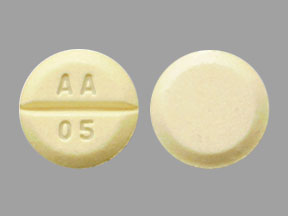
Oral |
Tablets |
5 mg* |
Mephyton (scored) |
Merck |
|
Parenteral |
Injection |
2 mg/mL* |
Phytonadione Injection |
|
|
10 mg/mL* |
Phytonadione Injection |
AHFS DI Essentials™. © Copyright 2024, Selected Revisions March 9, 2020. American Society of Health-System Pharmacists, Inc., 4500 East-West Highway, Suite 900, Bethesda, Maryland 20814.
† Off-label: Use is not currently included in the labeling approved by the US Food and Drug Administration.
Reload page with references included
More about phytonadione
- Check interactions
- Compare alternatives
- Pricing & coupons
- Reviews (3)
- Drug images
- Latest FDA alerts (1)
- Side effects
- Dosage information
- During pregnancy
- Drug class: anticoagulant reversal agents
- Breastfeeding
- En español
Patient resources
Professional resources
Other brands
Vitamin K1, Aquamephyton, Mephyton