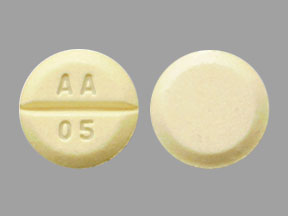
Phytonadione (oral/injection)
Generic name: phytonadione (oral/injection) [ fye-toe-na-DYE-own ]
Brand names: Mephyton, Vitamin K1, Aquamephyton, Konakion
Dosage forms: injectable solution (1 mg/0.5 mL; 10 mg/mL), oral tablet (100 mcg; 5 mg)
Drug classes: Anticoagulant reversal agents, Vitamins
What is phytonadione?
Phytonadione is a man-made form of vitamin K, which occurs naturally in the body.
Phytonadione is used to treat vitamin K deficiency, and to treat certain bleeding or blood-clotting problems caused by other medicines or medical conditions.
Phytonadione may also be used for purposes not listed in this medication guide.
Phytonadione side effects
Get emergency medical help if you have signs of an allergic reaction: hives; difficult breathing; swelling of your face, lips, tongue, or throat.
A phytonadione injection may cause a serious allergic reaction. Tell your caregiver if you feel weak, tingly, light-headed, warm, itchy, or if you have a chest pain, trouble breathing, a cold sweat, or swelling in your face.
Phytonadione may cause serious side effects. Call your doctor at once if you have:
-
unusual or unpleasant taste in your mouth;
-
a light-headed feeling, like you might pass out;
-
blue colored lips;
-
jaundice (yellowing of the skin or eyes);
-
trouble breathing;
-
weak but rapid pulse; or
-
skin redness, itching, or a hard lump where an injection was given.
Common side effects of phytonadione may include:
-
dizziness;
-
flushing (warmth, redness, or tingly feeling);
-
changes in your sense of taste;
-
sweating; or
-
pain or swelling where the medicine was injected.
This is not a complete list of side effects and others may occur. Call your doctor for medical advice about side effects. You may report side effects to FDA at 1-800-FDA-1088.
Related/similar drugs
Warnings
Never use phytonadione in larger amounts, or for longer than recommended by your doctor.
A phytonadione injection may cause a serious allergic reaction. Tell your caregiver if you feel weak, tingly, light-headed, warm, itchy, or if you have a chest pain, trouble breathing, a cold sweat, or swelling in your face.
Before taking this medicine
You should not use phytonadione if you are allergic to it.
Tell your doctor if you have ever had liver disease.
Phytonadione injection may contain an ingredient that can cause serious side effects or death in very young or premature babies. Do not give phytonadione to a child without medical advice.
It is not known whether this medicine will harm an unborn baby. Tell your doctor if you are pregnant or plan to become pregnant.
It may not be safe to breast-feed a baby while you are using this medicine. Ask your doctor about any risks.
How should I use phytonadione?
Follow all directions on your prescription label and read all medication guides or instruction sheets. Use the medicine exactly as directed.
Never use phytonadione in larger amounts, or for longer than prescribed.
A phytonadione injection is given into a muscle, under the skin, or as an infusion into a vein. A healthcare provider will give the injection.
You may need frequent blood tests.
If you need surgery or dental work, tell the surgeon or dentist you currently use this medicine.
Store at room temperature away from moisture and heat. Protect from light. Keep the medicine in the original container and tightly closed when not in use.
What happens if I miss a dose?
Call your doctor for instructions if you miss a dose of phytonadione.
What happens if I overdose?
Seek emergency medical attention or call the Poison Help line at 1-800-222-1222.
What should I avoid while using phytonadione?
Follow your doctor's instructions about any restrictions on food, beverages, or activity.
What other drugs will affect phytonadione?
Tell your doctor about all your other medicines. Some may affect phytonadione, especially:
This list is not complete. Other drugs may affect phytonadione, including prescription and over-the-counter medicines, vitamins, and herbal products. Not all possible drug interactions are listed here.
More about phytonadione
- Check interactions
- Compare alternatives
- Pricing & coupons
- Reviews (3)
- Drug images
- Side effects
- Dosage information
- During pregnancy
- Drug class: anticoagulant reversal agents
- Breastfeeding
- En español
Patient resources
- Phytonadione (Injection) advanced reading
- Phytonadione (Oral) (Advanced Reading)
- Phytonadione Tablets
- Phytonadione Injection
Other brands
Professional resources
Other brands
Vitamin K1, Aquamephyton, Mephyton
Related treatment guides
Further information
Remember, keep this and all other medicines out of the reach of children, never share your medicines with others, and use this medication only for the indication prescribed.
Always consult your healthcare provider to ensure the information displayed on this page applies to your personal circumstances.
Copyright 1996-2025 Cerner Multum, Inc. Version: 5.01.