
Vasectomy
Medically reviewed by Drugs.com. Last updated on Apr 2, 2024.
What do I need to know about a vasectomy?
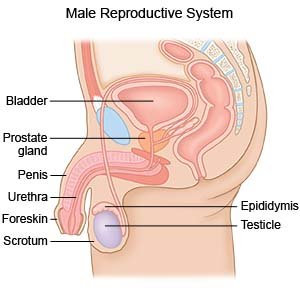
A vasectomy is a procedure to make you sterile. It is a permanent form of birth control. The vas deferens (sperm tubes) are cut so that the semen does not contain sperm.
 |
How do I prepare for a vasectomy?
- Talk to your partner about the type of birth control you will use right after your procedure. You will need to use another form of birth control until tests show that your semen does not contain sperm. This may take up to 3 months. When you have sex, use a condom, or have your partner use hormonal birth control, an IUD, or a diaphragm during this time. This will help prevent pregnancy.
- Your healthcare provider will tell you how to prepare for your procedure. He or she may want you to bring an athletic supporter with you. You will use it after surgery to support your scrotum while you heal. You may be given instructions for how to clean your scrotum on the day of surgery.
- Your provider may tell you not to eat or drink anything after midnight on the day of your procedure. He or she will tell you what medicines to take or not take on the day of your procedure. Arrange to have someone drive you home after the procedure.
What will happen during a vasectomy?
You will be given local anesthesia as an injection in your scrotum. Your scrotum will be numb but you may still feel pressure or pulling. You may also receive a sedative to help keep you calm. A small puncture or incision will be made. The sperm tube will be cut and a small portion removed. One or both ends will then be closed with stitches, medical clips, or a heat treatment. The same procedure will be done to the other sperm tube. Usually no stitches are needed and the tiny puncture wound will heal by itself. Sometimes medical glue is applied to keep the puncture wound closed.
What should I expect after a vasectomy?
Rest for about 30 minutes after the procedure. Ice and an athletic supporter may be applied to decrease discomfort.
What are the risks of a vasectomy?
Your scrotum may be bruised or inflamed. You may get an infection or a hematoma (buildup of blood). You may develop long-term pain in your scrotum. You may not become sterile if one or both of your cut sperm tubes grow back together. If you do not return as directed to have your semen checked, you may be at risk for pregnancy.
Care Agreement
You have the right to help plan your care. Learn about your health condition and how it may be treated. Discuss treatment options with your healthcare providers to decide what care you want to receive. You always have the right to refuse treatment. The above information is an educational aid only. It is not intended as medical advice for individual conditions or treatments. Talk to your doctor, nurse or pharmacist before following any medical regimen to see if it is safe and effective for you.© Copyright Merative 2024 Information is for End User's use only and may not be sold, redistributed or otherwise used for commercial purposes.
Further information
Always consult your healthcare provider to ensure the information displayed on this page applies to your personal circumstances.
