
Tonsillitis in Children
Medically reviewed by Drugs.com. Last updated on Jun 30, 2025.
What is tonsillitis?
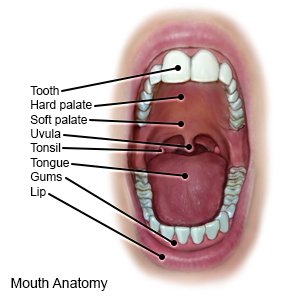
Tonsillitis is inflammation of the tonsils. Tonsils are the lumps of tissue on both sides of the back of your child's throat. Tonsils are part of the immune system. They help fight infection. Tonsillitis may be caused by a bacterial or a viral infection. Recurrent tonsillitis is tonsillitis that happens at least 5 times in 1 year. Chronic tonsillitis lasts 3 months or longer.
 |
What are the signs and symptoms of tonsillitis?
- Fever and sore throat
- Nausea, vomiting, or abdominal pain
- Cough or hoarseness
- Runny or stuffy nose
- Yellow or white patches on the back of the throat
- Bad breath
- Rash on the body or in the mouth
How is tonsillitis diagnosed?
Your child's healthcare provider will look into your child's throat and feel the sides of his or her neck and jaw. Your child's provider will ask about your child's signs and symptoms. Your child may need any of the following:
- A throat culture may show which germ is causing your child's illness. A cotton swab is rubbed against the back of your child's throat.
- Blood tests may show if the infection is caused by bacteria or a virus.
How is tonsillitis treated?
Treatment may decrease your child's signs and symptoms. Treatment also may lower the number of times that he or she gets tonsillitis in a year. Your child may need any of the following:
- Acetaminophen decreases pain and fever. It is available without a doctor's order. Ask how much to give your child and how often to give it. Follow directions. Read the labels of all other medicines your child uses to see if they also contain acetaminophen, or ask your child's doctor or pharmacist. Acetaminophen can cause liver damage if not taken correctly.
- NSAIDs , such as ibuprofen, help decrease swelling, pain, and fever. This medicine is available with or without a doctor's order. NSAIDs can cause stomach bleeding or kidney problems in certain people. If your child takes blood thinner medicine, always ask if NSAIDs are safe for him or her. Always read the medicine label and follow directions. Do not give these medicines to children younger than 6 months without direction from a healthcare provider.
- Antibiotics help treat a bacterial infection.
- A tonsillectomy is surgery to remove your child's tonsils. Your child may need surgery if he or she has chronic or recurrent tonsillitis. Surgery may also be done if antibiotics are not working.
How can I care for my child?
- Help your child rest. Have your child slowly start to do more each day.
- Encourage your child to eat and drink. Your child may not want to eat or drink if his or her throat is sore. Offer ice cream, cold liquids, or popsicles. Help your child drink enough liquid to prevent dehydration. Ask how much liquid your child needs to drink each day and which liquids are best.
- Have your child gargle with warm salt water. If your child is old enough to gargle, this may help decrease his or her throat pain. Mix 1 teaspoon of salt in 8 ounces of warm water. Ask how often your child should do this.
What can I do to help prevent tonsillitis?
Bacteria and viruses that lead to tonsillitis can spread through coughing, sneezing, or touching. The following can help prevent infections:
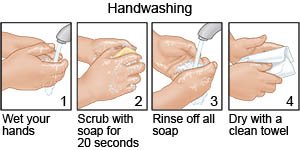
- Wash your and your child's hands often. Use soap and water every time. Teach your child how to wash his or her hands. Show your child how to rub his or her soapy hands together, lacing the fingers. Have your child wash his or her hands for at least 20 seconds. Have your child rinse with warm, running water and dry his or her hands with a clean towel or paper towel. Have your older child use hand sanitizer that contains alcohol if soap and water are not available.
- Teach your child to cover a sneeze or cough. Use a tissue that covers your child's mouth and nose. Teach your child to throw the tissue away immediately. If your child does not have a tissue, he or she should use the bend of his or her elbow.
- Prevent person-to-person spread of germs. Do not let your child share food or drinks with anyone. Have your child return to school, daycare, or other activities as directed. Your provider may want you to wait until your child's fever is gone for at least 24 hours.
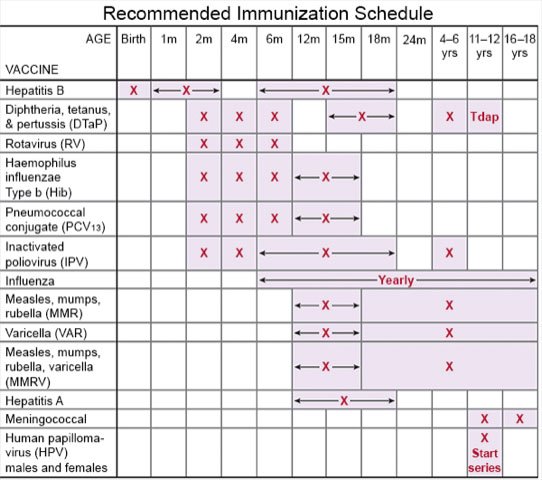
- Ask about vaccines your child may need. Vaccines help protect your child from some bacterial and viral infections. Your child should get the influenza (flu) vaccine as soon as recommended each year, usually in September or October. Your child should also get a COVID-19 vaccine and recommended boosters. Your child's healthcare provider will tell you which other vaccines your child needs, and when to get them.
Call your local emergency number (911 in the US) if:
- Your child suddenly has trouble breathing or swallowing.
- Your older child is drooling.
When should I seek immediate care?
- Your child is not able to eat or drink because of the pain.
- Your child has voice changes, or it is hard to understand his or her speech.
- Your child has increased swelling or pain in his or her jaw, or your child has trouble opening his or her mouth.
- Your child has a stiff neck.
- Your child has not urinated in 12 hours or is very weak or tired.
- Your child has pauses in his or her breathing when he or she sleeps.
When should I call my child's doctor?
- Your child has a fever.
- Your child's symptoms do not get better, or they get worse.
- Your child has a rash on his or her body, red cheeks, and a red, swollen tongue.
- You have questions or concerns about your child's condition or care.
Care Agreement
You have the right to help plan your child's care. Learn about your child's health condition and how it may be treated. Discuss treatment options with your child's healthcare providers to decide what care you want for your child. The above information is an educational aid only. It is not intended as medical advice for individual conditions or treatments. Talk to your doctor, nurse or pharmacist before following any medical regimen to see if it is safe and effective for you.© Copyright Merative 2025 Information is for End User's use only and may not be sold, redistributed or otherwise used for commercial purposes.
Learn more about Tonsillitis
Treatment options
Care guides
Further information
Always consult your healthcare provider to ensure the information displayed on this page applies to your personal circumstances.