
Stasis Dermatitis
Medically reviewed by Drugs.com. Last updated on Sep 1, 2024.
Stasis dermatitis is a condition that develops when blood pools in your lower legs. It is caused by poor blood flow back to your heart.
DISCHARGE INSTRUCTIONS:
Call your local emergency number (911 in the US) if:
- You feel lightheaded, short of breath, and have chest pain.
- You cough up blood.
Return to the emergency department if:
- Your leg feels warm, tender, and painful. It may look swollen and red.
Call your doctor if:
- You have a fever.
- Your pain is not getting better, even with treatment.
- You have new or worse open sores.
- Your sores are draining pus.
- Your movement is limited.
- You have questions or concerns about your condition or care.
Medicines:
- Medicines help improve blood flow from your legs to your heart and decrease swelling.
- Take your medicine as directed. Contact your healthcare provider if you think your medicine is not helping or if you have side effects. Tell your provider if you are allergic to any medicine. Keep a list of the medicines, vitamins, and herbs you take. Include the amounts, and when and why you take them. Bring the list or the pill bottles to follow-up visits. Carry your medicine list with you in case of an emergency.
Manage your symptoms:
- Maintain a healthy weight. Ask your healthcare provider what a healthy weight is for you. Ask him or her to help you create a weight loss plan if you are overweight. This will help improve your blood flow.
- Eat a variety of healthy foods. Healthy foods include fruits, vegetables, whole-grain breads, low-fat dairy products, beans, lean meats, and fish. You may need to eat foods that are low in salt to help decrease swelling in your legs.

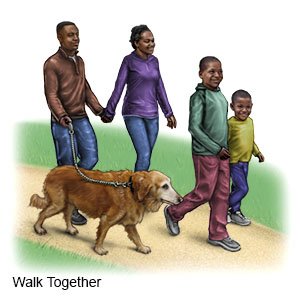
- Exercise regularly. Ask your healthcare provider about the best exercise plan for you. Exercise improves the blood flow in your legs.
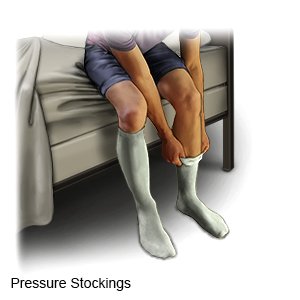
- Wear pressure stockings. These tight elastic stockings put pressure on your legs. This improves blood flow and prevents blood from collecting in your legs.
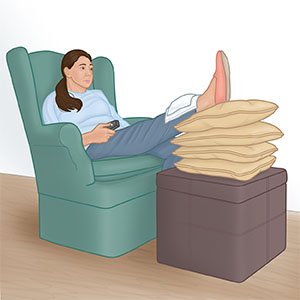
- Elevate your legs above the level of your heart for 30 minutes, 4 times a day. This will help decrease swelling and pain. Prop your legs on pillows or blankets to keep them elevated comfortably.
- Apply lotions or creams to the area. These help keep your skin moist and decrease itching. Apply the lotion or cream right after a lukewarm bath or shower when your skin is still damp. Use products that do not contain a scent.
- Do not scratch your legs. Your skin can break open if you scratch. This can lead to sores or an infection.
Follow up with your doctor as directed:
Write down your questions so you remember to ask them during your visits.
© Copyright Merative 2024 Information is for End User's use only and may not be sold, redistributed or otherwise used for commercial purposes.
The above information is an educational aid only. It is not intended as medical advice for individual conditions or treatments. Talk to your doctor, nurse or pharmacist before following any medical regimen to see if it is safe and effective for you.
Further information
Always consult your healthcare provider to ensure the information displayed on this page applies to your personal circumstances.