
Shopping for a Healthy Diet
Medically reviewed by Drugs.com. Last updated on Sep 1, 2024.
Why is shopping for healthy foods important?
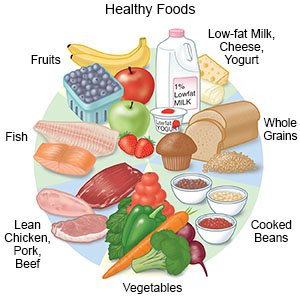
You may be more likely to follow a healthy meal plan if you have healthy foods available in your home. A healthy meal plan includes a variety of healthy foods from all the food groups. It is also low in unhealthy fats, salt, and added sugar. Healthy foods may decrease your risk for heart disease, osteoporosis (brittle bones), and some types of cancer.
 |
What is a healthy meal plan?
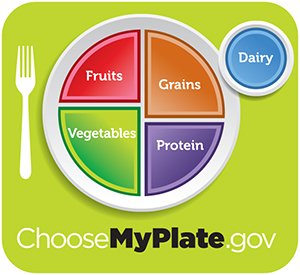
My Plate is a model for planning healthy meals. It shows the types and amounts of foods that should go on your plate. Fruits and vegetables make up about half of your plate, and grains and protein make up the other half. A serving of dairy is also included. The amount of calories and serving sizes you need depends on your age, gender, weight, and height. Examples of healthy foods are listed below:
- Eat a variety of vegetables such as dark green, red, and orange vegetables. You can also include canned vegetables low in sodium (salt) and frozen vegetables without added butter or sauces.
- Eat a variety of fresh fruits , canned fruit in 100% juice, frozen fruit, and dried fruit.
- Include whole grains. At least half of the grains you eat should be whole grains. Examples include whole wheat bread, wheat pasta, brown rice, and whole grain cereals such as oatmeal.
- Eat a variety of protein foods such as seafood (fish and shellfish), lean meat, and poultry without skin (turkey and chicken). Examples of lean meats include pork leg, shoulder, or tenderloin, and beef round, sirloin, tenderloin, and extra lean ground beef. Other protein foods include eggs and egg substitutes, beans, peas, soy products, nuts, and seeds.
- Choose low-fat dairy products such as skim or 1% milk or low-fat yogurt, cheese, and cottage cheese.
 |
What should I do before I go shopping?
- Plan your meals.
- Plan your shopping around healthy meals and recipes that you will prepare for the week. Switch ingredients in recipes to lower the total fat and calorie content. For example, if a recipe calls for milk, you can add nonfat or 1% milk instead of whole milk. Use egg substitute in a recipe that calls for whole eggs. Make a list of the foods you will need for your planned meals.
- Plan healthy meals that can be made quickly on days when you are extra busy. Another idea is to plan meals that you can make in large batches and freeze. You can thaw and eat these meals on days when you do not have time to cook. For example, spaghetti can be made in several batches at once and frozen.
- Find ways to make affordable healthy choices. Look through supermarket ads for sales. Buy fruits and vegetables when they are in season or buy them at your local farmer's market.
- Eat before you go shopping. Shopping on an empty stomach may cause you to buy unhealthy foods because you feel hungry.
What are some tips for making healthy choices while I am shopping?
- Know where to find healthy foods in the grocery store. Go to the food sections that are found along the walls of the store first. Healthy foods, such as fruits, vegetables, bread, dairy products, meat, and fish, are usually placed in these areas. The inner aisles have other healthy foods, such as canned and frozen fruits and vegetables, and cereals. However, there are also other less healthy foods in the inner aisles. Some of these foods include packaged foods, snack foods, and desserts. Shopping in the inner aisles last may help you buy fewer of these foods.
- Read food labels. Use the nutrition information on food labels to help you make healthier food choices when you shop.
- The serving size is usually listed in cups or pieces and may include a weight (grams, ounces). It also shows the number of servings that are in a package. Compare the amount that you will eat to the serving size listed. If the package contains 2 servings and you eat the whole package, then you will eat twice the amount of calories and nutrients listed.
- The nutrients listed on the top section of the label are fat, saturated fat, trans fat, cholesterol, and sodium. Limit these nutrients because eating too much may increase your risk of certain diseases. The total carbohydrates, fiber, and sugars are also listed. The nutrients you should try to get enough of include dietary fiber, vitamin A, vitamin C, calcium, and iron. These nutrients may help you to reduce your risk of diseases such as osteoporosis and heart disease.
- The % daily value (DV) listed on the food label next to the nutrients tells you if a food is low or high in these nutrients. A percent DV of 5% or less means that the food is low in that nutrient. A percent DV of 20% or more means that the food is high in that nutrient.
- Keep food safety in mind. Keep raw, cooked, and ready-to-eat foods separate in your shopping cart. Place raw seafood, meat, and poultry in plastic bags to prevent leakage of juices to other foods. Foods that need to be refrigerated or frozen should be taken home and stored within 2 hours. This prevents the growth of bacteria that can lead to food poisoning.
Care Agreement
You have the right to help plan your care. Discuss treatment options with your healthcare provider to decide what care you want to receive. You always have the right to refuse treatment. The above information is an educational aid only. It is not intended as medical advice for individual conditions or treatments. Talk to your doctor, nurse or pharmacist before following any medical regimen to see if it is safe and effective for you.© Copyright Merative 2024 Information is for End User's use only and may not be sold, redistributed or otherwise used for commercial purposes.
Further information
Always consult your healthcare provider to ensure the information displayed on this page applies to your personal circumstances.