
Shin Splints
Medically reviewed by Drugs.com. Last updated on Sep 1, 2024.
What are shin splints?
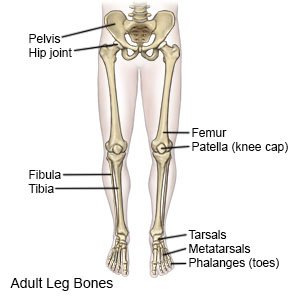
Shin splints is a term used to describe pain along your shin bone. The shin bone, or tibia, is the large bone in the front of your lower leg. Shin splints develop when you put extra stress on your shin bone and the tissues that connect your muscles to the bone. Shin splints are common in runners, dancers, and other athletes.
 |
What increases my risk for shin splints?
- Starting a new exercise or running program
- A sudden increase in time, distance, or frequency when you exercise
- Running on an uneven or slanted surface, such as hills
- Running on a hard surface, such as concrete or asphalt
- Not stretching or warming up before exercise
- High arches or flat feet
- Sports with starts and stops, such as tennis
What are the signs or symptoms of shin splints?
You may have soreness, tenderness, or pain along your shin bone. You may also have mild swelling in your lower leg.
How are shin splints diagnosed?
Your healthcare provider will usually diagnose your shin splints when he or she examines you. You may need an x-ray or other imaging tests to show a stress fracture of your shin bone.
How are shin splints treated?
- Rest from the exercise or activity that caused your pain. You may be able to try other, low-impact exercises while you heal. For example, try to bike or swim to decrease stress on your shin.
- Apply ice on your shin bone for 15 to 20 minutes 4 to 8 times a day. Use an ice pack, or put crushed ice in a plastic bag. Cover the bag with a towel before you apply it to your skin. Ice helps prevent tissue damage and decreases swelling and pain.
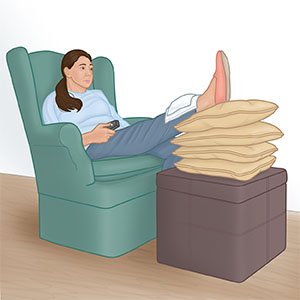
- Elevate your shin above the level of your heart as often as you can. This will help decrease swelling and pain. Prop your shin on pillows or blankets to keep it elevated comfortably.
- Medicines:
- Acetaminophen decreases pain and fever. It is available without a doctor's order. Ask how much to take and how often to take it. Follow directions. Read the labels of all other medicines you are using to see if they also contain acetaminophen, or ask your doctor or pharmacist. Acetaminophen can cause liver damage if not taken correctly.
- NSAIDs , such as ibuprofen, help decrease swelling, pain, and fever. This medicine is available with or without a doctor's order. NSAIDs can cause stomach bleeding or kidney problems in certain people. If you take blood thinner medicine, always ask your healthcare provider if NSAIDs are safe for you. Always read the medicine label and follow directions.
How can I help prevent shin splints?
- Stretch and warm up before and after you exercise. This will help loosen your muscles and decrease stress on your shins.
- Start slowly and make changes in small amounts. Start new exercises or activities slowly. Increase time or intensity gradually. Stop if you have pain.
- Wear proper shoes or shoe inserts. Choose the best shoes for your foot type and activity or exercise. Shoe inserts help support your heel or arch and decrease stress on your shins. These may be rubber, silicone, or felt pads.
- Choose flat, even surfaces for running. Avoid concrete or asphalt. Exercise on softer surfaces such as grass, dirt, or rubber tracks.
- Do shin splint exercises. These exercises help strengthen the muscles in your legs.
When should I seek immediate care?
- You fall and have severe shin pain.
- Your shin is red, warm, and swollen.
When should I call my doctor?
- Your pain does not go away with treatment, or it gets worse.
- You have pain at rest.
- You have questions or concerns about your condition or care.
Care Agreement
You have the right to help plan your care. Learn about your health condition and how it may be treated. Discuss treatment options with your healthcare providers to decide what care you want to receive. You always have the right to refuse treatment. The above information is an educational aid only. It is not intended as medical advice for individual conditions or treatments. Talk to your doctor, nurse or pharmacist before following any medical regimen to see if it is safe and effective for you.© Copyright Merative 2024 Information is for End User's use only and may not be sold, redistributed or otherwise used for commercial purposes.
Further information
Always consult your healthcare provider to ensure the information displayed on this page applies to your personal circumstances.