
Rubella
Medically reviewed by Drugs.com. Last updated on Apr 2, 2024.
What is rubella?
Rubella, or German measles, is a disease caused by a virus. The virus is spread when an infected person coughs or sneezes. It travels through droplets from the infected person's airway. Anyone who breathes in the droplets can become infected. The virus can also infect a person who touches an object the droplets landed on.
What are the signs and symptoms of rubella?
- Fever, runny nose, or sore throat
- Headache or muscle aches
- Red, inflamed eyes
- Swollen, tender glands at the back of the neck and ears
- Rash that starts on the face and spreads down the body toward the toes
- Joint aches and pain
How is rubella diagnosed?
Your healthcare provider may be able to diagnose rubella based on your symptoms and a physical exam. You may need a blood test to confirm the infection.
How is rubella treated?
NSAIDs, such as ibuprofen, help decrease swelling, pain, and fever. This medicine is available without a doctor's order. NSAIDs can cause stomach bleeding or kidney problems in certain people. If you take blood thinner medicine, always ask if NSAIDs are safe for you. Always read the medicine label and follow directions. Do not give these medicines to children under 6 months of age without direction from your child's healthcare provider.
Treatment options
The following list of medications are related to or used in the treatment of this condition.
What can I do to manage my symptoms?
- Get more rest. Rest as much as possible until you feel better.
- Drink extra liquids. This will help prevent dehydration. Ask how much liquid you should drink each day. Healthy liquids include water, juice, and milk. Limit the amount of caffeine you drink.
- Eat a variety of healthy foods. Healthy foods include fruits, vegetables, whole-grain breads, low-fat dairy products, beans, lean meats, and fish. This will help you feel better and give you more energy.
What can I do to prevent rubella?
- Ask your healthcare provider about the MMR vaccine. This vaccine helps protect you, your child, and others around you from measles, mumps, and rubella. Your provider will tell you how many doses you or your child needs. He or she will tell you when to get the vaccine.
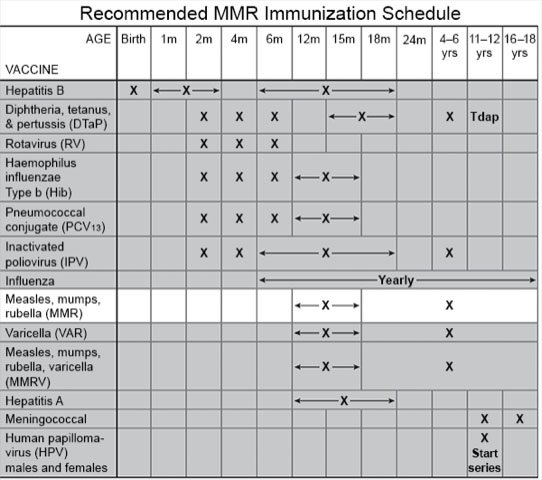
- Prevent the spread of the rubella virus:
- Wash your hands often, and after you use the bathroom or change a child's diaper. Use soap and water. Use a gel-based hand sanitizer if soap and water are not available.
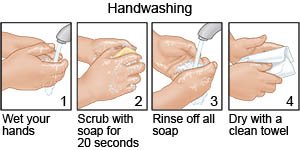
- Stay away from others, especially anyone who is pregnant or has not had the MMR vaccine. Stay home from school or work until your healthcare provider says you can return.
- Do not share items with anyone.
- Clean surfaces with a disinfecting cleaner.
- Cough and sneeze into a tissue. Use the bend of your elbow if a tissue is not available.
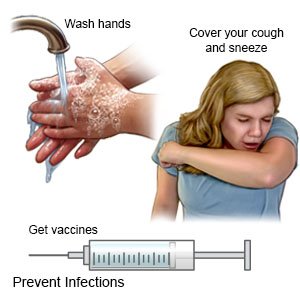
- Wash your hands often, and after you use the bathroom or change a child's diaper. Use soap and water. Use a gel-based hand sanitizer if soap and water are not available.
Call your local emergency number (911 in the US) if:
- You have a seizure.
When should I seek immediate care?
- You have trouble breathing.
- You are confused.
- You have a severe headache.
When should I call my doctor?
- Your rash starts to itch.
- You have joint pain and swelling, even after treatment.
- Your testicles are inflamed (males).
- You are pregnant and think you might have rubella (females).
- You have questions or concerns about your condition or care.
Care Agreement
You have the right to help plan your care. Learn about your health condition and how it may be treated. Discuss treatment options with your healthcare providers to decide what care you want to receive. You always have the right to refuse treatment. The above information is an educational aid only. It is not intended as medical advice for individual conditions or treatments. Talk to your doctor, nurse or pharmacist before following any medical regimen to see if it is safe and effective for you.© Copyright Merative 2024 Information is for End User's use only and may not be sold, redistributed or otherwise used for commercial purposes.
Learn more about Rubella
Treatment options
Symptoms and treatments
Further information
Always consult your healthcare provider to ensure the information displayed on this page applies to your personal circumstances.
