
Refractive Errors of the Eye
Medically reviewed by Drugs.com. Last updated on May 6, 2024.
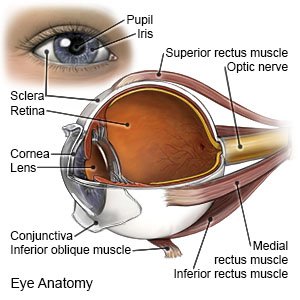
Refractive errors of the eye are common vision disorders. These disorders happen when there is a problem with how your eye bends and focuses light. Refractive errors are caused by abnormal shape and texture of your eye.
 |
DISCHARGE INSTRUCTIONS:
Call your healthcare provider or ophthalmologist if:
- You have a headache that does not go away, even after treatment.
- You have a sudden loss of vision.
- You have changes in your eyesight.
- You have questions or concerns about your condition or care.
Medicines:
You may need any of the following:
- Eyedrops or ointments may be used to decrease inflammation or help your eyes focus. Some may make your eye muscles stronger.
- Take your medicine as directed. Contact your healthcare provider if you think your medicine is not helping or if you have side effects. Tell your provider if you are allergic to any medicine. Keep a list of the medicines, vitamins, and herbs you take. Include the amounts, and when and why you take them. Bring the list or the pill bottles to follow-up visits. Carry your medicine list with you in case of an emergency.
Care for your eyes:
- Get regular eye exams. Get your eyes checked at least every year.
- Eat healthy foods. Fresh fruits and vegetables that are rich in vitamins A and C may help with your vision. Foods such as sweet potatoes, apricots, and carrots are rich in good nutrients for the eyes.
- Take care of your contacts or glasses. Store, clean, and use your contacts or glasses as directed. Replace your glasses or contact lenses as often as your healthcare provider suggests.
- Decrease eye strain. Rest your eyes, especially after you read or sew for long periods of time. Get plenty of sleep at night. Use lights that reduce glare in your home, school, or workplace.
- Wear dark sunglasses. This will help prevent pain and light sensitivity. Make sure the sunglasses have UVA and UVB protection. This will protect your eyes when you go outside.
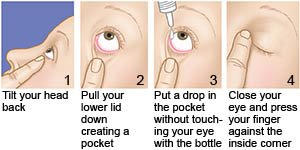
- Use eyedrops safely. If your treatment plan includes eyedrops, it is important to use them as directed. Your provider may give you detailed instructions to follow. The eyedrops may also come with safety instructions. Follow all instructions to help prevent an infection. Do not touch the tip of the bottle to your eye. Germs from your eye can spread to the medicine bottle.
Follow up with your healthcare provider or ophthalmologist as directed:
Write down your questions so you remember to ask them during your visits.
© Copyright Merative 2024 Information is for End User's use only and may not be sold, redistributed or otherwise used for commercial purposes.
The above information is an educational aid only. It is not intended as medical advice for individual conditions or treatments. Talk to your doctor, nurse or pharmacist before following any medical regimen to see if it is safe and effective for you.
Learn more about Refractive Errors of the Eye
Treatment options
Care guides
Further information
Always consult your healthcare provider to ensure the information displayed on this page applies to your personal circumstances.
