
Premenstrual Syndrome
Medically reviewed by Drugs.com. Last updated on Sep 1, 2024.
What is premenstrual syndrome (PMS)?
PMS is a group of physical, emotional, and mental changes that begin 1 to 2 weeks before your monthly periods.
What causes PMS?
Healthcare providers do not know for sure what causes PMS. The following may cause or increase your risk for PMS, or make it worse:
- Monthly changes in hormone levels
- A family history of PMS
- Changes in brain chemicals
- A lack of healthy foods, too much caffeine, or not enough exercise
- Stress or a mood disorder, such as depression
What are the signs and symptoms of PMS?
PMS symptoms may range from mild to severe. They usually go away within hours to days after your monthly period starts. You may have any of the following:
- Irritability, depression, crying spells, or decreased interest in daily activities
- Trouble thinking, focusing on tasks, or remembering things
- Weight gain or swelling in your abdomen, ankles, hands, or face
- Acne
- Headaches, backaches, or swollen, tender, painful breasts
- Constipation or diarrhea
- Increased hunger or food cravings
- More tired than usual or trouble sleeping
How is PMS diagnosed?
- Your healthcare provider will ask about your symptoms. Keep a record of your menstrual cycle each month. Include the dates that your periods start and stop. Also include your symptoms, such as mood changes and changes in your body. Write down if your symptoms were mild, moderate, or severe. Record your symptoms for at least 2 of your monthly periods so your provider can check for any patterns.
- Your provider may examine you to check for other possible causes of your symptoms. You may need blood tests to check your hormone levels. You may also need a pelvic exam so your provider can check your vagina, cervix, and uterus for problems.
How is PMS treated?
You may not need any treatment for PMS. The following can help relieve your symptoms:
- NSAIDs , such as ibuprofen, help decrease swelling, pain, and fever. NSAIDs can cause stomach bleeding or kidney problems in certain people. If you take blood thinner medicine, always ask your healthcare provider if NSAIDs are safe for you. Always read the medicine label and follow directions.
- Diuretics help your body get rid of extra fluid. You may urinate more than usual while you are taking this medicine.
- Antidepressants may be given to help improve your mood or behavior. Sometimes it is given only during the last 2 weeks of the menstrual cycle. Some vitamins, herbal supplements, or food supplements may interact with this medicine. Ask your healthcare provider before you take any supplements.
- Birth control pills may be given if your PMS is severe. Birth control pills contain hormones that can help to improve PMS symptoms.
- Nutrition supplements may be recommended, such as calcium, magnesium, or vitamins. These supplements may help to relieve your PMS symptoms. Talk to your healthcare provider before you take any supplements for PMS.
Treatment options
The following list of medications are related to or used in the treatment of this condition.
What lifestyle changes may help relieve PMS?
- Exercise as directed. Exercise may decrease stress and PMS symptoms and help you feel better. Get at least 150 minutes (2 hours and 30 minutes) of physical activity each week, such as walking. Do muscle strengthening activities at least 2 days a week. Spread physical activity throughout the week. Talk to your healthcare provider about the best exercise plan for you.

- Get enough sleep. Most people need 6 to 8 hours of sleep each night. Ask your healthcare provider how many hours of sleep you should have. To help you sleep better, avoid drinks that contain alcohol or caffeine in the late afternoon or evening. Avoid nicotine (tobacco products). Do not exercise within 3 hours of going to bed.
- Do not drink alcohol. Do not have drinks that contain alcohol for 1 week before your period.
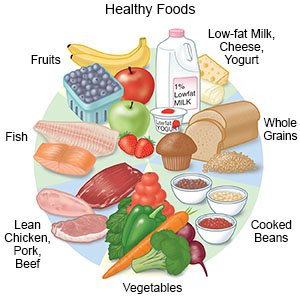
- Eat a variety of healthy foods. Healthy foods may help you feel better and have more energy. Include fruits, vegetables, whole grains, low-fat dairy products, and lean protein foods (meat, beans, and fish).
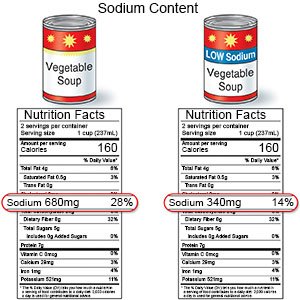
- Limit sodium. Too much sodium (salt) can cause you to retain water and increase swelling. Read labels on food and drink packages to find out how much sodium is in the food or drink. Do not eat or drink more than 2,300 milligrams (mg) of sodium each day.
- Limit caffeine. Too much caffeine can make you feel nervous or moody. Foods and drinks such as chocolate, coffee, some teas, and soda have caffeine.
- Eat less sugar. Read package labels to find out how much carbohydrates (sugars) are in the foods you eat. Sugar may be called sucrose, fructose, corn syrup, or high fructose corn syrup.
Where can I find more information?
- The National Women's Health Information Center
8270 Willow Oaks Corporate Drive
Fairfax , VA 22031
Phone: 1- 800 - 994-9662
Web Address: http://www.womenshealth.gov
- The American College of Obstetricians and Gynecologists
P.O. Box 70620
Washington , DC 20024-9998
Phone: 1- 202 - 638-5577
Phone: 1- 800 - 673-8444
Web Address: http://www.acog.org
Call your local emergency number (911 in the US) if:
- You feel that you may hurt yourself or someone else.
When should I call my doctor or gynecologist?
- You feel pain in your abdomen and are shaking or have chills and a fever.
- You have symptoms that last longer than 2 weeks each month.
- You feel depressed most or all of the time.
- Your PMS symptoms cause problems in your life or relationships.
- You have questions or concerns about your condition or care.
Care Agreement
You have the right to help plan your care. Learn about your health condition and how it may be treated. Discuss treatment options with your healthcare providers to decide what care you want to receive. You always have the right to refuse treatment. The above information is an educational aid only. It is not intended as medical advice for individual conditions or treatments. Talk to your doctor, nurse or pharmacist before following any medical regimen to see if it is safe and effective for you.© Copyright Merative 2024 Information is for End User's use only and may not be sold, redistributed or otherwise used for commercial purposes.
Learn more about Premenstrual Syndrome
Treatment options
Symptoms and treatments
Further information
Always consult your healthcare provider to ensure the information displayed on this page applies to your personal circumstances.