
Posterior Cruciate Ligament Injury
Medically reviewed by Drugs.com. Last updated on Sep 1, 2024.
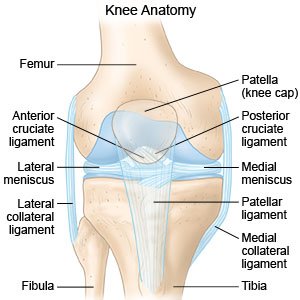
A posterior cruciate ligament (PCL) injury is a partial or complete tear of the ligament in the back of your knee. The PCL connects the tibia (shin bone) to the femur (thigh bone). The PCL stops the tibia from sliding too far backward or forward and keeps the knee stable.
 |
DISCHARGE INSTRUCTIONS:
Return to the emergency department if:
- Your toes are cold or numb.
- Your knee becomes more weak or unstable.
- Your pain has increased or returned, even after you take your pain medicine.
- Your swelling has increased or returned.
Call your doctor if:
- Your symptoms are not getting better.
- You have a fever.
- You have questions or concerns about your condition or care.
Medicines:
You may need any of the following:
- NSAIDs , such as ibuprofen, help decrease swelling, pain, and fever. NSAIDs can cause stomach bleeding or kidney problems in certain people. If you take blood thinner medicine, always ask your healthcare provider if NSAIDs are safe for you. Always read the medicine label and follow directions.
- Prescription pain medicine may be given. Ask your healthcare provider how to take this medicine safely. Some prescription pain medicines contain acetaminophen. Do not take other medicines that contain acetaminophen without talking to your healthcare provider. Too much acetaminophen may cause liver damage. Prescription pain medicine may cause constipation. Ask your healthcare provider how to prevent or treat constipation.
- Take your medicine as directed. Contact your healthcare provider if you think your medicine is not helping or if you have side effects. Tell your provider if you are allergic to any medicine. Keep a list of the medicines, vitamins, and herbs you take. Include the amounts, and when and why you take them. Bring the list or the pill bottles to follow-up visits. Carry your medicine list with you in case of an emergency.
Rest:
Rest your knee as much as possible so that it can heal. Return to normal activities as directed.
Support devices:
You may need a splint or knee brace to limit your movement and protect your knee. You may need to use crutches to help decrease your pain as you move around.
Go to physical therapy as directed:
A physical therapist teaches you exercises to help improve movement and strength, and to decrease pain.
Follow up with your doctor as directed:
Write down your questions so you remember to ask them during your visits.
© Copyright Merative 2024 Information is for End User's use only and may not be sold, redistributed or otherwise used for commercial purposes.
The above information is an educational aid only. It is not intended as medical advice for individual conditions or treatments. Talk to your doctor, nurse or pharmacist before following any medical regimen to see if it is safe and effective for you.
Learn more about Posterior Cruciate Ligament Injury
Care guides
Further information
Always consult your healthcare provider to ensure the information displayed on this page applies to your personal circumstances.