
Plantar Fasciitis
Medically reviewed by Drugs.com. Last updated on Sep 1, 2024.
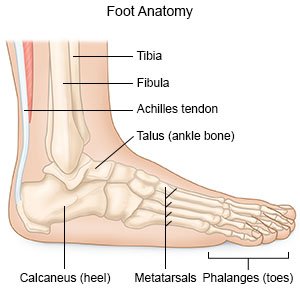
Plantar fasciitis is swelling of the plantar fascia. The plantar fascia is a thick band of tissue that connects your heel bone to your toes. This part of your foot helps support the arch of your foot and absorbs shock.
 |
DISCHARGE INSTRUCTIONS:
Call your doctor if:
- Your pain or swelling suddenly increases.
- You develop knee, hip, or back pain.
- You have questions or concerns about your condition or care.
Medicines:
You may need any of the following:
- Acetaminophen decreases pain and fever. It is available without a doctor's order. Ask how much to take and how often to take it. Follow directions. Read the labels of all other medicines you are using to see if they also contain acetaminophen, or ask your doctor or pharmacist. Acetaminophen can cause liver damage if not taken correctly.
- NSAIDs , such as ibuprofen, help decrease swelling, pain, and fever. NSAIDs can cause stomach bleeding or kidney problems in certain people. If you take blood thinner medicine, always ask your healthcare provider if NSAIDs are safe for you. Always read the medicine label and follow directions.
- Take your medicine as directed. Contact your healthcare provider if you think your medicine is not helping or if you have side effects. Tell your provider if you are allergic to any medicine. Keep a list of the medicines, vitamins, and herbs you take. Include the amounts, and when and why you take them. Bring the list or the pill bottles to follow-up visits. Carry your medicine list with you in case of an emergency.
Self-care:
- Wear your splint or shoe inserts as directed. You may need to wear a splint at night to keep your foot stretched while you sleep. This will help prevent sharp pain first thing in the morning. Shoe inserts will help decrease stress on your plantar fascia when you walk or exercise.
- Apply ice on your plantar fascia. Ice helps decrease swelling and pain. Fill a water bottle with water and freeze it. Wrap a towel around the bottle or cover it with a pillow case. Roll the water bottle under your foot for 10 minutes each morning and evening.
- Massage your plantar fascia as directed. This may help decrease swelling and pain. Roll a golf ball under your foot for 10 minutes. Repeat 3 times each day.
- Go to physical therapy as directed. A physical therapist teaches you exercises to help improve movement and strength, and to decrease pain.
Treatment options
The following list of medications are related to or used in the treatment of this condition.
Prevent plantar fasciitis:
- Maintain a healthy weight. This will help decrease stress on your feet. Ask your healthcare provider what a healthy weight is for you. Ask him or her to help you create a weight loss plan, if needed.
- Do low-impact exercises. Low-impact exercises decrease stress on your plantar fascia. Examples include swimming or bicycling.
- Start new activities slowly. Increase the intensity and time gradually.
- Wear shoes that fit well and support your arch. Replace your shoes before the padding or shock absorption wears out. Do not walk or stand in bare feet or sandals for long periods of time.
Follow up with your doctor as directed:
Write down your questions so you remember to ask them during your visits.
© Copyright Merative 2024 Information is for End User's use only and may not be sold, redistributed or otherwise used for commercial purposes.
The above information is an educational aid only. It is not intended as medical advice for individual conditions or treatments. Talk to your doctor, nurse or pharmacist before following any medical regimen to see if it is safe and effective for you.
Learn more about Plantar Fasciitis
Treatment options
Care guides
Symptoms and treatments
Further information
Always consult your healthcare provider to ensure the information displayed on this page applies to your personal circumstances.