
Vaginitis
Medically reviewed by Drugs.com. Last updated on Sep 1, 2024.
What is vaginitis?
Vaginitis is inflammation or infection of your vagina. Vaginitis is commonly caused by a bacterial or fungal infection. Other causes include a foreign object or exposure to a chemical irritant. You may be given medicines to treat an infection caused by bacteria or a fungus. Medicines may be given as a pill, or as a cream, gel, or tablet you insert into your vagina.
What are the signs and symptoms of vaginitis?
- Pain, itching, redness, burning, or swelling in your vagina
- An odor from your vagina that may be foul or smell like fish
- Thick, curd-like discharge
- Thin, gray-white discharge
- Small skin tears or chafing
- Painful sexual intercourse
- Pain when you urinate
How can I manage my symptoms?
- Take a sitz bath. Fill a bathtub with 4 to 6 inches of warm water. You may also use a sitz bath pan that fits inside a toilet bowl. Sit in the sitz bath for 15 minutes. Do this 3 times a day, and after each bowel movement. The warm water can help decrease pain and swelling.
- Use over-the-counter creams or ointments as directed. Examples include petroleum jelly, zinc creams, or hydrocortisone creams. These will help decrease itching and inflammation.
- Do not wear tight-fitting clothes or undergarments. These can make your symptoms worse.
- Do not use douches other irritating products in your vagina. Examples include bubble baths and perfumed soaps. The vagina is delicate and easily irritated. Ask your healthcare provider if it is okay to use tampons during your monthly periods. You may need to use pads instead until your symptoms go away.
- Do not have sex until your symptoms go away. When you have sex, always use a condom. Condoms can help protect you from contact with fluids from your partner that may be causing your vaginitis.
How can I help prevent infection?
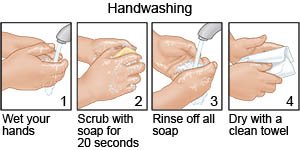
- Wash your hands with soap and water after you use the toilet.
- Wipe from front to back. Do this after you urinate or have a bowel movement. This will prevent germs from getting into your vagina.
- Wash your vagina each day. Use mild, unscented soap. Let the area air dry.
When should I call my doctor?
- You have unusual vaginal bleeding.
- You have severe abdominal pain.
- You have a fever.
- Your symptoms get worse, even after treatment.
- Your symptoms return.
- You have questions or concerns about your condition or care.
Care Agreement
You have the right to help plan your care. Learn about your health condition and how it may be treated. Discuss treatment options with your healthcare providers to decide what care you want to receive. You always have the right to refuse treatment. The above information is an educational aid only. It is not intended as medical advice for individual conditions or treatments. Talk to your doctor, nurse or pharmacist before following any medical regimen to see if it is safe and effective for you.© Copyright Merative 2024 Information is for End User's use only and may not be sold, redistributed or otherwise used for commercial purposes.
Learn more about Vaginitis
Treatment options
Care guides
Further information
Always consult your healthcare provider to ensure the information displayed on this page applies to your personal circumstances.