
Oral Chemotherapy
Medically reviewed by Drugs.com. Last updated on May 6, 2024.
What is oral chemotherapy?
Oral chemotherapy (chemo) is medicine used to shrink a tumor or kill cancer cells. Oral chemo is usually taken at home as a pill or liquid.
What will my chemo schedule be?
How often and how long you get chemo will depend on the type of cancer you have. It will also depend on the type of chemo you need, side effects, and how well the chemo works. You may be given more than one medicine at a time. You may take oral chemo daily, weekly, or once or twice a month. Chemo is often given in cycles over a period of several months or more. This means that you will get the medicine for a period of time, and then you will have a break from it. This allows your body to grow new, healthy cells.
What else do I need to know about oral chemo?
Chemo may damage your kidneys, liver, heart, or other organs. You may have an allergic reaction to chemo. This may become life-threatening. Your risk for infection and bleeding are increased during chemo treatment. You may have problems getting pregnant or getting your partner pregnant after you have chemo. You may need to receive chemo a different way, such as through a blood vessel instead of by mouth. You may need more than 1 cycle of chemo to treat your cancer.
What do I need to know about side effects of chemo?
Chemo can damage healthy cells in your digestive system, bone marrow, and mouth. Chemo may also attack your hair follicles. This attack or damage is what causes side effects. You may or may not have side effects from chemo. Your healthcare provider may give you medicine to prevent certain side effects. Side effects may depend on the type of chemo that you are given. Common side effects of oral chemo include the following:
- Fatigue or weakness
- Hair loss, including loss of eyelashes, eyebrows, and body hair
- Nausea, vomiting, diarrhea, or constipation
- Poor appetite or changes in taste
- Neuropathy (numbness, tingling, or pain) in your hands or feet that may go away between doses or worsens as treatment continues
- Problems with memory or concentration
- Dry skin, changes in skin color, or easy bruising
- Weight loss or gain
Can I take my regular medicines or vitamins during chemo?
Show your healthcare provider a list of everything you currently take. Ask him or her if it is safe for you to take your regular medicines, vitamins, or supplements during chemo. Some may prevent chemo from working correctly.
How do I take my oral chemo?
Your healthcare provider will tell you when to take your oral chemo and how often. The following are guidelines for how to take your oral chemo:
- Follow your chemo schedule. You may need to take your chemo at the same time each day. You can set an alarm, or set a reminder on your phone.
- Ask your healthcare provider if you should take your chemo with food. Some chemo should be taken on an empty stomach. You may need to stop eating certain foods while you take chemo. Some foods may prevent chemo from working correctly.
- Do not skip a dose of chemo. Take your medicine as directed so the level of the medicine stays the same in your body. This will help kill cancer cells. If you forget to take your medicine or are too sick, call your healthcare provider. Never double up on a dose of chemo that you miss.
- Do not crush or chew your chemo unless directed by your healthcare provider. This may prevent the chemo from working correctly. If your healthcare provider says it is okay, use a pill splitter to split your chemo pill. Do not split other medicines with this pill splitter.
What can I do to protect myself and others during chemo treatment?
Chemo may damage healthy skin or tissue. Do the following to protect yourself and others from chemo:
- Keep your chemo in the original package. Do not remove your chemo from the package until you are ready to take it. Do not put chemo in containers with other medicine that you take.
- Wash your hands before and after you touch your chemo. This will help prevent infection. It will also decrease your risk for damage to your skin.
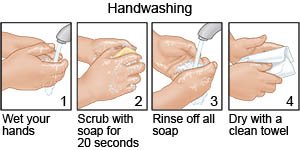
- Wear gloves when you touch chemo. This will prevent damage or irritation to your skin. Do not let anyone touch your chemo without gloves. Ask your healthcare provider where to purchase gloves.
- Store your chemo as directed. Your healthcare provider or pharmacist will tell you how to store your chemo. Read the package insert that comes with the chemo if you forget. Some medicines may need to be kept in the refrigerator. Keep your chemo out of reach of children and pets. Chemo medicine may cause serious harm to children and pets. If chemo can be kept out of a refrigerator, place it in a locked cabinet.
- Bring unused medicine to your pharmacist. Chemo medicine can harm the environment. Your pharmacy can get rid of chemo correctly to prevent this harm. Do not throw your medicine in the trash or flush it down the sink or toilet.
- Handle your body wastes and laundry as directed. Chemo leaves your body in your urine, bowel movement, vomit, spit, sweat, and tears. It may take up to 48 hours for chemo to leave your body. During this time you may need to follow directions to prevent exposing others to your body fluids. Ask your healthcare provider for more information.
- Do not let a pregnant woman touch your chemo or body fluids. Chemo may harm her unborn baby.
What other tests or treatments may I need?
- Medicines may be given to help manage side effects of chemotherapy. This may include medicines to decrease nausea and vomiting, or to manage pain. A medicine used to treat anxiety and depression is sometimes helpful for peripheral neuropathy caused by chemo. This is a condition that affects nerves in your arms, legs, hands, or feet. You may also need medicine to prevent an infection.
- Your healthcare provider will order tests to check how the chemo is working. Tests will also check for problems that chemo may cause. Blood and urine tests are used to check your blood cell levels, kidney function, and liver function. X-ray, CT, or MRI pictures will show if your tumor has shrunk. These tests will also show if cancer has spread to other places in your body.
- You may need a blood transfusion or medicine to make healthy cells. Chemo may prevent your bone marrow from making healthy blood cells. A blood transfusion is used to replace blood cells that your bone marrow cannot make. You may also need medicine to help your bone marrow make healthy cells.
- Your healthcare provider will check for hepatitis B (HBV) infection. If tests show you have chronic HBV, you will be given antiviral medicine. You will take the medicine before chemo starts and continue for at least 12 months after chemo ends. The medicine helps lower the risk that the virus will become active again. If tests show you have no HBV infection, you may be given medicine to prevent hepatitis B.
What can I do to care for myself during chemo?
- Rest as needed. You may feel tired for a few days after taking oral chemo. Return to activities slowly, and do more as you feel stronger.
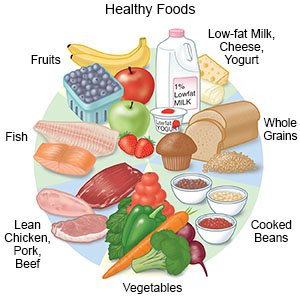
- Eat healthy foods. Healthy foods include fruits, vegetables, whole-grain breads, low-fat dairy products, beans, lean meats, and fish. Eat small meals throughout the day. This may be easier than eating 3 large meals.
- Drink plenty of liquids. Liquids will help prevent dehydration from vomiting or diarrhea. Ask how much liquid to drink each day and which liquids are best for you.
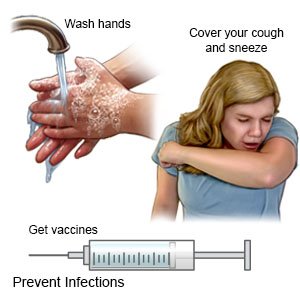
- Prevent infection. Stay away from people who are sick. Wash your hands frequently and ask visitors to wash their hands. Ask family and friends not to visit if they are sick. Do not spend time in crowded places such as movie theaters, malls, or elevators. Ask your healthcare provider if you need vaccines. He or she may give you medicine to prevent an infection.
- Manage hair loss. Use mild shampoos if your hair begins to thin or fall out. Use a soft bristled brush to comb your hair. If you lose your hair, wash your scalp with moisturizing shampoos or conditioners. Apply lotion and massage your scalp after a shower. Use sunscreen, a hat, a scarf, or a wig to protect your scalp from the sun. Ask your healthcare provider where you can purchase a wig or hair piece.
- Work with your healthcare provider to manage side effects. Always tell your healthcare provider if you have side effects. Take medicines that manage side effects as directed. Ask your healthcare provider for more information on how to manage certain side effects.
Where can I find more information and support?
It may be difficult for you and your family to go through cancer and cancer treatments. Join a support group or talk with others who have gone through treatment.
- American Cancer Society
250 Williams Street
Atlanta , GA 30303
Phone: 1- 800 - 227-2345
Web Address: http://www.cancer.org
- National Cancer Institute
6116 Executive Boulevard, Suite 300
Bethesda , MD 20892-8322
Phone: 1- 800 - 422-6237
Web Address: http://www.cancer.gov
Call your local emergency number (911 in the US) for any of the following:
- You have chest pain, shortness of breath, or trouble breathing.
- Your throat feels swollen and you have trouble swallowing or breathing.
- You cough up blood.
When should I seek immediate care?
- You feel confused or have a severe headache that does not go away.
- You have arm or leg weakness, trouble walking, or trouble seeing.
- Your arm or leg feels warm, painful, or looks bigger than usual.
- You feel weak, dizzy, or faint.
- Your heart is beating faster than usual.
- You have blood in your urine or bowel movement.
- You urinate a lot less than usual or stop urinating.
- You vomit blood.
When should I call my doctor or oncologist?
- You have a fever of 100.5°F (38°C) or higher or chills.
- You have bleeding from your gums.
- You have nausea or vomiting and cannot take your chemo.
- You vomit after you take your oral chemo.
- You miss a dose of chemo.
- You have sores or white spots in your mouth.
- You have constipation or diarrhea for more than 1 day.
- You feel depressed.
- You have frequent, painful urination.
- You have a cough that lasts more than a few days.
- You have bruises on your body that are not caused by an injury or fall.
- You have trouble affording your chemo medicine.
- You have questions or concerns about your condition or care.
Care Agreement
You have the right to help plan your care. Learn about your health condition and how it may be treated. Discuss treatment options with your healthcare providers to decide what care you want to receive. You always have the right to refuse treatment. The above information is an educational aid only. It is not intended as medical advice for individual conditions or treatments. Talk to your doctor, nurse or pharmacist before following any medical regimen to see if it is safe and effective for you.© Copyright Merative 2024 Information is for End User's use only and may not be sold, redistributed or otherwise used for commercial purposes.
Further information
Always consult your healthcare provider to ensure the information displayed on this page applies to your personal circumstances.
