
Non-Hodgkin Lymphoma
Medically reviewed by Drugs.com. Last updated on Sep 1, 2024.
Non-Hodgkin lymphoma is a cancer of the lymphatic system. The lymphatic system contains lymph vessels, lymph nodes, and glands, such as the spleen and thymus. Lymph vessels carry lymph fluid throughout the body. Lymph fluid contains lymphocytes (white blood cells) that help fight infection and disease. Non-Hodgkin lymphoma causes lymphocytes to grow and divide without control and to form tumors. Non-Hodgkin lymphoma can develop in any lymph tissue in the body. Common places are lymph nodes in the neck, underarm, and chest. Cancer cells can travel from lymph node to lymph node and spread through the body.
DISCHARGE INSTRUCTIONS:
Call your local emergency number (911 in the US) if:
- You have severe chest pain.
- You have more trouble breathing than usual.
- You have a seizure.
- You cannot think clearly, or you feel confused.
Seek care immediately if:
- You are too dizzy to stand, or you have trouble keeping your balance.
- Your legs swell.
- You feel weak or numb on one side of your body.
Call your doctor or oncologist if:
- You have a fever.
- You have back pain and weakness in your legs.
- You are vomiting and cannot keep any food or liquids down.
- You have questions or concerns about your condition or care.
Self-care:
- Rest as needed. Return to activities slowly, and do more as you feel stronger.
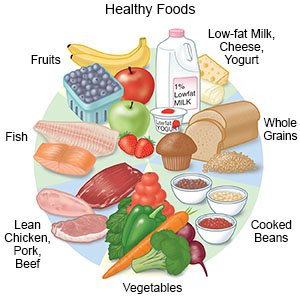
- Eat a variety of healthy foods. Healthy foods include vegetables, fruit, low-fat dairy products, lean meats, fish, nuts, whole-grain breads and cereals. Healthy foods help you get the protein, carbohydrates, and other nutrients your body needs. You may need to change the foods you eat depending on your treatments and side effects. You may also need to eat more calories than usual. Work with a dietitian to plan the best meals and snacks for you. Ask if you should take vitamins.
- Do not smoke. Nicotine and other chemicals in cigarettes increase your risk for lung disease. Talk to your healthcare provider if you need help quitting. E-cigarettes and smokeless tobacco still contain nicotine. Ask your provider for information before you use these products.
- Limit or drink alcohol, as directed by your provider. Your skin may itch when you drink alcohol. Alcohol also increases your risk for dehydration if you are vomiting. If you choose to drink alcohol, limit the number of drinks you have within 24 hours and within 1 week, as directed. A drink of alcohol is 12 ounces of beer, 5 ounces of wine, or 1½ ounces of liquor.
- Avoid people who have a cold or the flu. Also try to stay away from large groups of people to decrease your risk.
Treatment options
The following list of medications are related to or used in the treatment of this condition.
Follow up with your oncologist as directed:
You will need to see your oncologist for ongoing treatment. Write down your questions so you remember to ask them during your visits.
© Copyright Merative 2024 Information is for End User's use only and may not be sold, redistributed or otherwise used for commercial purposes.
The above information is an educational aid only. It is not intended as medical advice for individual conditions or treatments. Talk to your doctor, nurse or pharmacist before following any medical regimen to see if it is safe and effective for you.
Learn more about Non-Hodgkin Lymphoma
Treatment options
Care guides
Symptoms and treatments
Medicine.com guides (external)
Further information
Always consult your healthcare provider to ensure the information displayed on this page applies to your personal circumstances.