Non-alcoholic Fatty Liver Disease

What is non-alcoholic fatty liver disease?

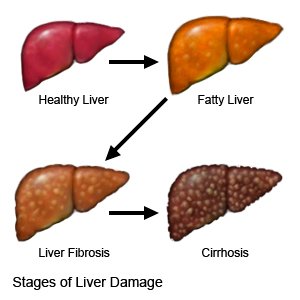
  • When you have non-alcoholic fatty liver disease (NAFLD), your liver has more fat in it than it should. Your liver is in the upper right side of your abdomen (stomach) and under your lower ribs. It makes a fluid called bile that helps digest (break down) food to turn it into energy. Non-alcoholic means that your liver disease was not caused by drinking too much alcohol (such as beer, wine, or whiskey). You may have NAFLD without knowing it. This usually occurs when you have a mild form of NAFLD called simple steatosis (fatty liver).
    Picture of the location of the liver


  • If your NAFLD becomes worse (more fatty), you may get non-alcoholic steatohepatitis (NASH). With NASH, your liver cells become damaged and inflamed (swollen). NASH also may cause your liver to have fibrosis (too many tissue fibers). You may get very serious liver diseases such as cirrhosis and liver cancer. With treatment, you may be less likely to have NASH and other liver problems. Your liver may become healthier, less fatty, and may work better than before treatment.

What causes non-alcoholic fatty liver disease?

The cause of NAFLD is not known. You may be more likely to get NAFLD if people in your family have it. People with diseases like diabetes (high blood sugar) and metabolic syndrome are also more likely to get NAFLD. With metabolic syndrome, you may have too much sugar in your diet. You also may have high blood pressure or a lot of fat around your waist. Any of the following may be a cause of NAFLD:

  • Weight: You may have NAFLD because you are overweight (weigh more than you should). Losing weight too quickly also may make NAFLD worse.

  • Fatty foods: You may have NAFLD because you eat too many fatty foods. In your stomach, the fat that you eat becomes fatty acids. Fatty acids can attach to your liver and make it more fatty. Fatty acids can also cause your liver to make more fat cells. You also may get NAFLD if you do not eat enough protein.

  • Liver diseases: Certain liver diseases such as hepatitis may cause NAFLD. You also may develop cancer in your liver with NAFLD.

  • Medicines: Certain medicines may cause you to have a fatty liver. These may include cancer or heart medicines. Antibiotics also may cause your liver to become fatty. Antibiotics fight infections caused by germs called bacteria.

  • Tube feeding: You may develop a fatty liver if you get your nutrition through a tube. Tube feeding is called total parenteral nutrition (TPN). With TPN, your food is given through an intravenous (IV) tube. An IV tube is a tube placed in your vein for giving medicine or liquids.

What are the signs and symptoms of non-alcoholic fatty liver disease?

With NAFLD, you may not have any signs and symptoms or you may have any of the following:

  • Swelling in the upper right side of your abdomen.

  • Pain in the upper right side of your abdomen.

  • A feeling of being more tired than usual.

  • Extra fat around your waist.

  • Extra fat on your upper back.

  • Skin darkening on your underarm and other areas where your skin touches other skin.

  • Constipation (hard, dry stools that are difficult to pass or that you pass less often than usual).

How is non-alcoholic fatty liver disease diagnosed?

Your caregiver will ask you questions about your health and symptoms. He will ask you if you have ever had problems with your liver. He may ask how often you have drinks with alcohol. Your caregiver will feel your abdomen. He may weigh you and measure your body. Your caregiver may take your blood pressure. You also may have any of the following tests:

  • Blood and urine tests: Your caregiver will do blood tests to check how your liver is working. He also may measure the sugar and iron in your blood. You may have blood or urine tests to check for causes of your NAFLD, such as diabetes.

  • Imaging tests:

    • Abdominal ultrasound: An ultrasound may show if your liver is fatty. It also may show if your liver has fibrosis. An abdominal ultrasound is a test that looks inside of your abdomen. Sound waves are used to show pictures of your abdomen on a TV-like screen.

    • Computed tomography (CT) scan: A CT scan will help your caregiver see if there is extra fat in your liver. During a CT, a special x-ray machine takes pictures of your abdomen. These pictures help your caregiver see your liver and nearby organs. You may be given dye before the pictures are taken. The dye is usually given in your IV. The dye may help your caregiver see the pictures better. People who are allergic to shellfish (lobster, crab, or shrimp) may be allergic to some dyes. Tell the caregiver if you are allergic to shellfish or have other allergies.

    • Magnetic resonance imaging: This test is also called an MRI. An MRI may show how much fat you have in your liver. During the MRI, pictures are taken of your abdomen. You will need to lie very still during an MRI. Never enter the MRI room with an oxygen tank, watch, or any other metal objects. This can cause serious injury.

  • Liver biopsy:

    • Your caregiver may do a liver biopsy to see if you have NASH. A liver biopsy will show if your liver has inflammation or fibrosis. It will help your caregiver see if there have been any changes in your liver cells. A biopsy also will help your caregiver decide if your NASH is severe. Your caregiver may do a liver biopsy right away or wait until you have had a few months of treatment.

    • During a liver biopsy, a small piece of your liver is removed and sent to a lab for tests. Caregivers will clean the area of your skin that will be biopsied. You may be given medicine to lose feeling in the area to be biopsied. A needle is put through the wall of your abdomen or between your ribs. The needle then moves into the liver and a small piece of your liver is taken out. You will have a bandage put over the area where you were biopsied.

How is non-alcoholic fatty liver disease treated?

Losing weight is the most common treatment for NAFLD. Weight loss can decrease your liver fat, increase your liver's health, and decrease your risk of NASH. Your caregiver may suggest a weight loss program that includes exercise and changes to your diet. Your caregiver also may suggest treatment for the medical conditions that may be causing your NAFLD. You may need the following:

  • Diet: Your caregiver may want you to see a counselor to help you with your nutrition. Together, you will come up with a plan that is right for you.

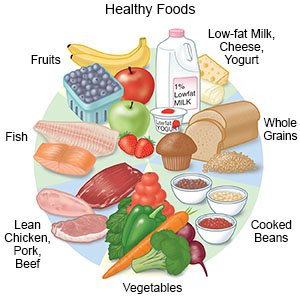
    • Your caregiver will ask you to decrease the amount of calories and fat in your diet. Your caregiver may ask you to eat fewer foods that contain saturated fat. Saturated fats include butter, lard, coconut or palm oil, shortening, and some types of margarine. Your caregiver may want you to eat fewer foods that contain carbohydrates (carbs). Carbs are found in breads and starches, dairy products, fruits, vegetables, sugars, and sweets. Do not eat less carbs than your caregiver wants you to eat. Eating too few carbs can make your NAFLD worse.

    • Your caregiver may want you to have more polyunsaturated fats in your diet. Polyunsaturated fats are found in oils such as canola, sunflower, sesame, safflower, and other plant oils. Your caregiver also may want you to have more fiber in your diet. Examples of high fiber foods are fresh fruits and vegetables, whole grain breads, cooked dried beans, and bran cereals.

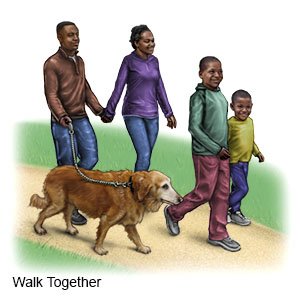
  • Aerobic exercise: Aerobic exercise may help you lose weight and make your muscles stronger. Examples of aerobic exercise include cycling, brisk walking, and jogging. Exercising 3 to 4 times a week may make your liver less fatty. Ask your caregiver for the right exercise program for you. Do not exercise more than your caregiver says is okay.

  • Medicine: Your caregiver may treat other medical conditions that may make your NAFLD worse. He may give you medicine to help you lose weight. Your caregiver also may give you any of the following:

    • Blood pressure medicine: This is given to lower your blood pressure. A controlled blood pressure helps protect your organs, such as your heart, lungs, brain, and kidneys. Take your blood pressure medicine exactly as directed.

    • Cholesterol medicine: This type of medicine is given to help decrease (lower) the amount of cholesterol (fat) in your blood. Cholesterol medicine works best if you also exercise and eat a healthy diet that is low in certain kinds of fats. Some cholesterol medicines may cause liver problems. You may need to have blood taken for tests while using this medicine.

    • Hypoglycemic medicine: This medicine may be given to decrease the amount of sugar in your blood. Hypoglycemic medicine helps your body move the sugar to your cells, where it is needed for energy.

  • Surgery: Your caregiver may suggest weight loss surgery for NAFLD if other treatments do not work for you. Weight loss surgery may help you feel less hungry. You may have trouble eating foods with sugar and fat after surgery. Eating fewer foods with sugar and fat may cause you to lose weight. Weight loss surgery may help decrease the fat in your liver. It also may help your liver become healthier.

Where can I find more information?

Contact the following:

  • American College of Gastroenterology
    6400 Goldsboro Rd., Ste 450
    Bethesda , MD 20817
    Phone: 1- 301 - 263-9000
    Web Address: http://www.gi.org
  • American Liver Foundation
    39 Broadway Suite 2700
    New York , New York 10006
    Phone: 1- 212 - 668-1000
    Phone: 1- 800 - 465-4837
    Web Address: http://www.liverfoundation.org

When should I call my caregiver?

Call your caregiver if:

  • You feel more pain than usual in the upper right side of your abdomen.

  • You have more swelling than usual in the upper right side of your abdomen.

  • You feel more tired than usual.

  • You bruise or bleed easily.

  • Your skin looks yellow.

  • You have questions or concerns about your condition, treatment, or care.

When should I seek immediate help?

Seek care immediately or call 911 if:

  • You feel lightheaded or have fainted (passed out).

  • You have shaking, chills, and a fever (high body temperature).

  • You have trouble thinking clearly or seem more confused.

  • You have trouble breathing.

Care Agreement

You have the right to help plan your care. Learn about your health condition and how it may be treated. Discuss treatment options with your caregivers to decide what care you want to receive. You always have the right to refuse treatment.

© 2013 Truven Health Analytics Inc. Information is for End User's use only and may not be sold, redistributed or otherwise used for commercial purposes. All illustrations and images included in CareNotes® are the copyrighted property of the Blausen Databases or Truven Health Analytics.

The above information is an educational aid only. It is not intended as medical advice for individual conditions or treatments. Talk to your doctor, nurse or pharmacist before following any medical regimen to see if it is safe and effective for you.

Learn more about Non-alcoholic Fatty Liver Disease

Help us improve Drugs.com: Take our quick 1 question survey

Close
(web5)