
Lung Cancer
Medically reviewed by Drugs.com. Last updated on Sep 1, 2024.
Lung cancer is a type of cancer that starts in the lungs. Lung cancer is the leading cause of cancer deaths worldwide. Cigarette smoking causes most lung cancer, but it can also develop in people who do not smoke.
 |
DISCHARGE INSTRUCTIONS:
Call your local emergency number (911 in the US) if:
- You have severe chest pain when you take a deep breath or cough.
- You have new or worse trouble breathing.
Seek care immediately if:
- You cannot think clearly.
- You cough up blood, or more blood than before.
- Your lips or nails look blue or pale.
Call your doctor or oncologist if:
- You have a fever.
- You are vomiting and cannot keep food or liquids down.
- You have questions or concerns about your condition or care.
Lower your risk for lung cancer:
- Do not smoke, and avoid secondhand smoke. Nicotine and other chemicals in cigarettes and cigars can cause lung damage. Ask your healthcare provider for information if you currently smoke and need help to quit. E-cigarettes or smokeless tobacco still contain nicotine. Talk to your healthcare provider before you use these products.
- Have lung cancer screening, if recommended. Screening is a test done to find lung cancer early. Screening may be recommended if you are a heavy smoker or you quit within the past 15 years. A heavy smoker means at least 1 pack each day for 20 years or 2 packs each day for 10 years. You can have screening if you are at least 50 years old, never had lung cancer, and do not have any symptoms. Screening may be done 1 time each year until you are 77 to 80. Ask your provider for more information about lung cancer screening.
- Have your home tested for radon. Do this especially if you live in an area where radon is a known problem.
- Wear protective gear if you work with substances or chemicals that can cause cancer. Avoid exposure as much as you can. Follow safety precautions.
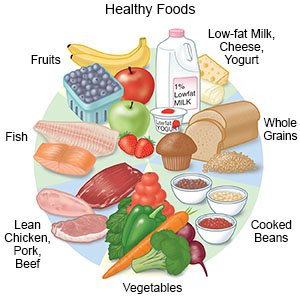
- Eat a variety of healthy foods. Healthy foods include fruits, vegetables, whole-grain breads, low-fat dairy products, beans, lean meats, and fish.
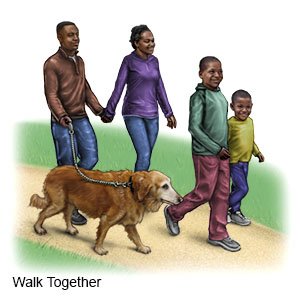
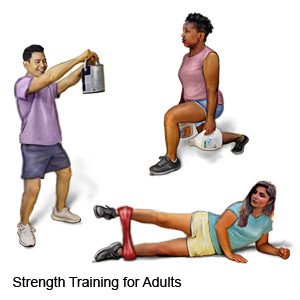
- Be physically active throughout the day. Physical activity such as exercise can help increase your energy level and fight illness. Be physically active for at least 30 minutes per day, on most days of the week. Include aerobic activity, such as walking or riding a bicycle. Also include strength training at least 2 times each week. Your healthcare providers can help you create a physical activity plan.
Follow up with your doctor or oncologist as directed:
You will need to see your oncologist for ongoing treatment. Write down your questions so you remember to ask them during your visits.
© Copyright Merative 2024 Information is for End User's use only and may not be sold, redistributed or otherwise used for commercial purposes.
The above information is an educational aid only. It is not intended as medical advice for individual conditions or treatments. Talk to your doctor, nurse or pharmacist before following any medical regimen to see if it is safe and effective for you.
Learn more about Lung Cancer
Treatment options
Care guides
Symptoms and treatments
Further information
Always consult your healthcare provider to ensure the information displayed on this page applies to your personal circumstances.