
Labyrinthitis
Medically reviewed by Drugs.com. Last updated on Apr 2, 2024.
What is labyrinthitis?
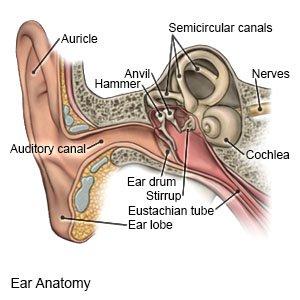
Labyrinthitis is an inflammation of the labyrinth or nerves in the inner ear. The labyrinth helps you hear and keep your balance. Symptoms can make it difficult to walk or do your normal activities but are not life-threatening.
 |
What increases my risk for labyrinthitis?
- A bacterial or viral infection, such as mumps
- An ear or respiratory tract infection that spreads and causes inner ear inflammation
- Tumors in the inner ear or problems with blood supply
- A condition such as motion sickness
- An injury to the head
- Certain medicines, such as antibiotics, that damage the labyrinth
What are the signs and symptoms of labyrinthitis?
Signs and symptoms are often sudden and severe. You may have any of the following:
- Vertigo (a feeling of moving or spinning, or being pulled to the floor or toward your side)
- Nausea and vomiting
- Abnormal, fast eye movement
- Pale, cold, or sweaty skin
- Tinnitus (ringing or buzzing in the ears) or hearing loss
How is labyrinthitis diagnosed?
Your healthcare provider will ask you about your symptoms. He or she may ask about your health conditions or past injuries. He or she may ask which medicines you take or have taken in the past. Your provider will examine your ears. He or she may move your head in different directions to see if you get dizzy. You may also need any of the following:
- Fluid samples from a wound or your ear, nose, or throat may show if an infection is causing your labyrinthitis.
- An auditory brainstem response test is used to check your response to sound. A series of clicks is played through headsets on your ears. A machine measures how your cochlea and nerves react to the clicks.
- MRI or CT scan pictures of your skull and brain may show the cause of the labyrinthitis. You may be given contrast liquid to help your skull and brain show up better in the pictures. Tell the healthcare provider if you have ever had an allergic reaction to contrast liquid. Do not enter the MRI room with anything metal. Metal can cause serious injury. Tell the healthcare provider if you have any metal in or on your body.
- Electronystagmography is done to test for problems you may have with balance or dizziness. Sticky pads with wires are placed on the skin around your eyes. The wires are connected to a machine that records information. Warm and cool air or water is put into your ears while your eye movements are recorded.
How is labyrinthitis treated?
You may need any of the following:
- Vestibular and balance rehabilitation therapy (VBRT) is used to help decrease dizziness, improve balance, and prevent injuries.
- Medicines may be given to prevent or treat nausea, inflammation, or an infection caused by bacteria or a virus. Antivertigo medicine may help you feel less dizzy.
- Surgery may correct certain problems in your ears. Fluid can be removed or drained through a small slit in the eardrum. Surgery may include removing bone or cutting a nerve in your inner ear.
Manage labyrinthitis:
- Do the following when you have signs and symptoms of labyrinthitis:
- Be calm and take slow, deep breaths.
- Sit or lie down right away when you feel dizzy.
- Keep your head as still as possible and do not change positions quickly. Move slowly and let yourself get used to one position before moving to another position.
- Do not walk without help, drive a car, or operate heavy machinery when you feel dizzy.
- Make your home safe to prevent falls. Use a 4-pronged cane or walker to help you keep your balance when you walk. Remove loose carpeting from the floor to reduce your risk for a fall. Use chairs with side arms and hard cushions to make it easier to get up or out of a chair. Put grab bars on the walls beside toilets and inside showers and bathtubs. These will help you get up and help prevent falls. You may want to put a shower chair inside the shower.

- Use vestibular and balance rehabilitation therapy (VBRT), if directed. Therapy may be done with a physical therapist or at home. VBRT includes movement exercises while you are sitting or standing. These exercises will make you dizzy, but can also help your brain adapt to the triggers that are causing your vertigo. Over time, this therapy may help you have vertigo less often and also improve your balance.
Where can I find more information?
- Vestibular Disorders Association
P.O. Box 13305
Portland , OR 97213-0305
Phone: 1- 503 - 2297705
Phone: 1- 800 - 8378428
Call your local emergency number (911 in the US) or have someone call if:
- You have trouble speaking or thinking clearly.
- You have vision changes or shortness of breath.
When should I seek immediate care?
- You are not able to keep any fluids, food, or medicine down without vomiting.
- You have a dry mouth or cracked lips.
- You have a headache, stiff neck, and a fever.
- Your heartbeat is fast or irregular.
- You are not able to urinate.
- You have blood, pus, or fluid coming out of your ears.
- You have dizzy spells that last longer than they usually do.
- You have any weak or numb areas.
When should I call my doctor?
- You have a fever.
- You have ear pain.
- You feel weak, tired, or lose weight without trying.
- Your symptoms keep coming back or get worse.
- You have questions or concerns about your condition or care.
Care Agreement
You have the right to help plan your care. Learn about your health condition and how it may be treated. Discuss treatment options with your healthcare providers to decide what care you want to receive. You always have the right to refuse treatment. The above information is an educational aid only. It is not intended as medical advice for individual conditions or treatments. Talk to your doctor, nurse or pharmacist before following any medical regimen to see if it is safe and effective for you.© Copyright Merative 2024 Information is for End User's use only and may not be sold, redistributed or otherwise used for commercial purposes.
Learn more about Labyrinthitis
Treatment options
Care guides
Further information
Always consult your healthcare provider to ensure the information displayed on this page applies to your personal circumstances.
