
Hyperosmolar Hyperglycemic State
Medically reviewed by Drugs.com. Last updated on Sep 1, 2024.
Hyperosmolar hyperglycemic state (HHS) is a serious medical condition that develops if your blood sugar levels get very high. Your body gets rid of the extra sugar through your urine. This leads to severe dehydration. HHS can occur in people with type 1 or type 2 diabetes, but is more common in people with type 2 diabetes.
DISCHARGE INSTRUCTIONS:
Call 911 for any of the following:
- You have a seizure.
- You begin to breathe fast, or are short of breath.
- You become weak and confused.
Return to the emergency department if:
- You are urinating more often than usual.
- You are more thirsty than usual.
- You are more drowsy than usual.
Contact your healthcare provider if:
- Your blood sugar levels are higher than your healthcare provider says they should be.
- You have blurred vision.
- You have a fever.
- You have questions or concerns about your condition or care.
Medicines:
- Insulin may be needed if you have type 2 diabetes that cannot be controlled with diet, exercise, or other diabetes medicine. You may need 1 or more doses of insulin each day.
- Take your medicine as directed. Contact your healthcare provider if you think your medicine is not helping or if you have side effects. Tell your provider if you are allergic to any medicine. Keep a list of the medicines, vitamins, and herbs you take. Include the amounts, and when and why you take them. Bring the list or the pill bottles to follow-up visits. Carry your medicine list with you in case of an emergency.
Prevent HHS:
- Check your blood sugar level regularly. Ask your healthcare provider for information about how to check your blood sugar and how often to check it. He or she will tell you what your blood glucose level should be.
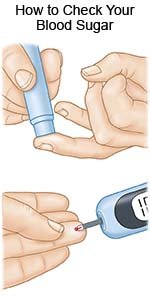
- Take your insulin or diabetes medicine as directed. This will help you to control your blood sugar levels. Tell your healthcare provider if the medicines are causing side effects or are not working well. Do not stop taking your insulin or medicines before you talk to your healthcare provider.
- Prepare for sick days. Your blood sugar levels increase when you are sick. Planning for sick days can keep your blood sugar levels from getting too high. Talk to your healthcare provider about a sick day plan that works best for you. Your healthcare provider may suggest any of the following:
- Check your blood sugar more often than usual. You may need to check your blood sugar level at least 4 times each day if you have type 2 diabetes. You may need to check even more often if you have type 1 diabetes.
- Check for ketones. You can check for ketones in your urine or blood at home. Ketone test kits are sold in pharmacies and some stores. Ask your healthcare provider which type of ketone testing is best for you. Your healthcare provider will tell you when and how often to check ketones.
- Take your insulin or diabetes medicine as directed. Take your medicine, even if you do not feel well and are eating less than usual. They help to keep your blood sugar under control. Talk to your healthcare provider before you make any changes to your dose of insulin or diabetes medicine.
- Continue your normal meal plan if you can. Eat your regular meals and drink plenty of liquids, such as water and caffeine-free diet drinks. If you cannot continue your meal plan, eat other foods that are easier for your body to digest. These foods include apple sauce, gelatin, crackers, soup, pudding, and yogurt. If you cannot eat these foods, drink liquids with calories in them instead. Some liquids that have calories include juice, broth, and regular soft drinks.
- Get help from others if you are older and live alone. Older adults are at increased risk of HHS. Have someone visit you regularly if you live alone. The visitor should watch for signs and symptoms of high blood sugar. The visitor should also remind you to drink enough liquids. It may be helpful to write down the amount of liquids you drink each day.
Follow up with your diabetes specialist or healthcare provider as directed:
Write down your questions so you remember to ask them during your visits.
© Copyright Merative 2024 Information is for End User's use only and may not be sold, redistributed or otherwise used for commercial purposes.
The above information is an educational aid only. It is not intended as medical advice for individual conditions or treatments. Talk to your doctor, nurse or pharmacist before following any medical regimen to see if it is safe and effective for you.
Learn more about Hyperosmolar Hyperglycemic State
Treatment options
- Medications for Diabetic Coma
- Medications for Diabetic Coma, in DM Type I
- Medications for Diabetic Coma, in DM Type II
Care guides
Further information
Always consult your healthcare provider to ensure the information displayed on this page applies to your personal circumstances.