How To Stop Smoking
GENERAL INFORMATION:
Why should I quit smoking cigarettes? The number one reason to quit smoking is that it reduces your risks of dying. Death from smoking is preventable. As a smoker, you are at higher risk than a non-smoker of having heart problems and many types of cancers. This includes cancers of the lip, mouth, and pharynx; esophagus; pancreas; larynx; lung; cervix; bladder; and kidney. You are at a higher risk of getting respiratory tract infections (colds), and life-long breathing problems such as chronic obstructive pulmonary disease (COPD). You are at higher risk for developing ulcers, cataracts, and osteoporosis, as well as having medical problems or dying after surgery. Cigarettes are expensive, and smokers have higher medical costs over their lifetime than non-smokers.
How does smoking affect pregnancy and childbirth? It may be harder for a woman to get pregnant if she or her partner smokes. If you smoke and are pregnant, you are at higher risk of serious health problems for both yourself and your unborn baby. Your baby has a greater chance of being born too early, not weighing enough at birth, and even dying. Scientists have found that nicotine spreads throughout your body when you smoke, and is also found in breast milk. This means that if you use nicotine during the time that you are breast feeding, you are feeding your baby this harmful chemical.
How does my use of nicotine hurt others? Secondhand smoke has many of the same chemicals found in cigarettes. Exposure to second-hand smoke happens when breathing the smoke from someone else's cigarette, or from a person breathing out while smoking a cigarette. This kind of smoke also causes cancer and places a person at higher risk of heart disease. In young children, their risk of SIDS (sudden infant death syndrome), pneumonia, asthma and bronchitis also increases. A child's risk is even higher than an adults because their lungs are not yet fully developed. An asthmatic child's condition will get worse if he is exposed to second-hand smoke. A child may also have more ear infections. Parents who smoke are also more likely to have children who grow up to be smokers.
What should I know about other cigarettes and "cigarette-like" products? "Low-yield", "light", "ultra-light", and "cigarette-like" products are called PREPs (potentially reduced exposure products). These products were made to have or deliver less of the harmful chemicals a person gets when they smoke. Because people may use more of these products and for other reasons, these products may carry the same health risks as regular cigarettes. Bidis are thin, hand-rolled imported cigarettes. They are filled with tobacco, usually tied with string at the ends, and may be chocolate or fruit-flavored. Kreteks (also called clove cigarettes) are imported and contain nicotine, plus other additives. Bidis and kreteks may be even more harmful to your health than regular cigarettes.
Why should I quit using pipes and cigars? Large cigars, cigarillos, and little cigars have the same chemicals found in cigarettes, and are as harmful to your health. If you smoke pipes or cigars, you are at increased risk of lung, esophagus, larynx, and oral cavity cancers.
Why should I quit using smokeless tobacco? Chewing tobacco and snuff are two kinds of "smokeless tobacco". Smokeless tobacco can be put in your mouth, then sucked and spit out, or it may be sniffed. Do not use smokeless tobacco as a substitute for smoking cigarettes if you are trying to quit. Smokeless tobacco has most of the same harmful effects as cigarette smoking, in addition to mouth sores and gum problems. Like cigarette users, you can become addicted and dependent on the nicotine in smokeless tobacco. Scientists have found that nicotine is as addictive as alcoholic drinks or street drugs, such as heroin and cocaine. You are also more likely than a non-smoker to start using cigarettes after having used smokeless tobacco.
Who will support me as I try to quit using nicotine? Ask your caregiver for help. Ways that have been found to help people quit smoking include counseling (talk therapy), behavior change therapy, and hypnosis. Frequent one-to-one, group, and telephone discussions are helpful if you are trying to quit smoking or using nicotine in any form. Support and encouragement from others, and learning ways to deal with stress are very important.
What are nicotine replacement products?
- Nicotine replacement products include gum, skin patches, lozenges, nose sprays, inhalers, and a pill. Nicotine is addictive. Using these products will help relieve the problems that come when you stop using nicotine (nicotine withdrawal). Nicotine replacement products contain a safe form of nicotine. They do not contain the harmful gases in smoke, or cancer-causing elements that are found in tobacco. These products are most helpful when they are used with a complete program to help you stop smoking.
- If you are pregnant, have heart disease, or have any other medical condition, talk to your caregiver before using these products. After selecting a product, always read and follow the directions for its use, and information about its side effects. Certain products can cause stomach upset and other more serious problems if they are used incorrectly. If you need to have a medical test called an MRI, tell the person doing the test if you wear a nicotine patch. Leaving a patch on your skin during this test can cause a burn.
- Gum, skin patches, and lozenges (similar to hard candies) can be bought without a doctor’s order. To begin using a nose spray, inhaler, or pill, you will need a doctor’s order.
- Most nicotine replacement products are not meant to be used over long periods of time. The goal is to decrease your use of them over time until you can stop using them completely. If you begin smoking again, or keep smoking while using these products, talk to your caregiver. He may tell you to keep using the products and to limit your smoking. He may instead suggest that you stop using the products, and try to quit smoking again when you are ready.
What are my first steps to stop using nicotine? Pick a date to quit and mark it on a calendar. Choose a day you will remember so that you can celebrate it every year after. If you smoke a lot at work, quit during a vacation. Write the following activities on the calendar, and plan to do them:
- Ask a friend or spouse to quit with you. Talk about it, and plan how you will support each other.
- Clean out ashtrays and start putting them away one by one. Clean other things that smell like smoke such as drapes, the car, and your office.
- Decrease the number of cigarettes you smoke each day. Try smoking only half a cigarette instead of a whole one. Limit smoking to only the even (or odd) hours of the day.
- Start exercising before you quit using nicotine. Your caregiver can help you plan the best exercise program for you.
- Switch to a brand of cigarettes you do not like as much.
- Throw away spare lighters. Smoke alone if you like to smoke with people. Making it difficult and undesirable to smoke will help you to quit more easily.
- Try to be aware of why you smoked each cigarette. Then practice avoiding the things that cause you to smoke.
- Write down a list of reasons why you want to quit. Review one every night before you go to bed.
- Make big plans for the day that you quit using any form of nicotine. Keep very busy, and treat yourself to something special to celebrate quitting. Throw your cigarettes, smokeless tobacco, and all other nicotine products away. Dispose of any remaining ashtrays.
- On the day you quit, change what you do during that day. For example, sit in a different place at the table during meals, drink tea instead of coffee, and hold your cup in the other hand. Celebrate with other people who have supported you.
How do I cope with nicotine withdrawal? If you have been using a lot of nicotine or using it for a long time, you may have one or more of the following signs and symptoms. Nicotine withdrawal symptoms may begin several hours to days of decreasing the amount of nicotine you are using.
- Increased hand tremors (shaking).
- Insomnia (trouble falling asleep, or staying asleep for a period of time).
- Nausea (feeling sick to your stomach) or vomiting (throwing up).
- Restlessness or anxiety.
- Seeing, hearing or feeling things that are not truly there.
- Sweating or fast heartbeat.
How do I cope with cravings? After quitting smoking, there may be times when you really want to smoke or use nicotine. These are called cravings or urges. Even though they do not usually last long, the "Four D's" can help you manage cravings:
- Delay. Do not act on the urge to smoke. It will pass in a few minutes. Do not give in.
- Deep breathing. Take deep breaths. Breathe in slowly and deeply, then breathe out slowly. Keep breathing until you relax and forget about the urge to smoke.
- Drink water. Drink the water slowly and hold it in your mouth a little while.
- Distract. Take your mind off smoking. Think about something else or focus on what you are doing. Get up and move around. Do anything that will take you away from thoughts of smoking.
What can I do to avoid going back to using nicotine? Get support and do things to help you stay a non-smoker.
- Avoid old activities that trigger the urge to smoke. Try new activities such as cycling and swimming.
- Keep your list of reasons why you want to quit handy, and review it often.
- Talk to your friends and family every day. Ask them to support your effort to quit smoking.
- Do things with your hands such as knitting, writing letters, doing crossword puzzles, gardening or washing the car. Playing with things such as pencils, marbles, and squeeze toys will also help keep your hands busy.
- Keep cigarette substitutes around, such as carrot or celery sticks, sunflower seeds, apples, raisins, sugarless gum, or candy. Use them as needed.
- Mark every successful day on your calendar.
- Reward yourself every day or week. It will keep you positive and feeling successful. Choose healthy rewards such as taking a long bath, or trying a new exercise or craft class.
- Start saving the money that you would have spent on nicotine products. Spend the money of a gift for yourself or someone special.
- If you do smoke a cigarette or use a nicotine product, do not give up. Stop and think of how many hours, days, or weeks you have already managed to get through. Try to identify what caused you to smoke, and add it to your list of things to avoid. If you cannot avoid the trigger, practice how you will deal with it next time. Review all of the health risks that come with using nicotine, to both yourself and others. Review all of the reasons why you stopped using nicotine.
What are some ways to manage stress without using nicotine? You may have used nicotine as a way to manage stress. Stress will always be there, but now you must find other ways to cope with it. Time pressures, deadlines, arguments, and disagreements may be stressful for you. Notice and write down what makes you feel under stress. Listen to music, go for a walk, take a bath, call a friend, or go to a quiet place by yourself for a few minutes. Do what it takes to manage your stress without using alcohol or other drugs to help you cope. The "Three R's" may help you deal with stressful events:
- Remind. Remind yourself why you quit smoking. Go back to your reasons for quitting and read them over again.
- Rehearse. Rehearse or practice what to do when you feel the urge to smoke or use nicotine.
- Reward. Each time you win over the urge to use nicotine, reward yourself. Praise yourself for your willpower and courage.
What else can I do to cope after I quit using nicotine?
- Avoid common triggers. Avoid drinking alcohol, being around other people who smoke, or being in places where smoking is allowed. Do not skip meals.
- Take one day at a time. In any way you can, focus on getting through each day without cigarettes. Repeat to yourself "I will not smoke today".
- Think like a non-smoker. Do not think of yourself as a smoker trying to quit. Think of yourself as a non-smoker, and you soon will be.
- Weight management. Not every one gains weight when they stop smoking. Do not worry about gaining a couple of pounds. Remember all of the serious health risks that come with smoking, and celebrate your victory over the deadly habit. The following are some ways you can avoid weight gain:
- Brush your teeth or use mouthwash often. Keep your mouth feeling fresh.
- Drink water before meals. Drink water and liquids during and between meals. Most adults should drink at least eight (8-ounce) cups of water each day. Drink more than this if you are exercising.
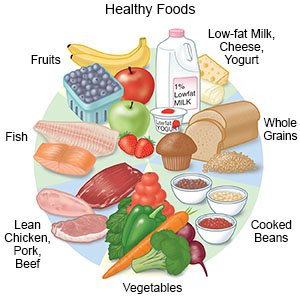
- Eat healthy, well-balanced meals but decrease the amount of high-calorie foods that you eat.
- Get up from the table as soon as you have finished your meal.
- If you get hungry between meals eat sugarless and low-calorie snacks. Chew sugarless gum.
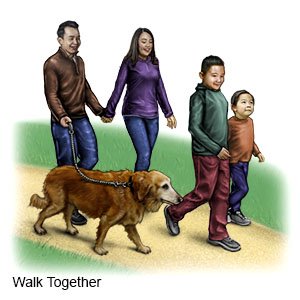
- Take a walk or do some kind of exercise every day. Exercise will also help you cope with stress.
- Brush your teeth or use mouthwash often. Keep your mouth feeling fresh.
Where can I go for support?
- Smokefree.gov
Phone: 1-800-784-8669
Web Address: www.smokefree.gov
- American Cancer Society
Phone: 1-800-227-2345
Web Address: http://www.cancer.org
- American Heart Association National Center
7272 Greenville Avenue
Dallas, TX 75231-4596
Phone: 1-800-242-8721
Web Address: http://www.americanheart.org
- American Lung Association
61 Broadway, 6th floor
New York City, NY 10006
Phone: 1-800-586-4872
Web Address: http://www.lungusa.org
CARE AGREEMENT:
You have the right to help plan your care. To help with this plan, you must learn about how smoking effects your health and how to stop. You can then discuss treatment options with your caregivers. Work with them to decide what care will be used to treat you. You always have the right to refuse treatment.
Copyright © 2008 Thomson Healthcare Inc. All rights reserved. Information is for End User's use only and may not be sold, redistributed or otherwise used for commercial purposes.
The above information is an educational aid only. It is not intended as medical advice for individual conditions or treatments. Talk to your doctor, nurse or pharmacist before following any medical regimen to see if it is safe and effective for you.
| Link to Page | Print Page | Email Page |