
Hellp Syndrome
Medically reviewed by Drugs.com. Last updated on Apr 2, 2024.
What is HELLP syndrome?
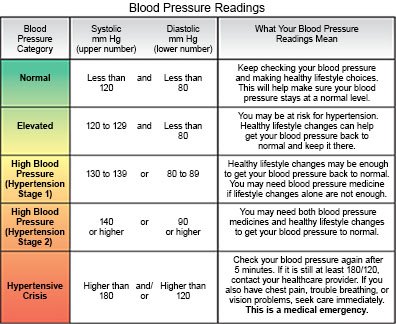
HELLP syndrome is a life-threatening condition that usually occurs in pregnant women who have high blood pressure (BP). Your risk also increases if you had preeclampsia in a past pregnancy or are older than 40 with this pregnancy. HELLP syndrome usually develops between week 20 and the end of pregnancy. It can also develop a few days after the baby is delivered. Get medical care immediately if you have any symptoms of HELLP syndrome.
 |
What health problems can HELLP syndrome cause?
HELLP stands for H emolysis, E levated L iver enzymes, L ow P latelet count:
- Hemolysis is the destruction of red blood cells. Red blood cells deliver oxygen to your body. A lack of oxygen can lead to organ failure.
- Elevated liver enzymes mean your liver is not working correctly to filter your blood. HELLP syndrome can lead to a liver rupture.
- Low platelet count means your blood cannot clot well. Platelets are the sticky part of your blood that helps it clot to stop bleeding.
What are the signs and symptoms of HELLP syndrome?
- Pain on the right side of your upper abdomen, behind the ribs
- Nausea and vomiting
- Headache with vision changes
- Severe fatigue that does not get better with rest
- Difficulty breathing, or pain when you breathe deeply
- Chest or shoulder pain
- Confusion or seizures
- Bleeding or a nosebleed, and the bleeding does not stop quickly
- Weight gain that happens quickly, or swelling in your face, arms, or legs
How is HELLP syndrome diagnosed?
Tell your healthcare provider about your symptoms and when they began. Tell him or her if you have a personal or family history of high BP, HELLP syndrome, or preeclampsia or eclampsia. Blood tests check liver function, how well your blood clots, and if you have enough red blood cells.
How is HELLP syndrome treated?
Giving birth may stop HELLP syndrome. Medicines can delay labor or mature your baby's lungs if he or she is not ready to be born. Medicines can also help lower your blood pressure or prevent seizures. You may need a blood transfusion if you have severe bleeding.
What can I do to care for myself?
- Go to follow-up appointments as directed. Your obstetrician will check your blood pressure regularly until it is normal. He or she may also order other tests.
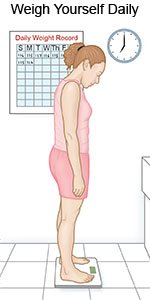
- Check your weight each day. Weigh yourself every day before breakfast. Weight gain can be a sign of extra fluid in your body.
- Do not drink alcohol or smoke. Alcohol, nicotine, and other chemicals in cigarettes and cigars can increase your BP. They can also harm your baby. Ask your healthcare provider for information if you currently drink alcohol or smoke and need help to quit. E-cigarettes or smokeless tobacco still contain nicotine. Talk to your healthcare provider before you use these products.
Call your local emergency number (911 in the US), or have someone call if:
- You lose consciousness.
- You suddenly have trouble breathing.
When should I call my obstetrician?
- Your heart is beating faster than usual, or you are breathing faster than usual.
- The pain on the right side of your upper abdomen gets worse, or spreads to your back.
- You feel weak, dizzy, faint, or sweaty, or you are pale.
- You have a headache that does not go away when you take medicine.
- You have blood in your urine.
- You are urinating less than usual, or not at all.
- You gain weight quickly or notice swelling in your face, arms, or legs.
- You have questions or concerns about your condition or care.
Care Agreement
You have the right to help plan your care. Learn about your health condition and how it may be treated. Discuss treatment options with your healthcare providers to decide what care you want to receive. You always have the right to refuse treatment. The above information is an educational aid only. It is not intended as medical advice for individual conditions or treatments. Talk to your doctor, nurse or pharmacist before following any medical regimen to see if it is safe and effective for you.© Copyright Merative 2024 Information is for End User's use only and may not be sold, redistributed or otherwise used for commercial purposes.
Learn more about Hellp Syndrome
Treatment options
Care guides
Further information
Always consult your healthcare provider to ensure the information displayed on this page applies to your personal circumstances.
