
Endometritis
Medically reviewed by Drugs.com. Last updated on May 6, 2024.
Endometritis is inflammation of the lining of your uterus.
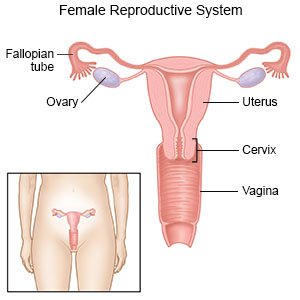 |
DISCHARGE INSTRUCTIONS:
Call your doctor if:
- You feel lightheaded or you have fainted.
- You have vaginal bleeding that is not your monthly period.
- Your symptoms become worse, even after you start treatment with medicine.
- You have a fever.
- Your symptoms come back after treatment.
- You have questions or concerns about your condition or care.
Medicines:
- Antibiotics fight or prevent an infection caused by bacteria.
- Take your medicine as directed. Contact your healthcare provider if you think your medicine is not helping or if you have side effects. Tell your provider if you are allergic to any medicine. Keep a list of the medicines, vitamins, and herbs you take. Include the amounts, and when and why you take them. Bring the list or the pill bottles to follow-up visits. Carry your medicine list with you in case of an emergency.
Treatment options
The following list of medications are related to or used in the treatment of this condition.
Follow up with your doctor or gynecologist as directed:
You may need to return for tests to make sure that your infection is gone. Write down your questions so you remember to ask them during your visits.
© Copyright Merative 2024 Information is for End User's use only and may not be sold, redistributed or otherwise used for commercial purposes.
The above information is an educational aid only. It is not intended as medical advice for individual conditions or treatments. Talk to your doctor, nurse or pharmacist before following any medical regimen to see if it is safe and effective for you.
Learn more about Endometritis
Treatment options
Care guides
Further information
Always consult your healthcare provider to ensure the information displayed on this page applies to your personal circumstances.
