
Dysmenorrhea
Medically reviewed by Drugs.com. Last updated on Sep 1, 2024.
What is dysmenorrhea?
Dysmenorrhea is painful menstrual cramps at or around the time of your monthly period.
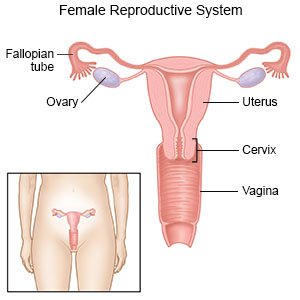 |
What causes dysmenorrhea?
Your body normally produces chemicals each month to help your uterus contract. When too many of these chemicals are made, your uterus contracts too much and causes pain. Dysmenorrhea may also be caused by any of the following:
- Abnormal structure of your uterus or vagina
- A narrow cervix
- Growth in or on your uterus or ovaries
- Medical conditions, such as pelvic inflammatory disease, endometriosis, or uterine fibroids
- A copper intrauterine device (IUD)
What increases my risk for dysmenorrhea?
- Never been pregnant
- Obesity
- Smoking
- Family history of painful menstrual cramps
- Pelvic infection
- Longer monthly period cycle
- Medical conditions, such as a sexually transmitted infection or endometriosis
What are the signs and symptoms of dysmenorrhea?
- Mild to severe pain
- Cramping pain in lower abdomen or low back
- Bloating
- Headache
- Diarrhea
How is dysmenorrhea diagnosed?
Your healthcare provider can usually diagnose dysmenorrhea by your signs and symptoms. Tell him or her when your symptoms started and if you have pain between your monthly periods. He or she may ask if anything relieves your pain, such as heat or medicine. Tell your provider if you are sexually active or have ever been pregnant. You may need any of the following:
- A blood test will check for pregnancy.
- A pelvic exam may be needed to check the size and shape of your uterus and ovaries. Your healthcare provider gently inserts a warmed speculum into your vagina. A speculum is a tool that opens your vagina to show your cervix.
- A cervical culture may be needed to check for infection. Your healthcare provider will use a swab to collect a sample of cells from your cervix. This will be sent to a lab for tests.
- An ultrasound will show abnormal structure of your reproductive organs. Sound waves are used to show pictures on a monitor.
How is dysmenorrhea treated?
Dysmenorrhea can be controlled with lifestyle changes and medicines. It usually improves with age and pregnancy.
- Medicines:
- NSAIDs help decrease swelling and pain or fever. This medicine is available with or without a doctor's order. NSAIDs can cause stomach bleeding or kidney problems in certain people. If you take blood thinner medicine, always ask your healthcare provider if NSAIDs are safe for you. Always read the medicine label and follow directions.
- Birth control medicine may help decrease your pain. This medicine may be birth control pills or an IUD that does not contain copper.
- Transcutaneous electric nerve stimulation (TENS), is a device used to stimulate your nerves and decrease pain. Ask your healthcare provider for more information about TENS.
Treatment options
The following list of medications are related to or used in the treatment of this condition.
How can I manage my symptoms?
- Eat low-fat foods. Increase the amount of vegetables and raw seeds you eat. Ask your healthcare provider if you should take vitamin B or magnesium supplements. These will help decrease your pain. Do not eat dairy products or eggs.
- Apply heat on your lower abdomen for 20 to 30 minutes every 2 hours for as many days as directed. Heat helps decrease pain and muscle spasms.
- Manage your stress. Stress can make your symptoms worse. Try relaxation exercises, such as deep breathing.
- Exercise regularly. Ask your healthcare provider about the best exercise plan for you. Exercise can help decrease pain.

- Keep a record of your pain. Write down when your pain and periods start and stop. Bring the record with you to your follow-up visits.
- Do not smoke. Avoid others who smoke. If you smoke, it is never too late to quit. Smoking can increase your risk for dysmenorrhea. Ask your healthcare provider for information if you need help quitting.
When should I contact my healthcare provider?
- You have anxiety or feel depressed.
- Your periods are early, late, or more painful than usual.
- You have questions or concerns about your condition or care.
When should I seek immediate care or call 911?
- You have severe pain.
- You have heavy vaginal bleeding and you feel faint.
- You have sudden chest pain and trouble breathing.
Care Agreement
You have the right to help plan your care. Learn about your health condition and how it may be treated. Discuss treatment options with your healthcare providers to decide what care you want to receive. You always have the right to refuse treatment. The above information is an educational aid only. It is not intended as medical advice for individual conditions or treatments. Talk to your doctor, nurse or pharmacist before following any medical regimen to see if it is safe and effective for you.© Copyright Merative 2024 Information is for End User's use only and may not be sold, redistributed or otherwise used for commercial purposes.
Learn more about Dysmenorrhea
- Pain Management: Types of Pain and Treatment Options
- Top 9 Things You Must Know About Naproxen
- What are the risks of mixing pain medications and alcohol?
Treatment options
Further information
Always consult your healthcare provider to ensure the information displayed on this page applies to your personal circumstances.