
Dilation and Curettage
Medically reviewed by Drugs.com. Last updated on May 6, 2024.
What do I need to know about dilation and curettage (D&C)?
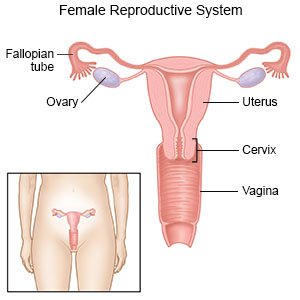
D&C is a procedure to remove tissue from the lining of your uterus.
 |
How do I prepare for a D&C?
- Your healthcare provider will talk to you about how to prepare for your D&C. He or she may tell you not to eat or drink anything after midnight on the day of your procedure. He or she will tell you which medicines to take or not take on the day of your procedure. You may need blood tests before and after your D&C. You may need immune globulin medicine if your blood is Rh-negative, and you had a miscarriage. This medicine helps prevent problems with a future pregnancy.
- You may need a vaginal swab test before your D&C to check for infection. Healthcare providers may place medicine in your cervix to help it dilate. This medicine may be inserted 1 to 2 days before your procedure or the day of your procedure. You may be given an antibiotic through your IV to help prevent a bacterial infection.
What will happen during a D&C?
- You may be given local or epidural anesthesia to numb your procedure area and decrease discomfort. With local or epidural anesthesia, you will be awake during your procedure. Medicine may be given in your IV to help you relax or make you drowsy. You may instead be given general anesthesia to keep you asleep during the procedure. You will lie on your back with your feet in stirrups. A tool called a speculum will be inserted into your vagina to keep it open. Your healthcare provider will check your cervix to see if it is dilated. If needed, he or she may use tools to dilate your cervix.
- Your healthcare provider may use a tool or suction to remove tissue from your uterus. To use suction, your healthcare provider will insert a thin tube into your uterus. The tube is connected to a suction machine or a syringe. The tissue will be removed through the tube. Forceps may be needed to remove larger amounts of tissue. Tissue may be sent to a lab for tests. Medicines may be given to help your uterus tighten, and prevent heavy bleeding.
What should I expect after a D&C?
You will be taken to a recovery room so healthcare providers can watch for heavy bleeding or other problems. You may be able to go home a few hours after your D&C. Have someone drive you home. You may have cramps and spotting or light bleeding for a few days. If you had general anesthesia, have someone stay with you for 24 hours. This is to make sure you do not have a reaction to the anesthesia. It may take a few months for your monthly period to start or become regular.
What are the risks of a D&C?
- If you are awake during your D&C, you may have pain while the tissue is removed. Your uterus, cervix, intestines, or nearby tissue may be torn or damaged. You may have life-threatening blood loss, and need a blood transfusion or another surgery. You may need to have your uterus removed. You may get an infection in your uterus that could spread to your blood and become life-threatening. You may have an allergic reaction to the anesthesia or antibiotics.
- After your D&C, you may have nausea, vomiting, dizziness, or a headache. Scar tissue may form in your uterus. You may need another D&C to remove more tissue from your uterus. If cancer caused your abnormal vaginal bleeding, lab tests may not find the cancer in your uterus. If your D&C was done to end a pregnancy, you have an increased risk for a future miscarriage. You are also at risk for preterm delivery during a future pregnancy.
Care Agreement
You have the right to help plan your care. Learn about your health condition and how it may be treated. Discuss treatment options with your healthcare providers to decide what care you want to receive. You always have the right to refuse treatment. The above information is an educational aid only. It is not intended as medical advice for individual conditions or treatments. Talk to your doctor, nurse or pharmacist before following any medical regimen to see if it is safe and effective for you.© Copyright Merative 2024 Information is for End User's use only and may not be sold, redistributed or otherwise used for commercial purposes.
Further information
Always consult your healthcare provider to ensure the information displayed on this page applies to your personal circumstances.
