Diabetic Ketoacidosis In Children
What is diabetic ketoacidosis?
Diabetic Ketoacidosis In Children Care Guide
Diabetic ketoacidosis (DKA) is a problem that can develop when your child's diabetes mellitus is not controlled. Diabetes prevents your child's body from making enough insulin to decrease the amount of glucose (sugar) in his blood. Insulin is a hormone that helps move blood sugar into body cells to be used for energy. With uncontrolled diabetes, your child do not have enough insulin and the level of sugar in his blood can become higher than is safe. DKA happens when blood sugar is not used for energy and your child's body uses body fat instead. When body fat is used for energy, acidic chemicals called ketones are created in the blood. This is called ketoacidosis. The high sugar level, ketones, and acid in your child's blood can cause him to become very sick.
What are the types of diabetes mellitus?
Your child may have one of the following types of diabetes:
- Type 1 diabetes: Type 1 diabetes is also called insulin-dependent diabetes mellitus (IDDM), or juvenile-onset diabetes. Type 1 diabetes is an autoimmune disease. An autoimmune disease is a condition where your child's defense system attacks some of his own cells. Normally, when your child's blood glucose level increases, the pancreas (an organ that lies behind the stomach) makes insulin. When your child has type 1 diabetes, his body's defense system has destroyed the cells in the pancreas that make insulin.
- Type 2 diabetes: Type 2 diabetes is also called non-insulin dependent diabetes mellitus (NIDDM). Type 2 diabetes can cause insulin resistance. This means your child's pancreas makes insulin but his body cannot use it. The pancreas keeps making insulin to try to control your child's blood sugar. After many years, your child's pancreas may stop making insulin.
What causes diabetic ketoacidosis in children?
DKA may be the first sign that your child has diabetes mellitus. The following may lead to increased blood sugar levels and DKA:
- Your child is not taking or getting the right insulin doses.
- Your child is not taking or getting his insulin at all.
- Your child has an illness or infection.
- Your child's insulin pump stops working correctly.
What increases my child’s risk for diabetic ketoacidosis?
- Your child has had DKA before.
- Your child's blood sugar levels are often higher than they should be.
- Your child had an accident or surgery.
- Your child has been vomiting or has diarrhea from an illness, such as the flu.
- Your child stops taking insulin, such as to lose weight.
- Your child has an eating disorder and does not eat, such as with anorexia.
- Your child has a mental disorder, such as depression.
- Your child does not see a caregiver often enough to help manage his diabetes.
What are the signs and symptoms of diabetic ketoacidosis?
Your child may feel very thirsty, and urinate more than normal. If your child has an illness, he may have a fever. Your child also may have any of the following signs and symptoms:
- Dry mouth, eyes, and skin
- Fast, deep breathing that may sound like he is sighing
- Faster heartbeat than normal
- Abdominal pain, nausea, and vomiting
- Fruity-smelling breath
- Mood changes and irritability (easily angered)
- Feeling very weak, tired, and confused
- Weight loss
How is diabetic ketoacidosis diagnosed?
Your child's caregiver may ask about your child's health history, and any symptoms he is having. If your child has known diabetes, he may ask about how the diabetes is managed. Your child's caregiver will examine your child, and look for signs of dehydration. He will also check your child's height and weight. Your child also may need the following to diagnose DKA:
- Blood tests: Your child's blood will be tested to check his blood sugar and acid levels. Blood tests will also show ketone levels, and if he is lacking body salts from dehydration.
- Urine tests: Your child's urine will be tested for ketones and the level of blood sugar and acid.
- Cultures: Cultures may be done to test your child for an infection. Cultures can be done with your child's blood, urine, or a throat swab.
- Electrocardiogram: An electrocardiogram (ECG) helps caregivers see your child's heart activity. If your child has a low level of potassium, his heartbeat may become abnormal. Sticky pads are placed on your child's chest, arms, and legs. Each pad has a wire that is hooked to a machine or TV-like screen. This machine shows a tracing of your child's heartbeat. This test takes about 5 to 10 minutes. Your child must lie very still during the test.
How is diabetic ketoacidosis treated?
The goal of treatment is to replace lost body fluids and bring blood sugar levels back to normal. Treatment also works to decrease the amount of ketones and acid in your child's body. Treatment may prevent medical problems caused by DKA, and may save your child's life. Your child may have the following treatments:
- IV fluids: Fluids are given through an IV (intravenous) to treat your child's dehydration. An IV is a tube placed in your child's vein so caregivers can give him medicine or liquids. Electrolytes (body salts) may be added to the fluids to replace what has been lost from your child's body. The most common body salt that needs to be replaced is potassium.
- Insulin: Insulin is given to decrease the amount of sugar in your child's blood. Your child may need continuous insulin given until his blood sugar levels become normal. The insulin will also work to decrease the acid level in your child's body.
- Glucose: Glucose may be given when your child's blood sugar levels begin to decrease. This is to prevent low blood sugar while your child is getting continuous insulin.
- Antibiotics: Antibiotics may be given if an infection has led to your child's DKA. Antibiotics will help your child fight an infection caused by germs called bacteria.
What are the risks of diabetic ketoacidosis?
- Treatment may cause your child's blood sugar levels to become too low. Very low blood sugar levels may cause seizures, and your child may become unconscious. Unconscious means your child looks like he is sleeping but you cannot wake him up. Fluid replacement may cause fluid buildup in your child's body, and he may have trouble breathing. Fluids may also cause cerebral edema (water around the brain), which may be life-threatening.
- When your child has DKA and it is not treated, high sugar levels can lead to dehydration (loss of body fluids and salts). The loss of body salts may cause life-threatening abnormal heartbeats. Blood flow to your child's organs may be decreased and cause organs, such as his kidneys, to fail. Decreased blood flow to your child's brain may lead to swelling, seizures, coma, and death. Ask your caregiver for more information about the treatment, care, and risks of DKA.
What can I do to prevent my child from developing diabetic ketoacidosis?
The best way to prevent DKA is to help your child control his diabetes. The following may help decrease your child's risk for DKA:
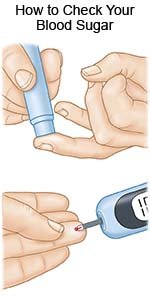
- Check your child's blood sugar levels: Follow your child's caregiver's instructions about when to test your child’s blood sugar levels. If his blood sugar level is too high, give him insulin as directed by his caregiver.

- Check your child's blood and urine for ketones: Follow your child's caregiver's instructions about when you should check your child's blood or urine for ketones. You may be given a special machine to check your child's blood ketones. Urine ketones can be checked with special sticks you dip in your child's urine.
- Know how to manage your child's sick days: When your child is sick, he may not eat as much as he normally does. You may need to change the amount of insulin he gets. You may need to check his blood sugar levels more often. You may also need to check for ketones. Make a plan with your child's caregiver about how to manage your child's diabetes when he is sick.
- Know how your child's insulin pump works: If your child uses an insulin pump, know how to use it, and what the alarms mean.
- Know the signs of DKA: If your child has signs of DKA, give him fluids and insulin as directed by his caregiver.
- Seek help if your child has mental health issues: DKA often develops when a child does not take his insulin as he should. If he does this on purpose, it may be because he has a mental health disorder. Mental health disorders include depression and eating disorders. Talk to a mental health caregiver to help your child cope with his diabetes better.
- Use a 24 hour diabetes team as often as needed: Ask your child's caregiver about a diabetes healthcare team that you can call 24 hours a day. Call the team if your child’s blood sugar is high, or he has ketones in his blood or urine. A 24 hour diabetes team is available for any questions or concerns you may have about your child's care.
How can I help manage my child's diabetes?
It is very important to manage your child’s diabetes. When your child has poorly controlled diabetes, he may not grow and develop as he should. If your child is old enough, you can work with him to keep his diabetes controlled. Talk to your child’s caregiver about what blood sugar levels are safe for your child. Make sure you celebrate even small successes with your child. You can also do the following to help manage your child's diabetes:
- Do not smoke around your child or allow him to smoke: People who have diabetes are at an increased risk for other diseases. Smoking, and being around others who smoke, increases the risk even more. If your child smokes, ask your caregiver for information about how to help him stop. If you smoke, do not smoke around your child, and do not allow others to smoke around your child.
- Have your child wear or carry medical alert identification: Your child should wear a bracelet or necklace, or carry a card that says he has diabetes. This can help others know your child has diabetes if he becomes ill. Ask your child's caregiver where you can get medical alert identification.
- Get yearly eye exams for your child: Diabetes can cause changes in your child's vision. Diabetes can also lead to eye damage if it is not managed properly. Make sure your child sees a caregiver to check his eyes each year.
- Keep a diary of your child's blood sugar levels: Write down your child's blood sugar levels, and the times they were done. Bring the diary to each of your child's visits with his caregiver. The diary can be used to show your child's caregiver how well his diabetes is controlled.
- Make sure your child eats healthy foods: Your child may need to change the way he eats to control his blood sugar. Foods lower in sugar, fat, and cholesterol are best. Your child should eat a variety of healthy foods from each food group every day. Include fruits, vegetables, breads, dairy products, and protein (such as chicken, fish, and beans). Healthy foods may help him feel better and have more energy. Your child's caregiver or dietitian can help you and your child plan meals and snacks together.
- Make sure your child exercises: Your child should exercise 30 to 60 minutes a day, at least 5 days a week. Exercise may increase his energy and help with weight control. Exercise also helps reduce the risk for other diseases, such as high blood pressure and heart problems. Do not start the exercise program until you talk to your child’s caregiver. Ask him about how exercise can cause changes in your child’s blood sugar level. Caregivers will tell you what your child's blood sugar should be before and after exercising.
- Always have a carbohydrate snack available for your child during and after his exercise in case his blood sugar gets too low.
- Do not let your child exercise if his blood sugar level is less than 100 mg/dl: If his blood sugar level is less than 100 mg/dL, have him eat or drink a carbohydrate snack before he exercises.
- Your child should avoid vigorous activities if he has ketones in his urine.
- Always have a carbohydrate snack available for your child during and after his exercise in case his blood sugar gets too low.
- Make sure your child is vaccinated: Vaccinations are a shot of medicine to help prevent your child from getting sick. Ask your child's caregiver about the vaccinations that your child may need.
- Influenza vaccine: This vaccine helps prevent influenza (flu). Everyone older than age 6 months should get a yearly influenza vaccine. Get the vaccine as soon as it is available, usually in October or November each year.
- Pneumococcal vaccine: Your child should also get an extra pneumococcal vaccine when he is 2 years old or older.
- Influenza vaccine: This vaccine helps prevent influenza (flu). Everyone older than age 6 months should get a yearly influenza vaccine. Get the vaccine as soon as it is available, usually in October or November each year.
- Talk to officials at your child's school: Make sure your child's teachers know he has diabetes. Provide instructions about what to do if your child has symptoms of high or low blood sugar levels at school.
Where can I find support and more information about diabetic ketoacidosis?
DKA may be hard for your child. Talk to your child's caregivers, family, or friends about your feelings. You can also contact the following:
- American Diabetes Association
1701 North Beauregard Street
Alexandria , VA 22311
Phone: 1- 800 - 342-2383
Web Address: http://www.diabetes.org
- National Diabetes Information Clearinghouse
1 Information Way
Bethesda , MD 20892-3560
Phone: 1- 800 - 860-8747
Web Address: www.diabetes.niddk.nih.gov/
When should I contact my child's caregiver?
Contact your child's caregiver if:
- Your child's blood sugar levels are lower or higher than his caregiver says they should be.
- Your child has a fever or chills.
- Your child has ketones in his blood or urine.
- Your child is more thirsty than usual.
- Your child is urinating more often than he usually does.
- You have questions or concerns about your child's condition or treatment.
When should I seek immediate care for my child?
Seek care immediately or call 911 if:
- Your child has a fruity smell on his breath.
- Your child has very bad, new stomach pain, and is vomiting.
- Your child is more drowsy or sleepy than normal.
- Your child begins to breathe fast, or is short of breath.
- Your child becomes weak and confused.
- Your child has a seizure, or becomes unconscious (you cannot wake him up).
Care Agreement
You have the right to help plan your child's care. Learn about your child's health condition and how it may be treated. Discuss treatment options with your child's caregivers to decide what care you want for your child.
Copyright © 2012. Thomson Reuters. All rights reserved. Information is for End User's use only and may not be sold, redistributed or otherwise used for commercial purposes.
The above information is an educational aid only. It is not intended as medical advice for individual conditions or treatments. Talk to your doctor, nurse or pharmacist before following any medical regimen to see if it is safe and effective for you.
Learn more about Diabetic Ketoacidosis In Children
Drugs associated with:
Micromedex Care Notes:
Related encyclopedia articles: