
Colposcopy
Medically reviewed by Drugs.com. Last updated on Apr 2, 2024.
What do I need to know about a colposcopy?
A colposcopy is a procedure to look at your cervix and inside your vagina. You may need a colposcopy if abnormal cells are found on a Pap smear or you were treated for cervical or vaginal problems. Abnormal bleeding, pelvic pain, or genital warts are also reasons for a colposcopy.
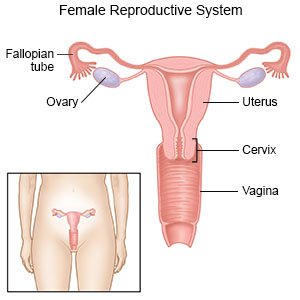 |
How do I prepare for a colposcopy?
- Your healthcare provider will talk to you about how to prepare for your procedure. You may need to arrange to have someone drive you home after the procedure.
- Do not douche, use tampons, or have sex for 24 hours before the procedure. Do not put medicines in your vagina for 24 hours before the procedure.
- Call your healthcare provider if you have your menstrual period on the day of the procedure. You may need to wait until your period ends to have the procedure.
- Your healthcare provider may tell you take ibuprofen before your procedure to decrease cramping.
What will happen during a colposcopy?
- Your healthcare provider will insert a speculum in your vagina. A speculum is an instrument that holds the vagina open so your provider can see your cervix. The provider will place a colposcope near the opening to your vagina. A colposcope has a magnifying lens that helps your provider see your cervix better. The provider will apply a liquid to your cervix. The liquid helps your provider see abnormal areas more clearly. You may feel burning or tingling when the liquid is applied.
- If abnormal areas are seen, your healthcare provider may place a numbing medicine on your cervix. He or she will take a biopsy (samples) of tissue from your cervix. The samples can be sent to a lab and tested for cancer or infection. You may feel pain or cramping when the sample is taken. Your healthcare provider may place medicine on your cervix to control bleeding.
What should I expect after a colposcopy?
- You may have cramps and light bleeding or spotting after the procedure. These usually only last a few hours.
- You may have cramps and bleeding for several days if samples were taken. You may have brown or black discharge if medicine was used to control bleeding.
- Your healthcare provider will tell you when to come in for a follow-up visit. This is usually 1 to 3 weeks after the procedure. You may also get results of a biopsy during that visit.
What are the risks of a colposcopy?
Yo may bleed more than expected or get an infection. A biopsy of your cervix may cause problems with future pregnancies, such as preterm labor or miscarriage.
Care Agreement
You have the right to help plan your care. Learn about your health condition and how it may be treated. Discuss treatment options with your healthcare providers to decide what care you want to receive. You always have the right to refuse treatment. The above information is an educational aid only. It is not intended as medical advice for individual conditions or treatments. Talk to your doctor, nurse or pharmacist before following any medical regimen to see if it is safe and effective for you.© Copyright Merative 2024 Information is for End User's use only and may not be sold, redistributed or otherwise used for commercial purposes.
Further information
Always consult your healthcare provider to ensure the information displayed on this page applies to your personal circumstances.
