
Chronic Wounds
Medically reviewed by Drugs.com. Last updated on Sep 1, 2024.
A chronic wound is a wound that does not heal completely in 6 weeks. A wound is an injury that causes a break in the skin. There may also be damage to nearby tissues. Examples of wounds that can become chronic are deep ulcers (open sores), large burns, and infected cuts.
DISCHARGE INSTRUCTIONS:
Call your doctor if:
- You have a fever.
- You have increased or new pain, swelling, redness, or bleeding in or around your wound.
- You have pus or a foul odor coming from your wound.
- Your skin itches or has a rash.
- You have open sores, blisters, or changes in the color or temperature of your skin.
- You have questions or concerns about your condition or care.
Medicines:
You may need any of the following:
- NSAIDs , such as ibuprofen, help decrease swelling, pain, and fever. This medicine is available with or without a doctor's order. NSAIDs can cause stomach bleeding or kidney problems in certain people. If you take blood thinner medicine, always ask if NSAIDs are safe for you. Always read the medicine label and follow directions. Do not give these medicines to children younger than 6 months without direction from a healthcare provider.
- Acetaminophen decreases pain and fever. It is available without a doctor's order. Ask how much to take and how often to take it. Follow directions. Read the labels of all other medicines you are using to see if they also contain acetaminophen, or ask your doctor or pharmacist. Acetaminophen can cause liver damage if not taken correctly.
- Antibiotics may be given to prevent or treat an infection caused by bacteria.
- Take your medicine as directed. Contact your healthcare provider if you think your medicine is not helping or if you have side effects. Tell your provider if you are allergic to any medicine. Keep a list of the medicines, vitamins, and herbs you take. Include the amounts, and when and why you take them. Bring the list or the pill bottles to follow-up visits. Carry your medicine list with you in case of an emergency.
What you need to know about wound care:
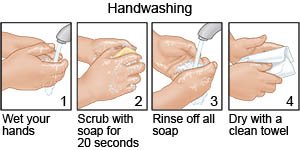
- Wash your hands before and after you take care of your wound.
- Keep the bandage clean and dry. Do not stop using the bandage on your wound unless your healthcare provider says it is okay.
- Clean the wound and change the dressing as often as directed by your provider.
Eat healthy foods and drink liquids as directed:
Healthy foods give your body the nutrients it needs to heal your wound. Liquids prevent dehydration that can decrease the blood supply to your wound. Healthy foods include fruits, vegetables, grains (breads and cereals), dairy, and protein foods. Protein foods include meat, fish, nuts, and soy products. Protein, calories, vitamin C, and zinc help wounds heal. Ask for more information about the foods you should eat to improve healing.
Do not smoke:
If you smoke, it is never too late to quit. Smoking delays wound healing. Smoking also increases your risk for infection after surgery. Ask your healthcare provider for information if you need help quitting.
Prevent pressure wounds:
Pressure wounds can develop when blood flow to an area is blocked. For example, you sit or lie in the same position without moving and put pressure on your heels. You can prevent pressure wounds by doing any of the following:
- Change your position every 15 minutes while you are sitting.
- Change your position every 2 hours while you lie in bed.
- Prop your legs on pillows to lift your heels while you are lying down.
- Check your skin or have someone else check your skin daily. Check the areas that are common to pressure wounds, such as elbows, heels, and buttocks. Common early signs of pressure wounds are open sores, blisters, or changes in color or temperature.
Follow up with your doctor as directed:
You need to return to have your wound checked. You may also need to have the bandage changed. Write down your questions so you remember to ask them during your visits.
© Copyright Merative 2024 Information is for End User's use only and may not be sold, redistributed or otherwise used for commercial purposes.
The above information is an educational aid only. It is not intended as medical advice for individual conditions or treatments. Talk to your doctor, nurse or pharmacist before following any medical regimen to see if it is safe and effective for you.
Further information
Always consult your healthcare provider to ensure the information displayed on this page applies to your personal circumstances.