Chronic Fatigue Syndrome
WHAT YOU SHOULD KNOW:
Chronic fatigue (fah-TEEG) syndrome (CFS) is a long-term illness that can be hard to diagnose. It is also called "chronic fatigue and immune-dysfunction syndrome" (CFIDS). The main symptom of CFS is extreme tiredness (fatigue) that may make it hard or impossible to do everyday tasks. Some people with CFS cannot work, and some cannot even get out of bed at times. CFS may also cause many other symptoms. There is no cure for CFS. However, you may decrease some symptoms with treatment and lifestyle changes.
AFTER YOU LEAVE:
Medicines:
- Keep a written list of the medicines you take, the amounts, and when and why you take them. Bring the list of your medicines or the pill bottles when you see your caregivers. Learn why you take each medicine. Ask your caregiver for information about your medicine. Do not take any medicines, over-the-counter drugs, vitamins, herbs, or food supplements without first talking to caregivers.
- Always take your medicine as directed by caregivers. Call your caregiver if you think your medicines are not helping or if you feel you are having side effects. Remember that some medicines may take several weeks before they start helping. Do not quit taking your medicines until you discuss it with your caregiver.
- People with CFS are often more sensitive to medicines, and may need much lower doses (amounts) than other people. Work with your caregiver to find the medicines and doses that are right for you. People with CFS also have a higher risk of having a bad reaction to vaccines. Ask your caregiver before getting a flu or pneumonia (noo-MOH-nyah) shot. Keep a list of your allergies (AL-er-jees) with you.
- If you are taking medicine that makes you drowsy, do not drive or use heavy equipment.
- Teach a family member or a friend about your medicine schedule. They can help you if you are having problems remembering to take your medicine.
When is my next doctor's appointment?
Ask your caregiver when to return for a follow-up visit. Keep all appointments. Write down any questions you may have. This way you will remember to ask these questions during your next visit.
Activity and home care: Your caregiver may suggest some of the following treatments or lifestyle changes to help decrease your CFS symptoms:
- Diet:
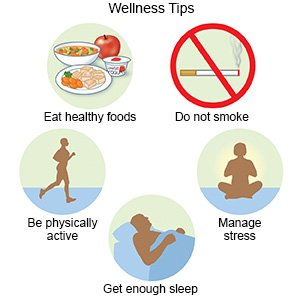
- Eat healthy foods from all five food groups: fruits, vegetables, meats and fish, breads, and dairy products. Eating healthy foods may help you feel better and have more energy. Cut back on animal fats and high sugar foods and drinks. For example, a baked chicken breast has less animal fat than a fried hamburger. Examples of high sugar foods and drinks include soda pop and candy bars. Avoid alcoholic beverages. You may find that certain foods (such as spicy foods) bother you more than before. If so, you will need to avoid these foods.
- Some people with CFS feel bad if they try to be upright (sit or stand). If this is a problem for you, be sure to drink enough water. Have eight (8-ounce) cups of water a day. Your caregiver may also suggest that you eat more salt. Ask your caregiver about diet changes that may be right for you.
- Eat healthy foods from all five food groups: fruits, vegetables, meats and fish, breads, and dairy products. Eating healthy foods may help you feel better and have more energy. Cut back on animal fats and high sugar foods and drinks. For example, a baked chicken breast has less animal fat than a fried hamburger. Examples of high sugar foods and drinks include soda pop and candy bars. Avoid alcoholic beverages. You may find that certain foods (such as spicy foods) bother you more than before. If so, you will need to avoid these foods.
- Pace yourself: It is tempting to do too many activities during times when you feel better. Do not try to get everything done on "good" days. Doing too much can worsen CFS symptoms in the following days. Learn about how much you can do without getting too tired, and pace yourself. Having a regular daily routine may help you avoid doing too much on days you feel better. Do your daily activities when you have the most energy. Accept that you may not be able to do everything that you used to do. It may take time for you to learn what activity levels will not make your CFS symptoms worse.
- Exercise: Get regular exercise, but decrease your activity if it causes fatigue or other symptoms. You may need to set new goals while you are ill. For example, set a goal of exercising for five minutes instead of your usual 30 minutes. It is best to start slowly and do more as you get stronger. Stop if you get too tired. Exercise can help keep you from losing too much of your strength while you are ill. Ask your caregiver to help you plan the best exercise program for you.
- Rest: Rest is the most important treatment for CFS. Take naps and change your schedule to fit your energy level. You may need to take five to 10 minute rest periods every hour or more. Try to go to bed and wake up at the same times every day.
- Joint or muscle aches:
- Use heat to help with aches in your joints or muscles. Use a heating pad (turned on low), a hot water bottle, or sit in a warm water bath. Do this for 20 minutes out of every hour, for as long as you need it. Do not sleep on the heating pad or hot water bottle. This can cause a bad burn.
- Some people find that ice works better to decrease muscle or joint aches. Put the ice in a plastic bag and cover it with a towel. Place this over the painful area for 20 minutes out of every hour, for as long as you need it. Do not put the ice pack directly on the skin because you can get frostbite.
- Use heat to help with aches in your joints or muscles. Use a heating pad (turned on low), a hot water bottle, or sit in a warm water bath. Do this for 20 minutes out of every hour, for as long as you need it. Do not sleep on the heating pad or hot water bottle. This can cause a bad burn.
- Quit smoking: It is never too late to quit smoking. You are more likely to have a heart attack, lung disease, and cancer if you smoke. CFS symptoms such as tiredness or forgetfulness may make it dangerous for you to handle a lighted cigarette. CFS may also make you more sensitive to the bad effects of tobacco. You will help yourself and those around you by not smoking. Ask your caregiver for more information about how to stop smoking if you are having trouble quitting.
- Other tips to help you deal with CFS:
- Use a diary or calendar to keep track of how you are doing from day to day. Write down your activities, symptoms, and your feelings. This record will help you learn when you have the most energy. You will also be able to follow your progress. Bring this diary with you when seeing your caregiver.
- If you are having trouble with your memory, write yourself notes to remind you to do things. Give yourself more time to do activities that need more attention. Setting an alarm clock may help you remember when to exercise, take your medicines, or do other activities.
- Use a diary or calendar to keep track of how you are doing from day to day. Write down your activities, symptoms, and your feelings. This record will help you learn when you have the most energy. You will also be able to follow your progress. Bring this diary with you when seeing your caregiver.
Dealing with stress: CFS and the problems it may cause can cause a lot of stress in your life. Stress may make your symptoms worse. Decreasing stress is especially hard for people who have CFS. The following are ways to help you cope:
- Emotional support: Your life may change a lot because of your CFS. You and those close to you may feel scared, depressed, angry, or sad. These are normal feelings. Talk to your caregivers, family, or friends about your feelings. Emotional support is important for you during this time. You may need counseling or special therapy to help you cope. Cognitive (COG-ni-tiv) behavior therapy can teach you how to deal with changes in your relationships and lifestyle. Family therapy can help you and your family members deal with the stress of CFS.
- Relaxation: Learn new ways to relax and decrease stress, such as deep breathing, meditation (med-i-TAY-shun), or muscle relaxation. Music therapy, hypnosis, or biofeedback may also help. Ask your caregiver for more information about relaxation methods that may be right for you.
- Support groups and other resources: Some people find it helpful to talk with others who are also living with CFS. Support groups and national organizations can help you learn more about CFS. Ask your caregiver for a support group in your area, or contact the following organizations:
- Chronic Fatigue and Immune Dysfunction Syndrome Association of America
P.O. Box 220398
Charlotte, NC 28222-0398
Phone: 1-704-365-2343
Web Address: http://www.cfids.org
- National Chronic Fatigue Syndrome and Fibromyalgia Association
PO Box 18426
Kansas City, MO 64133
Phone: 1-816-313-2000
Web Address: http://www.ncfsfa.org
- Chronic Fatigue and Immune Dysfunction Syndrome Association of America
CONTACT A CAREGIVER IF:
- You have a fever (increased body temperature).
- You have new symptoms that you are worried about.
- You have questions or concerns about CFS or your medicine.
SEEK CARE IMMEDIATELY IF:
- You think about hurting yourself (committing suicide) or hurting someone else.
Copyright © 2008 Thomson Healthcare Inc. All rights reserved. Information is for End User's use only and may not be sold, redistributed or otherwise used for commercial purposes.
The above information is an educational aid only. It is not intended as medical advice for individual conditions or treatments. Talk to your doctor, nurse or pharmacist before following any medical regimen to see if it is safe and effective for you.
| Link to Page | Print Page | Email Page |