
Cataracts
Medically reviewed by Drugs.com. Last updated on Aug 4, 2025.
What are cataracts?
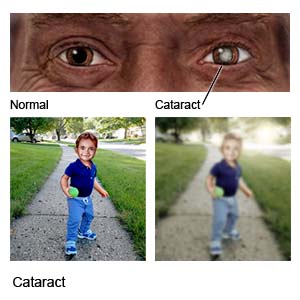
A cataract is a clouding of the eye lens. The lens works with the cornea to bend light as it passes through to the retina. It is normally clear. A cloudy lens makes it hard for light to pass through. Your vision may be cloudy, hazy, and blurred. You may develop a cataract in one or both eyes.
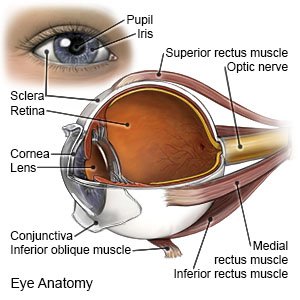 |
What increases my risk for cataracts?
- Age 65 years or older
- A medical condition such as diabetes, low blood calcium, or high blood pressure
- Your eyes being exposed to sunlight or x-rays
- Long-term steroid use
- Alcohol use, or smoking cigarettes
- Family history of cataracts
What are the signs and symptoms of cataracts?
- Increasing loss of vision sharpness
- Cloudy, foggy, fuzzy, or hazy blurring of vision
- A halo appears around lights
- Headlights and sun may seem very bright
- Double vision
- Colors appear faded
- Loss of vision
 |
How are cataracts diagnosed?
Your healthcare provider may notice a cloudy appearance when looking at your eyes. He or she may also do any of the following:
- A visual acuity test is used to check your vision, eye pressure, and eye movements.
- Ophthalmoscopy is used to see the back of your eyes. Eyedrops may be used to dilate your pupils.
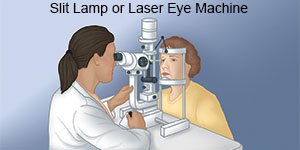
- A slit-lamp test is used to look into your eye with a microscope with a strong light.
How are cataracts treated?
You may need a different prescription for your glasses in the early stages of cataracts. Cataract lens removal surgery is a very common surgery. Your lens will be removed and replaced with an artificial lens.
How can I protect my eyes?
- Wear sunglasses to protect your eyes from the sunlight and prevent eye discomfort. Make sure the sunglasses have UV protection.
- Do not smoke. Cigarette smoking increases your risk for cataracts. Ask your healthcare provider for information if you currently smoke and need help to quit. E-cigarettes or smokeless tobacco still contain nicotine. Talk to your healthcare provider before you use these products.
When should I seek immediate care?
- You suddenly lose your eyesight.
- You feel a sudden, sharp pain in your eye.
When should I call my doctor?
- You have questions or concerns about your condition or care.
Care Agreement
You have the right to help plan your care. Learn about your health condition and how it may be treated. Discuss treatment options with your healthcare providers to decide what care you want to receive. You always have the right to refuse treatment. The above information is an educational aid only. It is not intended as medical advice for individual conditions or treatments. Talk to your doctor, nurse or pharmacist before following any medical regimen to see if it is safe and effective for you.© Copyright Merative 2025 Information is for End User's use only and may not be sold, redistributed or otherwise used for commercial purposes.
Further information
Always consult your healthcare provider to ensure the information displayed on this page applies to your personal circumstances.