
Brown Recluse Spider Bite
Medically reviewed by Drugs.com. Last updated on Jun 30, 2025.
What do I need to know about a brown recluse spider bite?
Brown recluse spiders are venomous. The venom may cause severe skin and tissue damage after several hours or days.
What are the signs and symptoms of a brown recluse spider bite?
You may not feel anything at first. Within hours of the bite, you may feel mild burning or irritation in the bite wound. You may have any of the following:
- Severe swelling and pain at the site
- Blister that is blue in the center and ringed by redness
- Pimple-like lesion with yellow or green pus
- Ulceration (break in skin or mucous membrane)
- Rash that itches
- Dark urine
- Fever, chills, nausea and vomiting, or seizures
- Joint pain
How is a brown recluse spider bite diagnosed?
Your healthcare provider will ask about your symptoms and examine the injured area. Your provider may ask about your medical history. You may need to have blood or urine tests or a skin biopsy. If you are able to capture the spider safely, bring it to your provider.
How is a brown recluse spider bite treated?
The bite wound may heal on its own, but you will need treatment if the wound gets worse. It is important to clean the wound site with soap and water. You may need any of the following:
- Medicines may be given to help prevent or treat pain, itching, or a bacterial infection. There is no antivenom available for a brown recluse spider bite. You may also need a booster vaccine called Td if it has been at least 10 years since your last dose. The Td vaccine helps prevent tetanus. Tetanus is a disease that can develop after a puncture wound.
- Surgery may be done if the damaged tissue around your wound becomes large and needs to be removed. Your healthcare provider will clean the area and remove dead tissues to help the wound heal faster.
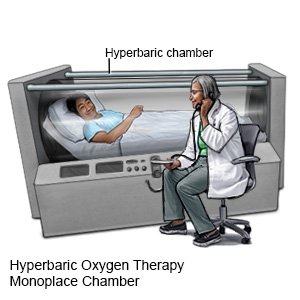
- Hyperbaric oxygen therapy used to get more oxygen into your body. The oxygen is given under pressure to help it get into your tissues and blood. You may need to have this therapy more than 1 time.
How do I manage a brown recluse spider bite?
- Rest the area as directed. This will help your wound heal.
- Ice the wound. Ice helps decrease swelling and pain. Put ice in a plastic bag. Wrap the bag with a towel and put it on the site of the spider bite for 10 to 20 minutes.
- Elevate the wound. Keep the bite area above the level of your heart to help decrease redness and swelling. If you were bitten on the arm or leg, prop it on pillows to keep the area elevated comfortably.
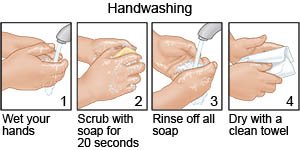
- Clean your wound with mild soap and water. Wash your hands before and after you take care of your wound. Pat the area dry. Do not rub the wound. Clean your wound as often as directed by your healthcare provider.
- Carefully check the wound and the area around it. Watch for more swelling, redness, or fluid oozing out. Apply gentle pressure to stop any bleeding.
- Cover your wound. Use a sterile gauze bandage or other dressing as directed by your healthcare provider. If the bandage should be wrapped around your arm or leg, wrap it snugly but not too tight. It is too tight if you feel tingling or lose feeling in that area. Keep the bandage clean and dry.
How can a I prevent a brown recluse spider bite?
- Recognize the spider. Brown recluse spiders are usually brown and have a pattern on the back that looks like a violin.
- Learn where to find them. Brown recluse spiders live in the central and southern parts of the United States. They can be found from April to October and are active at night. They prefer to live in dark, warm, dry places. Some examples are under rocks, boards, and woodpiles, in dark corners, and under furniture.
- Use caution. Brown recluse spiders are not aggressive. They bite people only when threatened. Make noise when you enter attics or other spaces where spiders may live. Noise may scare them away. Use caution when you remove a web or spider.
- Be proactive. Clean closets, sheds, and attics completely. Shake out clothes or shoes that are lying on the floor or stored before you put them on. Check your sheets before you get into bed. Remove woodpiles and other trash from outside areas, especially piles where spiders can live. Wear gloves, long sleeved shirts, pants, and shoes when you work near wood or garbage piles.
Call your local emergency number (911 in the US) if:
- You have trouble talking, walking, or breathing.
When should I seek immediate care?
- You have a fever or chills.
- The skin around your wound gets red, or the wound gets more painful.
- You have a headache or nausea with vomiting.
- You have numbness or tingling in the bite area.
- Your urine is darker, or you urinate less than is usual for you.
- Your wound does not stop bleeding even after you apply pressure.
- Your wound or bandage has pus or a bad smell.
When should I call my doctor?
- You have a rash, itching, or swelling after you take your medicine.
- The bite becomes red and swollen.
- You have pain or problems moving the injured part or get tender lumps in the groin or armpits.
- Your wound continues to get larger.
- You have questions or concerns about your condition or care.
Care Agreement
You have the right to help plan your care. Learn about your health condition and how it may be treated. Discuss treatment options with your healthcare providers to decide what care you want to receive. You always have the right to refuse treatment. The above information is an educational aid only. It is not intended as medical advice for individual conditions or treatments. Talk to your doctor, nurse or pharmacist before following any medical regimen to see if it is safe and effective for you.© Copyright Merative 2025 Information is for End User's use only and may not be sold, redistributed or otherwise used for commercial purposes.
Further information
Always consult your healthcare provider to ensure the information displayed on this page applies to your personal circumstances.