
Barbiturate Use Disorder
Medically reviewed by Drugs.com. Last updated on Sep 1, 2024.
Barbiturate use disorder is a medical condition that develops from long-term misuse of a barbiturate. You are not able to stop even though the misuse causes physical or social problems. Barbiturate use disorder is also called barbiturate abuse.
DISCHARGE INSTRUCTIONS:
Call your local emergency number (911 in the US) or have someone call if:
- You have chest pain or breathing problems.
- You feel like hurting or killing yourself or someone else.
- You have a seizure.
Return to the emergency department if:
- You faint.
- You have hallucinations.
Call your doctor or therapist if:
- You have questions or concerns about your condition or care.
Medicines:
- Your dose will be gradually decreased by your healthcare provider to help prevent withdrawal symptoms.
- Antianxiety medicine may be given to decrease anxiety and help you feel calm and relaxed.
- Take your medicine as directed. Contact your healthcare provider if you think your medicine is not helping or if you have side effects. Tell your provider if you are allergic to any medicine. Keep a list of the medicines, vitamins, and herbs you take. Include the amounts, and when and why you take them. Bring the list or the pill bottles to follow-up visits. Carry your medicine list with you in case of an emergency.
Therapy
may be offered in a hospital, outpatient facility, or treatment center. Your healthcare provider can help you make decisions about therapy treatment. The goal is to help you decrease or stop taking the barbiturate. The following are common types of therapy:
- Cognitive behavioral therapy (CBT) can help you manage depression and anxiety caused by barbiturate use disorder. CBT can be done with you and a talk therapist or in a group with others.
- Motivational enhancement therapy can help you set and reach healthy, positive goals.
- Twelve-step facilitation (TSF) is a short, structured approach to reach early recovery. It is done one-to-one with a therapist in 12 to 15 sessions.
What you need to know about barbiturate safety:
- Do not mix barbiturates with medicines, drugs, or alcohol. The combination can cause an overdose, or cause you to stop breathing.
- Learn about the signs of an overdose so you know how to respond. Tell others about these signs so they will know what to do if needed.
- Keep barbiturates out of the reach of children. Store them in a locked cabinet or in a location that children cannot get to.
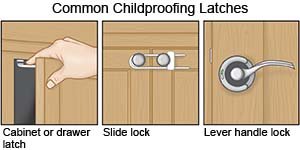
Follow up with your doctor or therapist as directed:
Write down your questions so you remember to ask them during your visits.
For support and more information:
- Substance Abuse and Mental Health Services Administration (SAMHSA)
PO Box 2345
Rockville , MD 20847-2345
Web Address: http://www.samhsa.gov or https://dpt2.samhsa.gov/treatment/
- National Institute on Drug Abuse
6001 Executive Boulevard, Room 5213
Bethesda , MD 20892-9561
Phone: 1- 301 - 443-1124
Web Address: www.nida.nih.gov
© Copyright Merative 2024 Information is for End User's use only and may not be sold, redistributed or otherwise used for commercial purposes.
The above information is an educational aid only. It is not intended as medical advice for individual conditions or treatments. Talk to your doctor, nurse or pharmacist before following any medical regimen to see if it is safe and effective for you.
Learn more about Barbiturate Use Disorder
- Bath Salts Drug
- Blood Doping: Lance Armstrong and the USPS Pro Cycling Team
- Can a Drug Test Lead to a False Positive?
- Cannabis: Uses, Effects and Safety
- Cocaine
- Devil's Breath: Urban Legend or the World's Most Scary Drug?
- Drug and Substance Abuse
- Ecstasy
- GHB or Gamma-Hydroxybutyrate
- Hashish
- Heroin
Treatment options
Care guides
Further information
Always consult your healthcare provider to ensure the information displayed on this page applies to your personal circumstances.