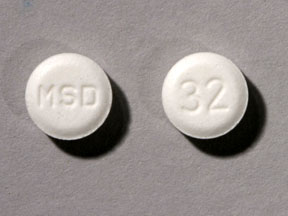
Stromectol Side Effects
Generic name: ivermectin
Medically reviewed by Drugs.com. Last updated on Dec 20, 2023.
Note: This document contains side effect information about ivermectin. Some dosage forms listed on this page may not apply to the brand name Stromectol.
Applies to ivermectin: oral tablet.
Serious side effects of Stromectol
Along with its needed effects, ivermectin (the active ingredient contained in Stromectol) may cause some unwanted effects. Although not all of these side effects may occur, if they do occur they may need medical attention.
Check with your doctor immediately if any of the following side effects occur while taking ivermectin:
More common
- Difficulty in moving
- muscle pain or stiffness
- pain in the joints
- swollen, painful, or tender lymph glands in the armpit
Less common
- Black, tarry stools
- bloating or swelling of the face, arms, hands, lower legs, or feet
- chest pain
- chills
- cold sweats
- cough
- dizziness or lightheadedness
- dizziness, faintness, or lightheadedness when getting up from lying or sitting position
- eye or eyelid irritation, pain, redness, or swelling
- fast, pounding, or irregular heartbeat or pulse
- feeling of constant movement of self or surroundings
- fever
- painful or difficult urination
- rapid weight gain
- sensation of spinning
- shakiness in the legs, arms, hands, or feet
- sore throat
- sores, ulcers, or white spots on the lips or in the mouth
- swollen glands
- tingling of the hands or feet
- trembling or shaking of the hands or feet
- trouble breathing
- unusual bleeding or bruising
- unusual sleepiness
- unusual tiredness or weakness
- unusual weight gain or loss
Rare
- Agitation
- back pain
- bloody eye
- blurred vision
- change in consciousness
- confusion
- decreased awareness or responsiveness
- difficulty in standing or walking
- hallucinations
- headache
- irritability
- loss of bladder control
- loss of bowel control
- loss of consciousness
- mood or mental changes
- redness of the eye
- seizures
- stiff neck
- unusual dullness or feeling of sluggishness
- vomiting
Incidence not known
- Blistering, peeling, or loosening of the skin
- burning, dry, or itching eyes
- change in consciousness
- confusion about identity, place, and time
- dark urine
- diarrhea
- discharge, excessive tearing
- light-colored stools
- loss of consciousness
- red skin lesion often with a purple center
- sensitivity of the eye to light
- swelling of the eyelids
- tearing
- upper right abdominal or stomach pain
- yellow eyes and skin
Get emergency help immediately if any of the following symptoms of overdose occur while taking ivermectin:
Symptoms of overdose
- Confusion about identity, place, and time
- decreased awareness or responsiveness
- severe sleepiness
Other side effects of Stromectol
Some side effects of ivermectin may occur that usually do not need medical attention. These side effects may go away during treatment as your body adjusts to the medicine. Also, your health care professional may be able to tell you about ways to prevent or reduce some of these side effects.
Check with your health care professional if any of the following side effects continue or are bothersome or if you have any questions about them:
Less common
- Constipation
- lack or loss of strength
- loss of appetite
- stomach pain
- swelling or puffiness of the face
For Healthcare Professionals
Applies to ivermectin: compounding powder, oral tablet.
General
Ivermectin (the active ingredient contained in Stromectol) is well tolerated compared to other microfilaricidal agents (i.e., thiabendazole, diethylcarbamazine). Adverse reactions (i.e., pruritus, fever, rash, myalgia, headache) occur commonly during the first 3 days after treatment and appear to be related to the extent of parasitic infection and systemic mobilization and killing of microfilariae. The majority of reactions can usually be treated with aspirin, acetaminophen and/or antihistamines. Adverse effects tend to occur with lesser frequency during periods of retreatment.[Ref]
Ocular
Ocular side effects have included eyelid edema, anterior uveitis, blurred vision, conjunctivitis, limbitis, punctate opacity, keratitis, abnormal sensation in the eyes, and chorioretinitis/choroiditis; however, these effects are also associated with the disease onchocerciasis. Loss of vision has occurred rarely but usually resolved without corticosteroid treatment. Conjunctival hemorrhage has been reported during postmarketing experience in patients treated for onchocerciasis.[Ref]
Other
Worsening of Mazzotti reactions, including arthralgia, synovitis, lymph node enlargement and tenderness, pruritus, skin involvement (including edema, papular and pustular or frank urticarial rash), and fever, has been reported during the first 4 days following treatment for onchocerciasis.
Nervous system
Nervous system side effects have included dizziness, headache, somnolence, vertigo, and tremor. Serious or fatal encephalopathy has been reported rarely in patients with onchocerciases, and heavily infected with Loa loa, either spontaneously or after treatment with ivermectin (the active ingredient contained in Stromectol) Seizures have been reported during postmarketing experience.[Ref]
Gastrointestinal
Gastrointestinal side effects have included anorexia, constipation, diarrhea, nausea, vomiting, and abdominal distention.[Ref]
Other
Other side effects have included asthenia, fatigue, abdominal pain, chest discomfort, facial edema, and peripheral edema.
Hematologic
Hematologic side effects have included decreased leukocyte count (3%), eosinophilia (3%), and increased hemoglobin (1%). Hematomatous swellings associated with prolonged prothrombin times have been reported, but the clinical significance is unknown. Leukopenia and anemia have been reported in at least one patient.[Ref]
Hepatic
Hepatic side effects have included elevated ALT and/or AST. Elevated liver enzymes, elevated bilirubin, and hepatitis have been reported during postmarketing experience.[Ref]
Cardiovascular
Cardiovascular side effects have included tachycardia and orthostatic hypotension. EKG changes, including prolonged PR interval, flattened T waves and peaked T waves, have been reported in single cases. Hypotension (primarily orthostatic hypotension) has been reported during postmarketing experience.[Ref]
Dermatologic
Dermatologic side effects have included pruritus, rash, and urticaria. Toxic epidermal necrolysis and Stevens-Johnson syndrome have been reported during postmarketing experience.
Respiratory
Respiratory side effects have included worsening bronchial asthma, laryngeal edema, and dyspnea.[Ref]
Musculoskeletal
Musculoskeletal side effects have included myalgia.
Renal
Renal side effects have included rare transient proteinuria.[Ref]
Frequently asked questions
- Can Ivermectin be used to treat COVID-19?
- How long does it take for ivermectin to kill head lice?
- How long does it take for Sklice (ivermectin) to kill head lice?
More about Stromectol (ivermectin)
- Check interactions
- Compare alternatives
- Pricing & coupons
- Reviews (4)
- Drug images
- Latest FDA alerts (1)
- Dosage information
- During pregnancy
- Generic availability
- Drug class: anthelmintics
- Breastfeeding
- En español
Patient resources
Professional resources
Related treatment guides
References
1. Pacque M, Munoz B, Greene BM, Taylor HR. Community-based treatment of onchocerciasis with ivermectin: safety, efficacy, and acceptability of yearly treatment. J Infect Dis. 1991;163:381-5.
2. Kumaraswami V, Ottesen EA, Vijayasekaran V, Devi U, Swaminathan M, Aziz MA, Sarma GR, Prabhakar R, Tripathy SP. Ivermectin for the treatment of Wuchereria bancrofti filariasis. Efficacy and adverse reactions [published erratum appears in JAMA 1988 Aug 5;260(5):640]. JAMA. 1988;259:3150-3.
3. Rothova A, van der Lelij A, Stilma JS, Wilson WR, Barbe RF. Side-effects of ivermectin in treatment of onchocerciasis. Lancet. 1989;1:1439-41.
4. Campbell WC. Ivermectin as an antiparasitic agent for use in humans. Annu Rev Microbiol. 1991;45:445-74.
5. De Sole G, Remme J, Awadzi K, Accorsi S, Alley ES, Ba O, Dadzie KY, Giese J, Karam M, Keita FM. Adverse reactions after large-scale treatment of onchocerciasis with ivermectin: combined results from eight community trials. Bull World Health Organ. 1989;67:707-19.
6. Goa KL, McTavish D, Clissold SP. Ivermectin. A review of its antifilarial activity, pharmacokinetic properties and clinical efficacy in onchocerciasis. Drugs. 1991;42:640-58.
7. Chijioke CP, Okonkwo PO. Adverse events following mass ivermectin therapy for onchocerciasis. Trans R Soc Trop Med Hyg. 1992;86:284-6.
8. Ette EI, Thomas WO, Achumba JI. Ivermectin: a long-acting microfilaricidal agent. DICP. 1990;24:426-33.
9. Product Information. Stromectol (ivermectin). Merck & Co., Inc. 2001;PROD.
10. Elmogy M, Fayed H, Marzok H, Rashad A. Oral ivermectin in the treatment of scabies. Int J Dermatol. 1999;38:926-8.
11. Homeida MM, Bagi IA, Ghalib HW, el Sheikh H, Ismail A, Yousif MA, Sulieman S, Ali HM, Bennett JL, Williams J. Prolongation of prothrombin time with ivermectin. Lancet. 1988;1:1346-7.
12. Richards FO Jr, McNeeley MB, Bryan RT, et al. Ivermectin and prothrombin time. Lancet. 1989;1:1139-40.
13. Pacque MC, Munoz B, White AT, Williams PN, Greene BM, Taylor HR. Ivermectin and prothrombin time. Lancet. 1989;1:1139-40.
14. Wijesundera MD, Sanmuganathan PS. Ivermectin therapy in chronic strongyloidiasis. Trans R Soc Trop Med Hyg. 1992;86:291.
15. delGiudice P, Bonnet H, Leotard AA, Marty P, GariToussaint M, LeFichoux Y. Ivermectin in elderly patients. Arch Dermatol. 1999;135:351-2.
Further information
Always consult your healthcare provider to ensure the information displayed on this page applies to your personal circumstances.
Some side effects may not be reported. You may report them to the FDA.