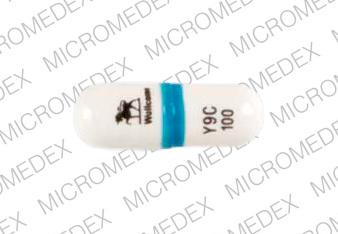
Retrovir Side Effects
Generic name: zidovudine
Medically reviewed by Drugs.com. Last updated on Feb 27, 2024.
Note: This document contains side effect information about zidovudine. Some dosage forms listed on this page may not apply to the brand name Retrovir.
Applies to zidovudine: oral capsule, oral syrup, oral tablet. Other dosage forms:
Warning
Oral route (Capsule; Tablet; Syrup)
Zidovudine has been associated with hematologic toxicity, including neutropenia and severe anemia, particularly in patients with advanced HIV disease. Prolonged use of zidovudine has been associated with symptomatic myopathy. Lactic acidosis and severe hepatomegaly with steatosis, including fatal cases, have been reported. Suspend treatment if clinical or laboratory findings suggestive of lactic acidosis or pronounced hepatotoxicity occur.
Serious side effects of Retrovir
Along with its needed effects, zidovudine (the active ingredient contained in Retrovir) may cause some unwanted effects. Although not all of these side effects may occur, if they do occur they may need medical attention.
Check with your doctor immediately if any of the following side effects occur while taking zidovudine:
More common
- Black, tarry stools
- chills
- cough
- feeling of fullness
- fever
- lower back or side pain
- painful or difficult urination
- pale skin
- right upper abdominal pain and fullness
- sore throat
- stomach pain
- swelling or inflammation of the mouth
- swollen lymph nodes
- ulcers, sores, or white spots in the mouth
- unusual bleeding or bruising
- unusual tiredness or weakness
Rare
- Confusion
- diarrhea
- fast, shallow breathing
- general feeling of discomfort
- loss of appetite
- mood or mental changes
- muscle pain, tenderness, weakness, or cramping
- nausea
- seizures
- sleepiness
- stomach discomfort
Incidence not known
- Back or leg pain
- bleeding gums
- blistering, peeling, or loosening of the skin
- bloating
- blood in the urine
- blurred vision or other change in vision
- bone pain
- burning, crawling, itching, numbness, prickling, "pins and needles", or tingling feelings
- clay-colored stools
- constipation
- dark urine
- decreased appetite
- decreased urine output
- difficult or labored breathing
- difficulty in moving
- difficulty in swallowing
- dilated neck veins
- dizziness
- extreme tiredness or weakness
- fainting
- fast, irregular, or pounding heartbeat
- general body swelling
- general tiredness and weakness
- headache
- high fever
- hives, skin rash
- hoarseness
- increased need to urinate
- indigestion
- irregular breathing
- irritation or soreness of the mouth
- joint or muscle pain
- lack of coordination
- large, hive-like swelling on the face, eyelids, lips, tongue, throat, hands, legs, feet, or genitals
- light-colored stools
- muscle pain, cramp, spasm, or stiffness
- nosebleeds
- pains in the stomach, side, or abdomen, possibly radiating to the back
- passing urine more often
- puffiness or swelling of the eyelids or around the eyes, face, lips, or tongue
- red skin lesions, often with a purple center
- red, irritated eyes
- redness, soreness, or itching skin
- runny nose
- shakiness in the legs, arms, hands, or feet
- shivering
- sores, welts, or blisters
- stabbing pain
- sweating
- swollen joints
- swollen or painful glands
- tightness in the chest
- trouble sleeping
- unexplained bleeding or bruising
- unpleasant breath odor
- vomiting
- vomiting of blood
- weight gain
- yellow eyes or skin
Other side effects of Retrovir
Some side effects of zidovudine may occur that usually do not need medical attention. These side effects may go away during treatment as your body adjusts to the medicine. Also, your health care professional may be able to tell you about ways to prevent or reduce some of these side effects.
Check with your health care professional if any of the following side effects continue or are bothersome or if you have any questions about them:
More common
- Difficulty having a bowel movement
- headache (severe)
- lack or loss of strength
- muscle soreness
- weight loss
Less common
- Bluish-brown colored bands on nails
- changes in skin color
Incidence not known
- Belching
- heartburn
- stomach cramps
For Healthcare Professionals
Applies to zidovudine: intravenous solution, oral capsule, oral syrup, oral tablet.
General
The most common side effects reported during adult clinical trials were headache, malaise, nausea, anorexia, and vomiting; side effects reported most often with IV administration were anemia and neutropenia. The most common side effects reported during pediatric clinical trials were fever and cough. In the prevention of maternal-fetal transmission clinical trial, the most common side effects reported in neonates were anemia and neutropenia.[Ref]
Hematologic
Common (1% to 10%): Granulocytopenia (less than 750 cells/mm3)
Uncommon (0.1% to 1%): Anemia (hemoglobin less than 8 g/dL)
Frequency not reported: Neutropenia, hematologic toxicity/bone marrow suppression, exacerbation of anemia, increased hemoglobin A2 percentage, thrombocytopenia, macrocytosis
Postmarketing reports: Aplastic anemia, hemolytic anemia, leukopenia, lymphadenopathy, pancytopenia with marrow hypoplasia, pure red cell aplasia[Ref]
Hematologic toxicity (including neutropenia and severe anemia) has been reported, mostly in patients with advanced HIV-1 disease.
Exacerbation of anemia due to ribavirin has been reported when this drug was part of the HIV-1 regimen.[Ref]
Nervous system
Very common (10% or more): Headache (up to 63%)
Common (1% to 10%): Neuropathy
Frequency not reported: Decreased reflexes, hyperalgesia, numbness, status epilepticus, Wernicke's syndrome
Postmarketing reports: Seizures, dizziness, paresthesia, somnolence, vertigo, hearing loss, loss of mental acuity, syncope, taste perversion, tremor[Ref]
Other
Very common (10% or more): Malaise (up to 53%)
Common (1% to 10%): Asthenia, fatigue, chills
Frequency not reported: Fever, signs/symptoms of ears (included pain, discharge, erythema, swelling of ear), edema, weight loss, rigors, increased lactate dehydrogenase, lower levels of vitamins B2/C/folate/zinc
Postmarketing reports: Chest pain, influenza-like syndrome, generalized pain
Antiretroviral therapy:
-Frequency not reported: Increased weight[Ref]
In 1 case of drug-associated fever, no source of infection was found after an extensive evaluation, but an anti-zidovudine immunoglobulin was isolated, indicating a possible hypersensitivity reaction.
This drug has been associated with lower levels of vitamins B2 and C, folate, and zinc despite adequate dietary intake.[Ref]
Gastrointestinal
Very common (10% or more): Nausea (up to 51%), vomiting (up to 17%)
Common (1% to 10%): Constipation, dyspepsia, abdominal cramps, abdominal pain, gastrointestinal pain
Frequency not reported: Diarrhea, stomatitis, splenomegaly, elevated lipase, elevated total amylase, lip edema, tongue edema, eructation, bleeding gums, rectal hemorrhage
Postmarketing reports: Dysphagia, constipation, flatulence, oral mucosa pigmentation, mouth ulcer, pancreatitis[Ref]
Metabolic
Lactic acidosis and severe hepatomegaly with steatosis (including fatal cases) have been reported with the use of nucleoside analogs.[Ref]
Very common (10% or more): Anorexia (up to 20%)
Rare (0.01% to 0.1%): Lactic acidosis without hypoxemia
Frequency not reported: Hyperlipidemia
Postmarketing reports: Redistribution/accumulation of body fat, lactic acidosis, hyperlactatemia
Antiretroviral therapy:
-Frequency not reported: Increased blood lipid levels, increased glucose levels[Ref]
Hepatic
Common (1% to 10%): Elevated ALT (greater than 5 times the upper limit of normal [5 x ULN]), raised blood levels of liver enzymes and bilirubin
Uncommon (0.1% to 1%): Elevated AST (greater than 5 x ULN), hyperbilirubinemia
Rare (0.01% to 0.1%): Liver disorders (e.g., severe hepatomegaly with steatosis)
Frequency not reported: Fulminate hepatitis, hepatic failure, hepatomegaly, hepatic decompensation, changes in liver function tests
Postmarketing reports: Hepatitis, hepatomegaly with steatosis, jaundice[Ref]
A patient with preexisting hepatitis B developed acute hepatic failure 2 weeks after starting this drug.
Lactic acidosis and severe hepatomegaly with steatosis (including fatal cases) have been reported with the use of nucleoside analogs.
Hepatic decompensation (some fatal) has been reported in patients coinfected with HIV-1 and hepatitis C receiving combination antiretroviral therapy for HIV-1 and interferon alfa with or without ribavirin.[Ref]
Musculoskeletal
Common (1% to 10%): Arthralgia, myalgia, musculoskeletal pain
Frequency not reported: Myopathy, myositis, muscle tenderness, weakness in the arms and legs, osteonecrosis, twitch
Postmarketing reports: Increased creatine phosphokinase, muscle spasm, myopathy and myositis with pathological changes (similar to that produced by HIV-1 disease), rhabdomyolysis, back pain[Ref]
Myopathy, myositis, muscle tenderness, and weakness in the arms and legs have been reported and were generally associated with an elevation in serum creatine kinase.
In 1 study, myalgias and elevated creatine kinase occurred in 8% of treated patients with a CD4 cell count less than 200/mm3, and in none of the patients with higher CD4 cell counts. Dose reduction has not affected the course of myopathy, although drug discontinuation sometimes resulted in improvement of symptoms, generally within a month. Muscle biopsy has shown atrophic and sometimes necrotic fibers, ragged-red fibers, and large accumulations of mitochondrial and fibrillar sarcoplasmic inclusions.
Myopathy and myositis with pathological changes, similar to that produced by HIV-1 disease, have been associated with prolonged use of this drug.[Ref]
Psychiatric
Common (1% to 10%): Insomnia
Frequency not reported: Nervousness/irritability, emotional lability, grandiosity
Postmarketing reports: Anxiety, confusion, depression, mania[Ref]
Dermatologic
Bluish or brownish-black discoloration of nails has developed during the first month or 2 of therapy and usually disappeared within 2 months if the drug was discontinued. Discoloration has occurred as longitudinal streaks or transverse bands.[Ref]
Frequency not reported: Skin rashes, lipoatrophy/loss of subcutaneous fat, body odor, acne, nailbed hyperpigmentation (rarely accompanied by mucocutaneous pigmentation or hypertrichosis), leukocytoclastic vasculitis (with eosinophilia and fever)
Postmarketing reports: Changes in skin and nail pigmentation, pruritus, Stevens-Johnson syndrome, toxic epidermal necrolysis, sweat, urticaria[Ref]
Cardiovascular
Frequency not reported: Congestive heart failure ECG abnormality, left ventricular dilation, vasodilation
Postmarketing reports: Cardiomyopathy, vasculitis[Ref]
Hypersensitivity
Frequency not reported: Allergic skin rash
Postmarketing reports: Sensitization reactions (including anaphylaxis, angioedema)[Ref]
Respiratory
Frequency not reported: Cough, abnormal breath sounds/wheezing, nasal discharge/congestions, flu syndrome, epistaxis, pharyngitis, hoarseness
Postmarketing reports: Dyspnea, rhinitis, sinusitis[Ref]
Immunologic
Frequency not reported: Immune reconstitution/reactivation syndrome, autoimmune disorders in the setting of immune reconstitution (e.g., Graves' disease, polymyositis, Guillain-Barre syndrome)
Ocular
Postmarketing reports: Amblyopia, macular edema, photophobia[Ref]
A case of macular edema in a patient with a history of anterior uveitis secondary to syphilis has been reported.[Ref]
Genitourinary
Frequency not reported: Hematuria, dysuria, polyuria
Postmarketing reports: Urinary frequency, urinary hesitancy[Ref]
Endocrine
Postmarketing reports: Gynecomastia[Ref]
Local
Frequency not reported: Local reaction, pain, slight irritation
Local reaction, pain, and slight irritation were reported infrequently during IV administration.
More about Retrovir (zidovudine)
- Check interactions
- Compare alternatives
- Pricing & coupons
- Drug images
- Dosage information
- During pregnancy
- Generic availability
- Drug class: nucleoside reverse transcriptase inhibitors (NRTIs)
- Breastfeeding
- En español
Patient resources
- Retrovir oral/injection drug information
- Retrovir (Zidovudine Intravenous) (Advanced Reading)
- Retrovir (Zidovudine Oral) (Advanced Reading)
- Retrovir (Zidovudine Syrup)
Professional resources
Related treatment guides
References
1. Torres RA, Lin RY, Lee M, Barr MR. Zidovudine-induced leukocytoclastic vasculitis. Arch Intern Med. 1992;152:850-1.
2. McLeod GX, Hammer SM. Zidovudine: five years later. Ann Intern Med. 1992;117:487-501.
3. Product Information. Retrovir (zidovudine). Glaxo Wellcome. 2001;PROD.
4. Brinkman K, terHofstede HJM, Burger DM, Smeitinkt JAM, Koopmans PP. Adverse effects of reverse transcriptase inhibitors: mitochondrial toxicity as common pathway. AIDS. 1998;12:1735-44.
5. Drugs for HIV infection. Med Lett Drugs Ther. 2001;43:103-8.
6. Cerner Multum, Inc. UK Summary of Product Characteristics.
7. Piacenti FJ. An update and review of antiretroviral therapy. Pharmacotherapy. 2006;26:1111-33.
8. Warnke D, Barreto J, Temesgen Z. Antiretroviral drugs. J Clin Pharmacol. 2007;47:1570-9.
9. Cerner Multum, Inc. Australian Product Information.
10. Drugs for HIV infection. Treat Guidel Med Lett. 2009;7:11-22.
11. Panel on Antiretroviral Guidelines for Adults and Adolescents. Guidelines for the Use of Antiretroviral Agents in Adults and Adolescents Living with HIV. https://aidsinfo.nih.gov/contentfiles/lvguidelines/adultandadolescentgl.pdf 2018.
12. Williams I, Gabriel G, Cohen H, et al. Zidovudine: the first year of experience. J Infect. 1989;18:23-31.
13. Goldsmith JC, Irvine W. Reversible agranulocytosis related to azidothymidine therapy. Am J Hematol. 1989;30:263-4.
14. Gelmon K, Montaner JS, Fanning M, et al. Nature, time course and dose dependence of zidovudine-related side effects: results from the multicenter Canadian azidothymidine trial. AIDS. 1989;3:555-61.
15. Fischl MA, Richman DD, Hansen N, et al. The safety and efficacy of zidovudine (AZT) in the treatment of subjects with mildly symptomatic human immunodefienciency virus type 1 (HIV) infection. Ann Intern Med. 1990;112:727-37.
16. Baum MK, Javier JJ, Mantero-Atienza E, et al. Zidovudine-associated adverse reactions in a longitudinal study of asymptomatic HIV-1-infected homosexual males. J Acquir Immune Defic Syndr. 1991;4:1218-26.
17. Barnett JH, Gilson I. Zidovudine-related thrombocytopenia simulating rapid growth of Kaposi's sarcoma. Arch Dermatol. 1991;127:1068-9.
18. Kennedy CA, Griffith HS, Mathisen GE. Erythrocytosis after zidovudine for AIDS. Ann Intern Med. 1991;114:250-1.
19. Rarick MU, Espina B, Montgomery T, et al. The long-term use of zidovudine in patients with severe immune-mediated thrombocytopenia secondary to infection with HIV. AIDS. 1991;5:1357-61.
20. Cooper DA, Pedersen C, Auiti F, et al. The efficacy and safety of zidovudine with or without acyclovir in the treatment of patients with AIDS-related complex. AIDS. 1991;5:933-43.
21. Moore RD, Creagh-Kirk T, Keruly J, et al. Long-term safety and efficacy of zidovudine in patients with advanced human immunodefiency virus disease. Arch Intern Med. 1991;151:981-6.
22. Levine JD, Allan JD, Tessitore JH, et al. Recombinant human granulocyte-macrophage colony-stimulating factor ameliorates zidovudine-induced neutropenia in patients with acquired immunodeficiency syndrome. Blood. 1991;12:3148-54.
23. Miles SA, Mitsuyasu RT, Moreno J, et al. Combined therapy with recombinant granulocyte colony-stimulating factor and erythropoietin decreases hematologic toxicity from zidovudine. Blood. 1991;77:2109-17.
24. Scadden DT, Bering HA, Levine JD, et al. Granulocyte-macrophage colony-stimulating factor mitigates the neutropenia of combined interferon alfa and zidovudine treatment of acquired immune deficiency syndrome-associated Kaposi's sarcoma. J Clin Oncol. 1991;9:802-8.
25. Moore RD, Fortgang I, Keruly J, Chaisson RE. Adverse events from drug therapy for human immunodeficiency virus disease. Am J Med. 1996;101:34-40.
26. Schmitz T, Weizsaecker K, Feiterna-Sperling C, Eilers E, Obladen M. Exposure to HIV and antiretroviral medication as a potential cause of necrotizing enterocolitis in term neonates. AIDS. 2006;20:1082-3.
27. Shapiro RL, Thior I, Gilbert PB, et al. Maternal single-dose nevirapine versus placebo as part of an antiretroviral strategy to prevent mother-to-child HIV transmission in Botswana. AIDS. 2006;20:1281-1288.
28. Nuesch R, Srasuebkul P, Ananworanich J, Ruxrungtham K, Phanuphak P, Duncombe C. Monitoring the toxicity of antiretroviral therapy in resource limited settings: a prospective clinical trial cohort in Thailand. J Antimicrob Chemother. 2006;58:637-44.
29. Hammer SM, Saag MS, Schechter M, et al. Treatment for adult HIV infection: 2006 recommendations of the International AIDS Society-USA panel. JAMA. 2006;296:827-43.
30. Cameron DW, Becker S, King MS, et al. Exploratory study comparing the metabolic toxicities of a lopinavir/ritonavir plus saquinavir dual protease inhibitor regimen versus a lopinavir/ritonavir plus zidovudine/lamivudine nucleoside regimen. J Antimicrob Chemother. 2007;59:957-63.
31. Riedel, Clarenbach P, Reetz KP. Coma during azidothymidine therapy for AIDS. J Neurol. 1989;236:185.
32. Lalonde RG, Deschenes JG, Seamone C. Zidovudine-induced macular edema. Ann Intern Med. 1991;114:297-8.
33. Dsilva M, Leibowitz D, Flaherty JP. Seizure associated with zidovudine. Lancet. 1995;346:452.
34. Edwards P, Turner J, Gold J, Cooper DA. Esophageal ulceration induced by zidovudine. Ann Intern Med. 1990;112:65-6.
35. Martinez E, Mocroft A, GarciaViejo MA, PerezCuevas JB, Blanco JL, Mallolas J, Bianchi L, Conget I, Blanch J, Phillips A, Gatell. Risk of lipodystrophy in HIV-1-infected patients treated with protease inhibitors: a prospective cohort study. Lancet. 2001;357:592-8.
36. Anti-HIV agents. New drugs, new hope, old lessons. TreatmentUpdate. 2007;19:1-3.
37. Dubin G, Braffman MN. Zidovudine-induced hepatotoxicity. Ann Intern Med. 1989;110:85-6.
38. Shriner K, Goetz MB. Severe hepatoxicity in a patient receiving both acetaminophen and zidovudine. Am J Med. 1992;93:94-6.
39. Gradon JD, Chapnick EK, Sepkowitz DV. Zidovudine-induced hepatitis. J Intern Med. 1992;231:317-8.
40. Chen SC, Barker SM, Mitchell DH, et al. Concurrent zidovudine-induced myopathy and hepatoxicity in patients treated for human immunodeficiency virus (HIV) infection. Pathology. 1992;24:109-11.
41. Shintaku M, Nasu K, Shimizu T. Fulminant hepatic failure in an AIDS patient: possible zidovudine- induced hepatotoxicity. Am J Gastroenterol. 1993;88:464-6.
42. Sundar K, Suarez M, Banogon PE, Shapiro JM. Zidovudine-induced fatal lactic acidosis and hepatic failure in patients with acquired immunodeficiency syndrome: report of tw patients and review of the literature. Crit Care Med. 1997;25:1425-30.
43. Acosta BS, Grimsley EW. Zidovudine-associated type B lactic acidosis and hepatic steatosis in an HIV-infected patient. South Med J. 1999;92:421-3.
44. Gertner E, Thurn JR, Williams DN, et al. Zidovudine-associated myopathy. Am J Med. 1989;86:814-8.
45. Dalakas MC, Illa I, Pezeshkpour GH, et al. Mitochondrial myopathy caused by long-term zidovudine therapy. N Engl J Med. 1990;322:1098-105.
46. Mhiri C, Baudrimont M, Bonne G, et al. Zidovudine myopathy: a distinctive disorder associated with mitochondrial dysfunction. Ann Neurol. 1991;29:606-14.
47. Arnaudo E, Dalakas M, Shanske S, et al. Depletion of muscle mitochondrial DNA in AIDS patients with zidovudine-induced myopathy. Lancet. 1991;337:508-11.
48. Simpson DM, Citak KA, Godfrey E, Godbold J, Wolfe DE. Myopathies associated with human immunodeficiency virus and zidovudine: can their effects be distinguished? Neurology. 1993;43:971-6.
49. Peters BS, Winer J, Landon DN, Stotter A, Pinching AJ. Mitochondrial myopathy associated with chronic zidovudine therapy in AIDS. Q J Med. 1993;86:5-15.
50. Till M, Kochvar G, Murphy R, Phair J. Myopathy associated with zidovudine use in HIV-1 infection. Int Conf AIDS. 1993;9:465.
51. Murphy D, Lynch M, Mulcahy F. Zidovudine related arthropathy. BMJ. 1994;309:97.
52. O'Dowd MA, McKegney FP. Manic syndrome associated with zidovudine. JAMA. 1988;260:3587-8.
53. Wright JM, Sachdev PS, Perkins RJ, Rodriguez P. Zidovudine-related mania. Med J Aust. 1989;150:339-40.
54. Anders KH, Abele DC. Development of nail pigmentation during zidovudine therapy. J Am Acad Dermatol. 1989;21:192-3.
55. Merenich JA, Hannon RN, Gentry RH, Harrison SM. Azidothymidine-induced hyperpigmentation mimicking primary adrenal insufficiency. Am J Med. 1989;86:469-70.
56. Don P, Fusco F, Fried P, et al. Nail dyschromia associated with zidovudine. Ann Intern Med. 1990;112:145-6.
57. Grau-Massanes M, Millan F, Febrer MI, et al. Pigmented nail bands and mucocutaneous pigmentation in HIV-positive patients treated with zidovudine. J Am Acad Dermatol. 1990;16:687-8.
58. Tadini G, D'Orso M, Cusini M, et al. Oral mucosa pigmentation: a new side effect of azidothymidine therapy in patients with acquired immunodeficiency syndrome. Arch Dermatol. 1991;127:267-8.
59. Sahai J, Conway B, Cameron D, Garber G. Zidovudine-associated hypertrichosis and nail pigmentation in an HIV-infected patient. AIDS. 1991;5:1395-6.
60. Rahav G, Maayan S. Nail pigmentation associated with zidovudine: a review and report of a case. Scand J Infect Dis. 1992;24:557-61.
61. Geletko SM, Segarra M, Mikolich DJ. Alopecia associated with zidovudine therapy. Pharmacotherapy. 1996;16:79-81.
62. Domingo P, Barcelo M. Efavirenz-induced leukocytoclastic vasculitis. Arch Intern Med. 2002;162:355-6.
63. Woolley I, Tapley N, Korman TM. Sequential cutaneous drug reactions to protease inhibitors in the context of occupational post-exposure prophylaxis. AIDS. 2003;17:1709.
64. Herskowitz A, Willoughby SB, Baughman KL, et al. Cardiomyopathy associated with antiretroviral therapy in patients with HIV infection: a report of six cases. Ann Intern Med. 1992;116:311-3.
65. Montastruc G, Favreliere S, Sommet A, et al. Drugs and dilated cardiomyopathies: a case/noncase study in the French PharmacoVigilance Database. Br J Clin Pharmacol. 2010;69:287-94.
66. Duque S, Delapuente J, Rodriguez F, Pellon LF, Maquiera E, Jerez J. Zidovudine-related erythroderma and successful desensitization: a case report. J Allergy Clin Immunol. 1996;98:234-5.
67. Slayter KL, Pierce SM, Marrie TJ. Possible zidovudine-associated hypersensitivity. Ann Pharmacother. 1996;30:1197.
Further information
Always consult your healthcare provider to ensure the information displayed on this page applies to your personal circumstances.
Some side effects may not be reported. You may report them to the FDA.