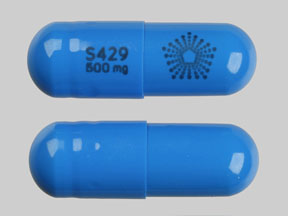
Pentasa Side Effects
Generic name: mesalamine
Note: This document contains side effect information about mesalamine. Some dosage forms listed on this page may not apply to the brand name Pentasa.
Applies to mesalamine: oral capsule delayed release, oral capsule extended release, oral tablet delayed release, oral tablet enteric coated. Other dosage forms:
Serious side effects of Pentasa
Along with its needed effects, mesalamine (the active ingredient contained in Pentasa) may cause some unwanted effects. Although not all of these side effects may occur, if they do occur they may need medical attention.
Check with your doctor immediately if any of the following side effects occur while taking mesalamine:
More common
- Bloody diarrhea
- rectal bleeding
- stomach pain
Less common
- Bloody stools
- bloody urine
- blurred vision
- chest tightness
- chills
- clay-colored stools
- cough
- dark urine
- diarrhea
- difficulty with breathing
- dizziness
- fever
- full or bloated feeling
- general feeling of discomfort or illness
- headache
- itching, skin rash
- joint pain
- loss of appetite
- muscle aches and pains
- nausea
- nervousness
- pain or tenderness around the eyes and cheekbones
- pounding in the ears
- pressure in the stomach
- runny or stuffy nose
- shivering
- slow or fast heartbeat
- sore throat
- stomach cramps
- sweating
- swelling of the stomach area
- trouble sleeping
- unpleasant breath odor
- unusual tiredness or weakness
- vomiting
- vomiting of blood
- yellow eyes or skin
Rare
- Anxiety
- back pain
- blue or pale skin
- chest pain, possibly moving to the left arm, neck, or shoulder
Incidence not known
- Black, tarry stools
- blistering, peeling, or loosening of the skin
- bloating
- change in the ability to see colors, especially blue or yellow
- chest discomfort
- constipation
- decreased frequency or amount of urine
- dry cough
- greatly increased frequency of urination or amount of urine
- hives or welts
- hoarseness
- inability to move the arms and legs
- increased thirst
- indigestion
- large, hive-like swelling on the face, eyelids, lips, tongue, throat, hands, legs, feet, or genitals
- light-colored stools
- lower back or side pain
- muscle weakness, sudden and progressing
- pain in the ankles or knees
- painful or difficult urination
- painful, red lumps under the skin, mostly on the legs
- rapid breathing
- red, irritated eyes
- red skin lesions, often with a purple center
- severe nausea or vomiting
- sores, ulcers, or white spots in the mouth or on the lips
- stomach tenderness
- sudden numbness and weakness in the arms and legs
- swelling of the feet or lower legs
- swollen or painful glands
- thickening of bronchial secretions
- unusual bleeding or bruising
- weight gain
Other side effects of Pentasa
Some side effects of mesalamine may occur that usually do not need medical attention. These side effects may go away during treatment as your body adjusts to the medicine. Also, your health care professional may be able to tell you about ways to prevent or reduce some of these side effects.
Check with your health care professional if any of the following side effects continue or are bothersome or if you have any questions about them:
More common
- Sneezing
Less common
- Acne
- belching
- continuing ringing or buzzing or other unexplained noise in the ears
- difficulty with moving
- dizziness or lightheadedness
- excess air or gas in the stomach or bowels
- feeling of constant movement of self or surroundings
- hair loss or thinning of the hair
- hearing loss
- heartburn
- muscle stiffness
- passing gas
- sensation of spinning
- stomach discomfort or upset
Incidence not known
- Burning, numbness, tingling, or painful sensations
- unsteadiness or awkwardness
- weakness in the arms, hands, legs, or feet
For Healthcare Professionals
Applies to mesalamine: compounding powder, oral capsule extended release, oral delayed release capsule, oral delayed release tablet, rectal enema, rectal kit, rectal suppository.
General
The most common adverse events were headache, eructation, and aggravation of ulcerative colitis.[Ref]
Gastrointestinal
Very common (10% or more): Eructation (up to 16%), ulcerative colitis aggravated (up to 15%)
Common (1% to 10%): Abdominal pain/cramps/discomfort, diarrhea, flatulence, nausea, gastroenteritis, gastrointestinal hemorrhage, rectal disorder, stool abnormalities (color or texture change), urinary frequency, dyspepsia, vomiting, bloating, rectal distension, pain on insertion of tip (enema formulation), hemorrhoids, rectal pain, colitis, constipation, abdominal distension
Uncommon (0.1% to 1%): Acute pancreatitis, melena (bloody diarrhea), rectal pain/soreness/burning, pancolitis, neonate diarrhea, anal discomfort, defecation urgency, colitis ulcer (proctitis ulcer), glossitis, rectal polyp, pancreatitis, application site irritation (rectal foam formulation), painful rectal tenesmus, rectal urgency
Rare (less than 0.1%): Increased amylase
Frequency not reported: Duodenal ulcer, dysphagia, esophageal ulcer, fecal incontinence, GI bleeding, mouth ulcer, oral candidiasis, rectal bleeding, rectal polyp, mild indigestion and cramping, bloody diarrhea, stomatitis, abdominal enlargement, lipase increase
Postmarketing reports: Frequent bowel movements, mucus stools, painful defecation, proctalgia, rectal discharge, stomach discomfort, gastritis, dry mouth, oral ulcers, perforated peptic ulcer, amylase increased[Ref]
Nervous system
Very common (10% or more): Headache (up to 24%)
Common (1% to 10%): Dizziness
Uncommon (0.1% to 1%): Paresthesia, peripheral neuropathy, somnolence, tremor,
Very rare (less than 0.01%): Vertigo
Frequency not reported: Neuropathy, mild disorientation
Postmarketing reports: Guillain-Barre syndrome, hypertonia, transverse myelitis, hyperesthesia, taste perversion, tinnitus[Ref]
Other
Very common (10% or more): Pain (up to 14%)
Common (1% to 10%): Asthenia, fatigue, pyrexia, infection
Uncommon (0.1% to 1%): Ear pain, peripheral edema
Rare (less than 0.1%): Drug fever
Frequency not reported: Malaise, mesalamine-induced acute intolerance syndrome, plugged ears, adenovirus infection, aching, decreased body mass index,
Postmarketing reports: Medication residue, elevated alkaline phosphatase, elevated GGT, elevated LDH, ear congestion[Ref]
Respiratory
Very common (10% or more): Nasopharyngitis (up to 15%)
Common (1% to 10%): Upper respiratory tract infection, influenza like symptoms, rhinitis, cold/sore throat
Uncommon (0.1% to 1%): Allergic and fibrotic lung reactions, dyspnea, cough, bronchospasm, pleural effusion, alveolitis, pulmonary eosinophilia, lung infiltration, pneumonitis, pharyngolaryngeal pain
Very rare (less than 0.01%): Eosinophilic pneumonia
Frequency not reported: Hypersensitivity pneumonitis (including interstitial pneumonitis, allergic alveolitis, eosinophilic pneumonitis, stuffy head, interstitial pulmonary fibrosis, bronchiolitis obliterans, sinusitis
Postmarketing reports: Fibrosing alveolitis, asthma exacerbation, pleuritis, bronchitis[Ref]
Cardiovascular
Common (1% to 10%): Hypertension, vasodilation,
Uncommon (0.1% to 1%): Pericarditis, myocarditis, pericardial effusion, tachycardia, hypotension
Frequency not reported: Chest pain, T-wave abnormalities, Kawasaki-like syndrome[Ref]
Dermatologic
Common (1% to 10%): Rash, alopecia, urticaria, pruritus, acne
Uncommon (0.1% to 1%): Lupus erythematosus syndrome, allergic exanthema, increased sweating, angioedema, Stevens-Johnson syndrome, face edema
Very rare (less than 0.01%): Reversible alopecia, bullous skin reactions including erythema multiforme
Frequency not reported: Dry skin, eczema, erythema nodosum, nail disorder, photosensitivity, lichen planus, ecchymosis
Postmarketing reports: Prurigo, erythema, psoriasis, pyoderma gangrenosum[Ref]
Musculoskeletal
Common (1% to 10%): Back pain, arthralgia, leg/joint pain
Uncommon (0.1% to 1%): Myalgia, chills, myositis, arthritis
Frequency not reported: Leg cramps, lower back discomfort, muscle cramps, neck pain
Postmarketing reports: Joint disorder, rheumatoid arthritis[Ref]
Hepatic
Common (1% to 10%): Hepatic function abnormal, increased alanine aminotransferase
Uncommon (0.1% to 1%): Hepatitis, increased liver enzymes (transaminase activity), intrahepatic cholestasis, increased bilirubin
Very rare (less than 0.01%): Hepatotoxicity (including cirrhosis, hepatic failure), changes in liver function parameters
Frequency not reported: GGTP increase, SGOT increase, SGPT increase, sclerosing cholangitis, increased alkaline phosphatase
Postmarketing reports: Jaundice, cholestatic jaundice, liver necrosis, cholecystitis[Ref]
Metabolic
Common (1% to 10%): Anorexia
Frequency not reported: Thirst, edema
Postmarketing reports: Increased appetite, gout[Ref]
Ocular
Common (1% to 10%): Vision abnormalities
Uncommon (0.1% to 1%): Conjunctivitis
Postmarketing reports: Blurred vision, eye pain[Ref]
Renal
Uncommon (0.1% to 1%): Acute or chronic interstitial nephritis, renal insufficiency, renal failure, nephrotoxicity
Very rare (less than 0.01%): Nephrotic syndrome, urine discoloration
Frequency not reported: Creatinine clearance decreased
Postmarketing reports: Minimal change nephropathy, elevated serum creatinine and BUN[Ref]
Hematologic
Uncommon (0.1% to 1%): Thrombocytopenia, aplastic anemia, hemolytic anemia, agranulocytosis, leukopenia, neutropenia, pancytopenia, platelet count decreased
Very rare (less than 0.01%): Eosinophilia (as part of an allergic reaction), anemia, bone marrow depression
Frequency not reported: Thrombocythemia
Postmarketing reports: Granulocytopenia, lymphadenopathy[Ref]
Hypersensitivity
Uncommon (0.1% to 1%): Allergic reaction, anaphylactic reaction, drug reaction with eosinophilia and systemic symptoms (DRESS)
Frequency not reported: Anaphylactic shock, angioedema[Ref]
Genitourinary
Uncommon (0.1% to 1%): Oligospermia (reversible), UTI/urinary burning
Frequency not reported: Albuminuria, amenorrhea, breast pain, hematuria, hypomenorrhea, menorrhagia, metrorrhagia, urinary frequency
Postmarketing reports: Dysuria, urinary urgency, epididymitis[Ref]
Psychiatric
Uncommon (0.1% to 1%): Insomnia
Frequency not reported: Depression, anxiety, decreased libido
Postmarketing reports: Nervousness, confusion, emotional lability, confusion[Ref]
Frequently asked questions
More about Pentasa (mesalamine)
- Check interactions
- Compare alternatives
- Pricing & coupons
- Reviews (90)
- Drug images
- Dosage information
- During pregnancy
- Generic availability
- Drug class: 5-aminosalicylates
- Breastfeeding
- En español
Patient resources
Other brands
Lialda, Apriso, Delzicol, Asacol HD, ... +3 more
Professional resources
Other brands
Lialda, Apriso, Asacol, Delzicol, ... +4 more
Related treatment guides
References
1. Product Information. Asacol (mesalamine). Procter and Gamble Pharmaceuticals. 2022.
2. Product Information. Rowasa (mesalamine). Solvay Pharmaceuticals Inc. 2022.
3. Product Information. Pentasa (mesalamine). Hoechst Marion Roussel.
4. Product Information. Canasa (mesalamine). Axcan Pharma US Inc.
5. Cerner Multum, Inc. UK Summary of Product Characteristics.
6. Product Information. Lialda (mesalamine). Shire US Inc. 2022.
7. Cerner Multum, Inc. Australian Product Information.
8. Product Information. Apriso (mesalamine). Salix Pharmaceuticals. PROD.
9. Product Information. Delzicol (mesalamine). Warner Chilcott Laboratories. 2022.
Further information
Always consult your healthcare provider to ensure the information displayed on this page applies to your personal circumstances.
Some side effects may not be reported. You may report them to the FDA.