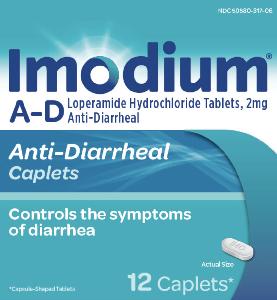
Imodium A-D Side Effects
Generic name: loperamide
Medically reviewed by Drugs.com. Last updated on Jan 17, 2024.
Note: This document contains side effect information about loperamide. Some dosage forms listed on this page may not apply to the brand name Imodium A-D.
Applies to loperamide: oral capsule, oral capsule liquid filled, oral liquid, oral solution, oral suspension, oral tablet.
Warning
Oral route (Capsule)
Cases of Torsades de Pointes, cardiac arrest, and death have been reported with the use of a higher than recommended dosages of loperamide hydrochloride. Loperamide hydrochloride is contraindicated in pediatric patients less than 2 years of age. Avoid loperamide hydrochloride dosages higher than recommended in adults and pediatric patients 2 years of age and older due to the risk of serious cardiac adverse reactions.
Serious side effects of Imodium A-D
Along with its needed effects, loperamide (the active ingredient contained in Imodium A-D) may cause some unwanted effects. Although not all of these side effects may occur, if they do occur they may need medical attention.
Check with your doctor immediately if any of the following side effects occur while taking loperamide:
Rare
- Bloating
- constipation
- loss of appetite
- nausea
- stomach pain
- vomiting
Incidence not known
- Blistering, peeling, loosening of skin
- chest pain or discomfort
- chills
- cough
- decrease in urine volume
- decrease in frequency of urination
- difficulty in passing urine
- diarrhea
- fainting
- fast, pounding, or irregular heartbeat or pulse
- hives or welts, itching, rash
- irregular or slow heartbeat
- joint or muscle pain
- large, hive-like swelling on the face, eyelids, lips, tongue, throat, hands, legs, feet, sex organs
- no blood pressure or pulse
- painful urination
- palpitations
- red irritated eyes
- redness of the skin
- red skin lesions, often with a purple center
- sores, ulcers, or white spots in the mouth or on the lips
- sore throat
- stopping of heart
- unconsciousness
- unusual tiredness or weakness
Other side effects of Imodium A-D
Some side effects of loperamide may occur that usually do not need medical attention. These side effects may go away during treatment as your body adjusts to the medicine. Also, your health care professional may be able to tell you about ways to prevent or reduce some of these side effects.
Check with your health care professional if any of the following side effects continue or are bothersome or if you have any questions about them:
Rare
- Acid or sour stomach
- belching
- dizziness
- drowsiness
- dryness of mouth
- excess air or gas in the stomach or bowels
- full feeling
- heartburn
- indigestion
- passing gas
- stomach upset
For Healthcare Professionals
Applies to loperamide: compounding powder, oral capsule, oral liquid, oral suspension, oral tablet, oral tablet chewable.
General
The most common adverse events were constipation, flatulence, headache, nausea, and dizziness.
Gastrointestinal
Common (1% to 10%): Constipation, nausea, flatulence, dry mouth, abdominal cramp, colic, vomiting, meteorism, abdominal pain
Uncommon (0.1% to 1%): Abdominal discomfort, abdominal pain upper, dyspepsia
Rare (less than 0.1%): Ileus (including paralytic ileus), megacolon (including toxic megacolon), abdominal distension[Ref]
Nervous system
Common (1% to 10%): Headache, dizziness
Uncommon (0.1% to 1%): Somnolence
Rare (less than 0.1%): Loss of consciousness, stupor, depressed level of consciousness, hypertonia, coordination abnormality
Postmarketing reports: Syncope[Ref]
Other
Rare (less than 0.1%): Fatigue
Postmarketing reports: Death, tiredness[Ref]
Hypersensitivity
Rare (less than 0.1%): Hypersensitivity reaction, anaphylactic reaction (including anaphylactic shock), anaphylactoid reaction[Ref]
Cardiovascular
Postmarketing reports: QT/QTc prolongation, Torsades de Pointes, other ventricular arrhythmias, cardiac arrest[Ref]
Dermatologic
Uncommon (0.1% to 1%): Rash
Rare (less than 0.1%): Bullous eruption (including Stevens-Johnson syndrome, toxic epidermal necrolysis, and erythema multiforme), angioedema, urticaria, pruritus[Ref]
Genitourinary
Rare (less than 0.1%): Urinary retention[Ref]
Ocular
Rare (less than 0.1%): Miosis
Frequently asked questions
More about Imodium A-D (loperamide)
- Check interactions
- Compare alternatives
- Pricing & coupons
- Reviews (19)
- Drug images
- Latest FDA alerts (3)
- Dosage information
- During pregnancy
- Drug class: antidiarrheals
- Breastfeeding
Patient resources
Other brands
Professional resources
Other brands
Anti-Diarrheal, Up and Up Anti-Diarrheal Solution
Other formulations
Related treatment guides
References
1. Ericsson CD, Johnson PC. Safety and efficacy of loperamide. Am J Med. 1990;88:s10-4.
2. Brown JW. Toxic megacolon associated with loperamide therapy. JAMA. 1979;241:501-2.
3. Walley T, Milson D. Loperamide related toxic megacolon in Clostridium difficile colitis. Postgrad Med J. 1990;66:582.
4. Katz JP, Sturmann KM. Appendicitis associated with loperamide hydrochloride abuse. Ann Pharmacother. 1993;27:369-70.
5. Olm M, Gonzalez FJ, Garcia-Valdecasas JC, Fuster J, Bertran A, Milla J. Necrotising colitis with perforation in diarrhoic patients treated with loperamide. Eur J Clin Pharmacol. 1991;40:415-6.
6. Product Information. Imodium (loperamide). Janssen Pharmaceuticals. 2001;PROD.
7. Product Information. Loperamide Hydrochloride (loperamide). Teva Pharmaceuticals USA. 2018.
8. Hill MA, Greason FC. Loperamide dependence. J Clin Psychiatry. 1992;53:450.
Further information
Always consult your healthcare provider to ensure the information displayed on this page applies to your personal circumstances.
Some side effects may not be reported. You may report them to the FDA.