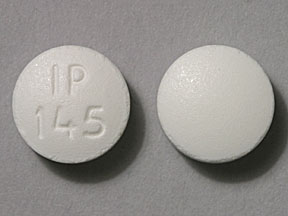
Hydrocodone / ibuprofen Side Effects
Medically reviewed by Drugs.com. Last updated on Jun 13, 2023.
Applies to hydrocodone / ibuprofen: oral tablet.
Warning
Oral route (Tablet)
Addiction, Abuse, and MisuseHydrocodone bitartrate/ibuprofen exposes patients and other users to the risks of opioid addiction, abuse, and misuse, which can lead to overdose and death. Assess each patient's risk prior to prescribing hydrocodone bitartrate/ibuprofen, and monitor all patients regularly for the development of these behaviors and conditions.Opioid Analgesic Risk Evaluation and Mitigation Strategy (REMS)To ensure that the benefits of opioid analgesics outweigh the risks of addiction, abuse, and misuse, the Food and Drug Administration (FDA) has required a Risk Evaluation and Mitigation Strategy (REMS) for these products.Life-Threatening Respiratory DepressionSerious, life-threatening, or fatal respiratory depression may occur with use of hydrocodone bitartrate/ibuprofen. Monitor for respiratory depression, especially during initiation of hydrocodone bitartrate/ibuprofen or following a dose increase.Accidental IngestionAccidental ingestion of even one dose of hydrocodone bitartrate/ibuprofen, especially by children, can result in a fatal overdose of hydrocodone bitartrate.Neonatal Opioid Withdrawal SyndromeProlonged use of hydrocodone bitartrate/ibuprofen during pregnancy can result in neonatal opioid withdrawal syndrome, which may be life-threatening if not recognized and treated, and requires management according to protocols developed by neonatology experts. If opioid use is required for a prolonged period in a pregnant woman, advise the patient of the risk of neonatal opioid withdrawal syndrome and ensure that appropriate treatment will be available.Cytochrome P450 3A4 InteractionThe concomitant use of hydrocodone bitartrate/ibuprofen with all cytochrome P450 3A4 inhibitors may result in an increase in hydrocodone plasma concentrations, which may cause potentially fatal respiratory depression. In addition, discontinuation of a concomitantly used cytochrome P450 3A4 inducer may result in an increase in hydrocodone plasma concentration. Monitor patients taking hydrocodone bitartrate/ibuprofen and any CYP3A4 inhibitor or upon discontinuation of a CYP3A4 inducer for signs and symptoms of respiratory depression and sedation.Risks From Concomitant Use With Benzodiazepines or Other CNS DepressantsConcomitant use of opioids with benzodiazepines or other central nervous system (CNS) depressants, including alcohol, may result in profound sedation, respiratory depression, coma, and death. Reserve concomitant prescribing of hydrocodone bitartrate/ibuprofen and benzodiazepines or other CNS depressants for use in patients for whom alternative treatment options are inadequate. Limit dosages and durations to the minimum required. Follow patients for signs and symptoms of respiratory depression and sedation.Cardiovascular Thrombotic EventsNonsteroidal anti-inflammatory drugs (NSAIDs) cause an increased risk of serious cardiovascular thrombotic events, including myocardial infarction and stroke, which can be fatal. This risk may occur early in treatment and increase with duration of use. Hydrocodone bitartrate/ibuprofen is contraindicated in the setting of coronary artery bypass graft (CABG) surgery.Gastrointestinal Bleeding, Ulceration, and PerforationNSAIDs cause an increased risk of serious gastrointestinal (GI) adverse events including bleeding, ulceration, and perforation of the stomach or intestines, which can be fatal. These events can occur at any time during use and without warning symptoms. Elderly patients and patients with a prior history of peptic ulcer disease and/or GI bleeding are at greater risk for serious GI events.
Serious side effects
Along with its needed effects, hydrocodone / ibuprofen may cause some unwanted effects. Although not all of these side effects may occur, if they do occur they may need medical attention.
Check with your doctor immediately if any of the following side effects occur while taking hydrocodone / ibuprofen:
Rare
- Bloody stools
- burning feeling in the chest or stomach
- changes in facial skin color
- cough
- diarrhea
- difficulty with swallowing
- fast or irregular breathing
- fever
- frequent urge to urinate
- heartburn
- inability to urinate
- irregular heartbeat
- lightheadedness or dizziness
- loss of bladder control
- puffiness or swelling of the eyelids or around the eyes, face, lips, or tongue
- ringing or buzzing in the ears
- tightness in the chest
- trouble breathing
- skin rash, hives, or itching
- stomach pain
- tenderness in the stomach
- visual disturbances
- yellow eyes or skin
Incidence not known
- Agitation
- confusion
- darkening of the skin
- difficulty swallowing
- dizziness
- fainting
- fever
- loss of appetite
- mental depression
- nausea
- overactive reflexes
- poor coordination
- puffiness or swelling of the eyelids or around the eyes, face, lips, or tongue
- restlessness
- shivering
- talking or acting with excitement you cannot control
- trembling or shaking
- twitching
- unusual tiredness or weakness
- vomiting
Get emergency help immediately if any of the following symptoms of overdose occur while taking hydrocodone / ibuprofen:
Symptoms of overdose
- Blurred vision
- cold or clammy skin
- confusion
- difficulty hearing or ringing or buzzing in the ears
- dizziness
- general feeling of illness
- headache
- mood or mental changes
- nausea
- severe drowsiness
- severe stomach pain
- skin rash
- slow heartbeat
- stiff neck or back
- swelling of the face, fingers, feet, or lower legs
- vomiting
Other side effects
Some side effects of hydrocodone / ibuprofen may occur that usually do not need medical attention. These side effects may go away during treatment as your body adjusts to the medicine. Also, your health care professional may be able to tell you about ways to prevent or reduce some of these side effects.
Check with your health care professional if any of the following side effects continue or are bothersome or if you have any questions about them:
More common
- Anxiety
- constipation
- dry mouth
- gas
- increased sweating
- nervousness
- pounding heartbeat
- sleepiness
- trouble in sleeping
Rare
- Decreased appetite
- decrease in sexual ability
- headache
- heartburn
- increased thirst
- irritability
- mood or mental changes
- mouth ulcers
- pain or burning in the throat
- runny nose
- sensation of burning, warmth, heat, numbness, tightness, or tingling
- slurred speech
- stomach upset
- thinking abnormalities
- unexplained weight loss
- unusual feeling of well-being
For Healthcare Professionals
Applies to hydrocodone / ibuprofen: oral tablet.
General
The more commonly reported adverse reactions have included headache, dizziness, constipation, and dyspepsia.[Ref]
Respiratory
Dyspnea, hiccups, pharyngitis, and rhinitis have been reported in less than 3% of patients; asthma, bronchitis, hoarseness, increased cough, pulmonary congestion, pneumonia, shallow breathing, and sinusitis in less than 1%.
Frequency not reported: Dyspnea, hiccups, pharyngitis, rhinitis, asthma, bronchitis, hoarseness, increased cough, pulmonary congestion, pneumonia, shallow breathing, sinusitis
Gastrointestinal
Serious gastrointestinal events including upper GI ulcers, gross bleeding, or perforation attributed to NSAID use have occurred in approximately 1% of patients treated for 3 to 6 months, and in about 2% to 4% of patients treated for 1 year.
Very common (10% or more): Constipation (22%), dyspepsia (12%), nausea (21%)
Common (1% to 10%): Abdominal pain, diarrhea, dry mouth, flatulence, vomiting
Frequency not reported: Anorexia, gastritis, melena, mouth ulcers, thirst, chalky stool, clenching teeth, dysphagia, esophageal spasm, esophagitis, gastroenteritis, glossitis
NSAID:
Common (1% to 10%): Serious upper GI events
Cardiovascular
Common (1% to 10%): Palpitations, vasodilation, edema
Frequency not reported: Arrhythmia, hypotension, tachycardia
NSAIDs:
Common (1% to 10%): Peripheral edema
Uncommon (0.1% to 1%): Hypertension
Frequency not reported: Cardiovascular thrombotic events, myocardial infarction, reinfarction
Arrhythmia, hypotension, and tachycardia have been reported in less than 1% of patients.
NSAID use in post-MI patients has been shown to increase the risk of reinfarction, CV-related death, and all-cause mortality beginning the first week of treatment. NSAID use in the first 10 to 14 days following CABG surgery demonstrated an increased incidence of MI and stroke; NSAIDs are contraindicated in the setting of CABG.
Dermatologic
Common (1% to 10%): Pruritus, sweating
Frequency not reported: Rash, urticaria
NSAIDs:
Frequency not reported: Exfoliative dermatitis, Stevens-Johnson syndrome, toxic epidermal necrolysis
Hypersensitivity
Frequency not reported: Allergic reaction
Hydrocodone:
Postmarketing reports: Anaphylaxis
Ibuprofen:
Postmarketing reports: Anaphylaxis
Nervous system
Hypertonia, paresthesia, and somnolence have been reported in less than 3% of patients; neuralgia, bad taste, slurred speech, and tremor in less than 1% of patients.
The incidence of aseptic meningitis associated with ibuprofen is higher in patients with systemic lupus erythematosus and other connective tissue diseases although it has been reported in patients without such underlying disease states.
Very common (10% or more): Headache (27%), dizziness (14%)
Frequency not reported: Hypertonia, paresthesia, somnolence, neuralgia, slurred speech, tremor, bad taste
Opioids:
Postmarketing reports: Serotonin syndrome
NSAIDs:
Rare (less than 0.1%): Aseptic meningitis
Hepatic
NSAIDs:
Very common (10% or more): Transaminase elevations less than 3 times the upper limit of normal (3 x ULN) (15%)
Common (1% to 10%): Transaminase elevations greater than 3 x ULN
Rare (less than 0.1%): Severe hepatic injury including fulminant hepatitis, liver necrosis, and hepatic failure
Elevations in liver function tests 3 x ULN occurred in less than 1% of patients.
Renal
NSAIDs:
Frequency not reported: Mild renal insufficiency as well as nephrotic syndrome with and without renal failure, acute renal failure due to tubulointerstitial nephritis, papillary necrosis, and acute tubular necrosis
Metabolic
Frequency not reported: Decrease weight
NSAIDs:
Frequency not reported: Hyperkalemia
Psychiatric
Common (1% to 10%): Anxiety, insomnia, nervousness
Frequency not reported: Confusion, abnormal thinking, agitation, abnormal dream, decreased libido, depression, euphoria, mood changes
Postmarketing reports:
Confusion and abnormal thinking have been reported in less than 3% of patients; agitation, abnormal dream, decreased libido, depression, euphoria, and mood changes in less than 1%.
Other
Fever, flu syndrome, and tinnitus have been reported in less than 3%; vertigo in less than 1%.
Common (1% to 10%): Asthenia,
Frequency not reported: Fever, flu syndrome, tinnitus, vertigo
Genitourinary
Frequency not reported: Urinary frequency, cystitis, glycosuria, impotence, urinary incontinence, urinary retention
Urinary frequency has been reported in less than 3% of patients; cystitis, glycosuria, impotence, urinary incontinence, and urinary retention in less than 1%.
Ocular
Altered vision and dry eyes have been reported in less than 1% of patients.
Frequency not reported: Altered vision, dry eyes
Immunologic
Common (1% to 10%): Infection
Endocrine
Opioids:
Postmarketing reports: Adrenal insufficiency, androgen deficiency
Musculoskeletal
Common (1% to 10%): Pain
Frequency not reported: Myalgia, arthralgia
Pain has been reported in less than 3% of patients; myalgia and arthralgia in less than 1%.
More about hydrocodone / ibuprofen
- Check interactions
- Compare alternatives
- Pricing & coupons
- Reviews (74)
- Drug images
- Dosage information
- During pregnancy
- Drug class: narcotic analgesic combinations
- En español
Patient resources
Other brands
Vicoprofen, Ibudone, Reprexain, Xylon 10
Professional resources
Other brands
Related treatment guides
References
1. Product Information. Hydrocodone-Ibuprofen (hydrocodone-ibuprofen). Par Pharmaceutical Inc (formerly Qualitest Pharmaceuticals Inc). 2017.
Further information
Always consult your healthcare provider to ensure the information displayed on this page applies to your personal circumstances.
Some side effects may not be reported. You may report them to the FDA.