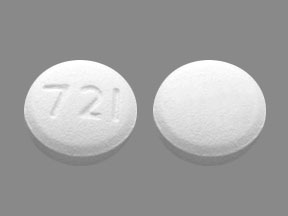
Nateglinide (Monograph)
Brand name: Starlix
Drug class: Meglitinides
- Glinides
VA class: HS502
Chemical name: (–)-N-[(trans-4-Isopropyl-cyclohexyl)carbonyl]-d-phenylalanine
Molecular formula: C19H27NO3
CAS number: 105816-04-4
Introduction
Nateglinide, a meglitinide (glinide) derivative, is a short-acting, insulinotropic antidiabetic agent.
Uses for Nateglinide
Type 2 Diabetes Mellitus
Used as an adjunct to diet and exercise for the management of type 2 diabetes mellitus.
Not for the treatment of type 1 diabetes mellitus or ketoacidosis.
Current guidelines for the treatment of type 2 diabetes mellitus generally recommend metformin as first-line therapy in addition to lifestyle modifications in patients with recent-onset type 2 diabetes mellitus or mild hyperglycemia because of its well-established safety and efficacy (i.e., beneficial effects on glycosylated hemoglobin [hemoglobin A1c; HbA1c], weight, and cardiovascular mortality).
In patients with metformin contraindications or intolerance (e.g., risk of lactic acidosis, GI intolerance) or in selected other patients, some experts suggest that initial therapy with a drug from another class of antidiabetic agents (e.g., a glucagon-like peptide-1 [GLP-1] receptor agonist, sodium-glucose cotransporter 2 [SGLT2] inhibitor, dipeptidyl peptidase-4 [DPP-4] inhibitor, sulfonylurea, thiazolidinedione, basal insulin) may be acceptable based on patient factors.
May need to initiate therapy with 2 agents (e.g., metformin plus another drug) in patients with high initial HbA1c (>7.5% or ≥1.5% above target). In such patients with metformin intolerance, some experts suggest initiation of therapy with 2 drugs from other antidiabetic drug classes with complementary mechanisms of action.
Consider early initiation of combination therapy for the treatment of type 2 diabetes mellitus to extend the time to treatment failure and more rapidly attain glycemic goals.
For patients with inadequate glycemic control on metformin monotherapy, consider patient comorbidities (e.g., atherosclerotic cardiovascular disease [ASCVD], established kidney disease, heart failure), hypoglycemia risk, impact on weight, cost, risk of adverse effects, and patient preferences when selecting additional antidiabetic agents for combination therapy. Glinides (e.g., nateglinide, repaglinide) generally not preferred as second-line therapy by some experts after failure of metformin monotherapy because of their lower effectiveness and comparatively limited clinical data; however, may be appropriate choices in selected patients.
Consider early introduction of insulin for severe hyperglycemia (e.g., blood glucose ≥300 mg/dL or HbA1c >9–10%), especially if accompanied by catabolic manifestations (e.g., weight loss, hypertriglyceridemia, ketosis) or symptoms of hyperglycemia.
Nateglinide Dosage and Administration
Administration
Oral Administration
Administer 3 times daily 1–30 minutes before meals to reduce the risk of hypoglycemia.
If a meal is skipped, the dose of nateglinide should be omitted.
Dosage
Adults
Type 2 Diabetes Mellitus
Oral
120 mg 3 times daily before meals. For patients who are near their goal glycosylated hemoglobin (HbA1c) when nateglinide therapy is initiated, 60 mg 3 times daily before meals.
Special Populations
Hepatic Impairment
No dosage adjustment necessary in patients with mild impairment. Use with caution in patients with moderate or severe impairment.
Renal Impairment
No dosage adjustment necessary.
Geriatric Patients
No dosage adjustment necessary.
Cautions for Nateglinide
Contraindications
-
Known hypersensitivity to nateglinide or any ingredient in the formulation.
Warnings/Precautions
Hypoglycemia
Potential for hypoglycemia. Malnourished or geriatric patients and patients with adrenal or pituitary insufficiency may be particularly susceptible. Strenuous exercise, alcohol ingestion, insufficient caloric intake acutely or chronically, or use in combination with other antidiabetic agents may increase risk. Hypoglycemia may be difficult to recognize in patients with autonomic neuropathy or in those receiving β-adrenergic blocking agents.
Specific Populations
Pregnancy
Category C.
Lactation
Distributed into milk in rats; discontinue nursing or the drug.
Pediatric Use
Safety and efficacy not established.
Geriatric Use
No substantial differences in safety, efficacy, or pharmacokinetics relative to younger adults, but increased sensitivity cannot be ruled out.
Hepatic Impairment
Use with caution in patients with moderate to severe hepatic impairment.
Common Adverse Effects
Upper respiratory tract infection, back pain, flu symptoms, dizziness, arthropathy, diarrhea, accidental trauma, bronchitis, cough, hypoglycemia.
Drug Interactions
Extensively metabolized by CYP2C9 and, to a lesser extent, CYP3A4. Based on in vitro data, the drug is a potential inhibitor of CYP2C9 in vivo. (See Specific Drugs under Interactions.)
Drugs Affecting Hepatic Microsomal Enzymes
Potential pharmacokinetic interaction (altered metabolism of nateglinide) when administered concomitantly with inhibitors or inducers of CYP2C9 or CYP3A4.
Drugs That May Increase Hypoglycemic Effects
Pharmacodynamic interaction with such drugs as MAO inhibitors, nonselective β-adrenergic-blocking agents, and NSAIAs (e.g., salicylates). Observe patient closely for altered glycemic control when these drugs are initiated or withdrawn in patients receiving nateglinide.
Drugs That May Antagonize Hypoglycemic Effects
Pharmacodynamic interaction with such drugs as corticosteroids, sympathomimetic agents, thiazide diuretics, and thyroid hormones. Observe patient closely for altered glycemic control when these drugs are initiated or withdrawn in patients receiving nateglinide.
Protein-bound Drugs
Potential pharmacokinetic interaction, but no important effects on nateglinide protein binding observed in vitro with highly protein-bound drugs such as furosemide, propranolol, captopril, nicardipine, pravastatin, glyburide, warfarin, phenytoin, aspirin, tolbutamide, and metformin. In addition, nateglinide had no influence in vitro on protein binding of propranolol, glyburide, nicardipine, warfarin, phenytoin, aspirin, or tolbutamide.
Specific Drugs
|
Drug |
Interaction |
|---|---|
|
Diclofenac |
No clinically important pharmacokinetic interaction observed with single dose of diclofenac |
|
Digoxin |
No clinically important pharmacokinetic interaction observed with single dose of digoxin |
|
Glyburide |
No clinically important pharmacokinetic interaction observed with single dose of glyburide |
|
Metformin |
No clinically important pharmacokinetic interaction observed |
|
Tolbutamide |
In vitro inhibition of tolbutamide metabolism |
|
Warfarin |
No clinically important pharmacokinetic interaction observed with single dose of warfarin |
Nateglinide Pharmacokinetics
Absorption
Bioavailability
Approximately 73% (absolute), indicating a modest first-pass effect.
Onset
Stimulates pancreatic insulin secretion within 20 minutes following oral administration.
Duration
Peak insulin concentrations occur approximately 1 hour after dose and return to baseline by 4 hours.
Food
When administered with or after meals, food delays absorption, as evidenced by a decrease in peak plasma concentration and prolongation of the time to peak plasma concentration; however, extent of absorption is not affected. When nateglinide is administered 10 minutes prior to a liquid meal, peak plasma drug concentrations are reduced appreciably. Pharmacokinetics are not affected by the composition of a meal (e.g., high protein, fat, carbohydrate).
Distribution
Extent
Distributed into milk in animals; not known whether the drug distributes into milk or crosses the placenta in humans.
Plasma Protein Binding
98%.
Elimination
Metabolism
Predominantly metabolized by CYP2C9 (70%) and CYP3A4 (30%). The major metabolites are less potent than the parent drug. The isoprene minor metabolite is as potent as the parent compound.
Elimination Route
In urine, principally as unchanged drug and metabolites.
Half-life
Approximately 1.5 hours.
Special Populations
Mild hepatic insufficiency increases the peak and total exposure of nateglinide by 30%.
Stability
Storage
Oral
Tablets
Tight containers at 25°C; may be exposed to 15–30°C.
Actions
-
Insulinotropic antidiabetic agent (a d-phenylalanine derivative).
-
Requires functioning pancreatic β-cells for hypoglycemic activity. Lowers blood glucose concentrations principally by augmenting endogenous insulin secretion from the pancreas in response to a meal.
Advice to Patients
-
Importance of patient managing hypoglycemia and hyperglycemia appropriately.
-
Importance of patient taking medication 1–30 minutes before each meal and of skipping scheduled dose of nateglinide if a meal is skipped.
-
Importance of patient adhering to diet and exercise regimen.
-
Importance of regular monitoring of blood glucose (preferably self-monitoring) and glycosylated hemoglobin (HbA1c).
-
Importance of women informing clinicians if they are or plan to become pregnant or plan to breast-feed.
-
Importance of patient informing clinicians of existing or contemplated concomitant therapy, including prescription and OTC drugs.
-
Importance of informing patients of other important precautionary information. (See Cautions.)
Preparations
Excipients in commercially available drug preparations may have clinically important effects in some individuals; consult specific product labeling for details.
Please refer to the ASHP Drug Shortages Resource Center for information on shortages of one or more of these preparations.
* available from one or more manufacturer, distributor, and/or repackager by generic (nonproprietary) name
|
Routes |
Dosage Forms |
Strengths |
Brand Names |
Manufacturer |
|---|---|---|---|---|
|
Oral |
Tablets |
60 mg* |
Nateglinide Tablets |
|
|
120 mg* |
Nateglinide Tablets |
AHFS DI Essentials™. © Copyright 2024, Selected Revisions June 21, 2021. American Society of Health-System Pharmacists, Inc., 4500 East-West Highway, Suite 900, Bethesda, Maryland 20814.
Reload page with references included
More about nateglinide
- Check interactions
- Compare alternatives
- Pricing & coupons
- Reviews (4)
- Drug images
- Side effects
- Dosage information
- During pregnancy
- Drug class: meglitinides
- Breastfeeding
- En español